 Ferndale Siding
 Why Color Is a Bigger Decision With Fiber Cement Than You Think
Most homeowners treat siding color like a paint chip decision — pick something you like, move on. With James Hardie fiber cement, the color choice is tied to how the product is manufactured, how long it lasts before it needs attention, and how it performs against Ferndale's weather. Get it right and you're looking at decades of consistent color with almost no maintenance. Get it wrong — or cut corners on the finish system — and you end up with a house that needs repainting years sooner than it should.
This guide walks through how Hardie's color system actually works, what holds up best in a Whatcom County coastal climate, and what to think about before you commit.
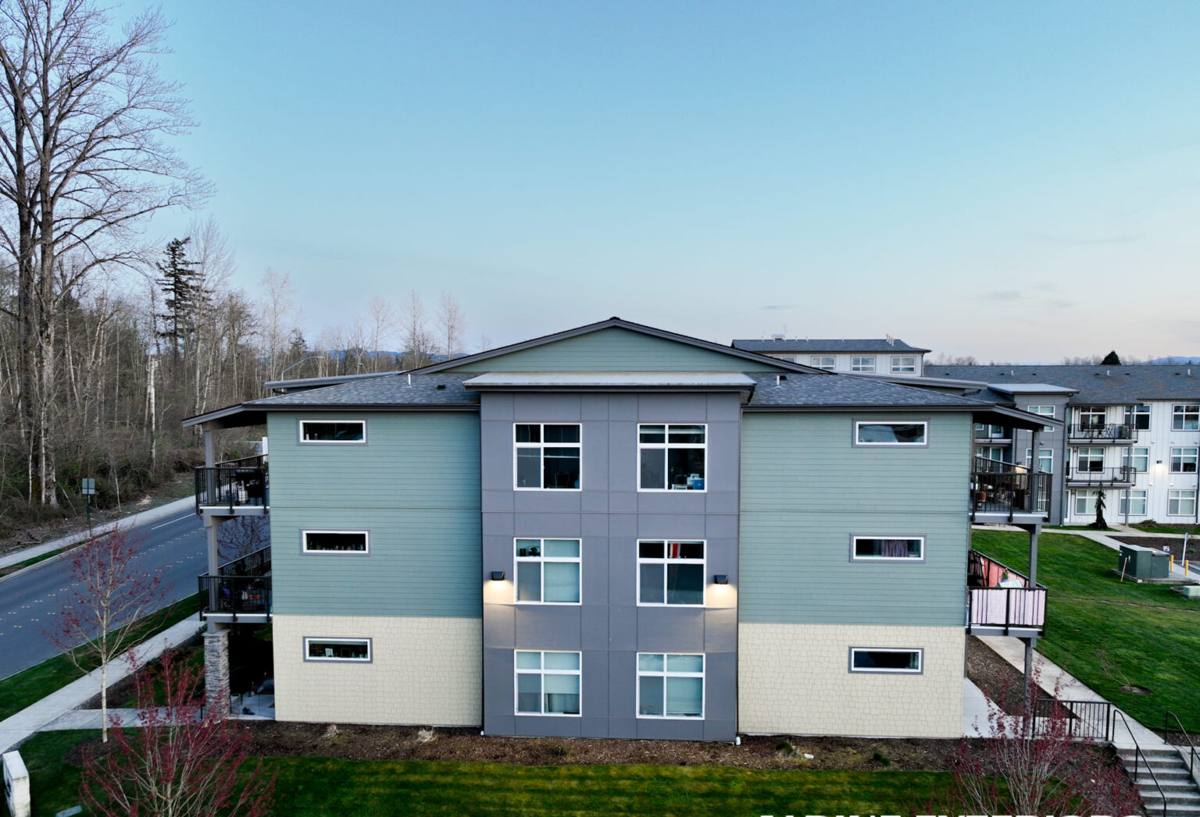
ColorPlus Technology: What "Factory-Finished" Actually Means
James Hardie siding comes in two basic finish options: primed panels that a contractor paints on site, and ColorPlus panels that arrive with the color already baked on at the factory. The difference isn't cosmetic — it's how the finish is applied and cured.
ColorPlus finish is sprayed on in multiple coats and cured under controlled conditions before the boards ever leave the plant. That process produces a more uniform, more durable bond between the finish and the fiber cement than a field-applied coat of paint can achieve, no matter how skilled the painter. The result is a finish that resists fading, chipping, and cracking significantly longer than standard exterior paint on wood or primed siding.
Field-painted primed siding isn't a bad product — it just shifts the maintenance clock. You're painting it within a few years of install, and repainting on the same schedule you'd use for any painted exterior. ColorPlus panels are engineered to go a couple of decades before that conversation comes up again.
Touch-Up Paint and Site Work
Even with ColorPlus, some site work happens — cut edges get sealed with touch-up product matched to the panel color, and any field-fabricated trim pieces get finished to match. A contractor who skips this step is leaving raw, unsealed edges exposed to Ferndale's rain, which is exactly where moisture problems start.
The Color Palette: What's Actually Available
Hardie's ColorPlus lineup runs from crisp whites and warm neutrals through deep charcoals, muted blues, and greens — colors developed to work with a range of architectural styles rather than trend-chase. Long-standing options in the lineup include whites like Arctic White, warm neutrals, deep grays like Iron Gray and Night Gray, and blues and greens such as Boothbay Blue and Evening Blue, alongside earthier tones like Timber Bark. Availability varies by product line and region, so the exact palette your contractor can order should always be confirmed against current samples rather than assumed.
Trim, fascia, and soffit typically come in a smaller, coordinated set of colors meant to pair cleanly with the field color — white and a couple of neutral options cover most homes. If you want a trim color outside that set, it usually means field-painting the trim, which reintroduces the maintenance cycle for that piece even if the main siding stays factory-finished.
Matching HZ5 Engineering to Ferndale's Climate
James Hardie doesn't make one universal product — panels are engineered in different formulations for different climate zones, labeled HZ5 and HZ10. Western Washington, including Ferndale and the rest of Whatcom County, sits in a wetter, cooler climate zone, and the HZ5 formulation is built for exactly that: freeze-thaw cycles, sustained damp weather, and the moisture load that comes with a marine climate.
This matters for color performance too. A panel engineered for the wrong climate zone can behave differently under the same finish — moisture that gets into the substrate over time affects how well any finish, ColorPlus included, holds up. Installing the climate-correct product is the foundation the color system sits on top of.
Color, Salt Air, and Moss: What Holds Up on the Whatcom County Coast
Ferndale's proximity to the Salish Sea means salt-laden air is part of the equation, on top of the driving rain and long moss season that every Whatcom County home deals with. None of this is unique to siding color, but color choice interacts with it in a few practical ways.
- Darker colors show water spotting and mineral deposits from rain runoff more visibly than mid-tone or lighter colors, especially on north-facing walls that stay damp longer.
- Very light colors show moss and algae growth in shaded, moisture-prone areas more readily than mid-tones, simply because the contrast is higher.
- Mid-tone grays, blues, and greens tend to mask the gradual, normal streaking that any exterior surface picks up in a wet climate, which is part of why they're common choices in this region.
None of this means a homeowner can't choose a bold dark color or a bright white — plenty of Ferndale homes wear both well. It just means the color decision should account for the house's orientation, roof overhangs, and how much shade and moisture a given wall sees, not just what looks good on a sample chip.
Cost Factors When Choosing Colors and Trim
Color itself doesn't usually change the base price of the siding material much, but the finish system and trim choices do affect the overall project cost and long-term maintenance budget. Here's how the main factors break down:
| Factor | Cost Impact | Long-Term Maintenance Impact |
|---|---|---|
| ColorPlus vs. primed/field-painted | Modest upfront premium for ColorPlus | ColorPlus needs repainting far less often, usually offsetting the premium over time |
| Standard palette color vs. custom-matched color | Custom colors may add cost or lead time | Same durability as standard colors if factory-applied |
| Trim color matching the field color set | No added cost | Stays factory-finished, low maintenance |
| Trim color outside the coordinated set | Requires field painting | Trim goes on a standard repaint cycle even if siding doesn't |
| Dark, high-contrast colors | No inherent cost difference | May show water spotting or fading at a slightly different rate than mid-tones |
Matching Color to Your Home's Style and Neighborhood
Ferndale has everything from older farmhouses and craftsman-style homes to newer construction, and color choice often follows the architecture. Traditional homes tend to read well in warm whites, muted greens, and classic neutrals; more contemporary builds lean toward charcoals, deep blues, and higher-contrast trim combinations. Neither is right or wrong — it's about what fits the house and the street.
If your property is in an HOA or falls under any local design guidelines, it's worth checking those requirements before finalizing a color, since some communities restrict color ranges or require approval before exterior changes. A contractor familiar with the area can usually tell you quickly whether that applies to your neighborhood.
A Practical Checklist for Choosing Your Hardie Color
- Get physical ColorPlus samples, not just a printed chart — color reads differently under Pacific Northwest overcast light than it does on a screen or in bright sun.
- View samples on-site, against your actual roof, stonework, and landscaping, at different times of day.
- Confirm the HZ5 product line is what's being quoted for your climate zone.
- Ask which trim colors are part of the coordinated factory set versus which would require field painting.
- Check whether your HOA or neighborhood has color restrictions before finalizing.
- Consider wall orientation — north-facing and heavily shaded walls are where moss and streaking show up first, regardless of color.
- Ask your contractor how cut edges and trim will be sealed and touched up to match.
- Get the warranty terms in writing before signing anything.
The ColorPlus Warranty
James Hardie backs ColorPlus Technology with a finish warranty separate from the product warranty on the fiber cement itself — a long-term, transferable warranty covering the factory finish against fading and peeling when the system is installed correctly. That installation qualifier matters: warranty coverage depends on the product being installed to Hardie's specifications, which is part of why the contractor doing the work matters as much as the product itself. A factory finish installed with poor flashing, wrong fastening, or unsealed cuts isn't getting the performance the finish was engineered for, warranty or not.
Getting This Right the First Time
Color is one of the more enjoyable parts of a siding project, but it's worth treating as an engineering decision, not just an aesthetic one — the right climate-rated product, correctly installed, is what lets a ColorPlus finish actually deliver the decades of low-maintenance performance it's built for in a place like Ferndale.
If you're weighing colors or just want to see samples against your own home, we're happy to put together a free, no-pressure estimate and walk through the options in person.