 Ferndale Siding
 Why Shingle Roofs Take a Beating in the Fairhaven Area
Homes in the Fairhaven area near Ferndale sit in a stretch of Whatcom County where the roof rarely gets a break. Marine air carries salt and moisture inland, wind-driven rain comes at the roof sideways instead of straight down during fall and winter storms, and the shaded, damp stretches of the year give moss and algae months to get established before anyone notices. None of this is unusual for western Washington, but it does mean a roof that would be fine in a drier inland climate can fail early here if it wasn't built for these conditions in the first place.
Asphalt shingle roofing is still the right call for most homes in this area — it's durable, cost-effective, and easy to repair in sections. The difference between a roof that lasts and one that needs attention in year eight almost always comes down to the details: ventilation, underlayment, flashing, and the specific shingle product used, not just "shingles on a roof."
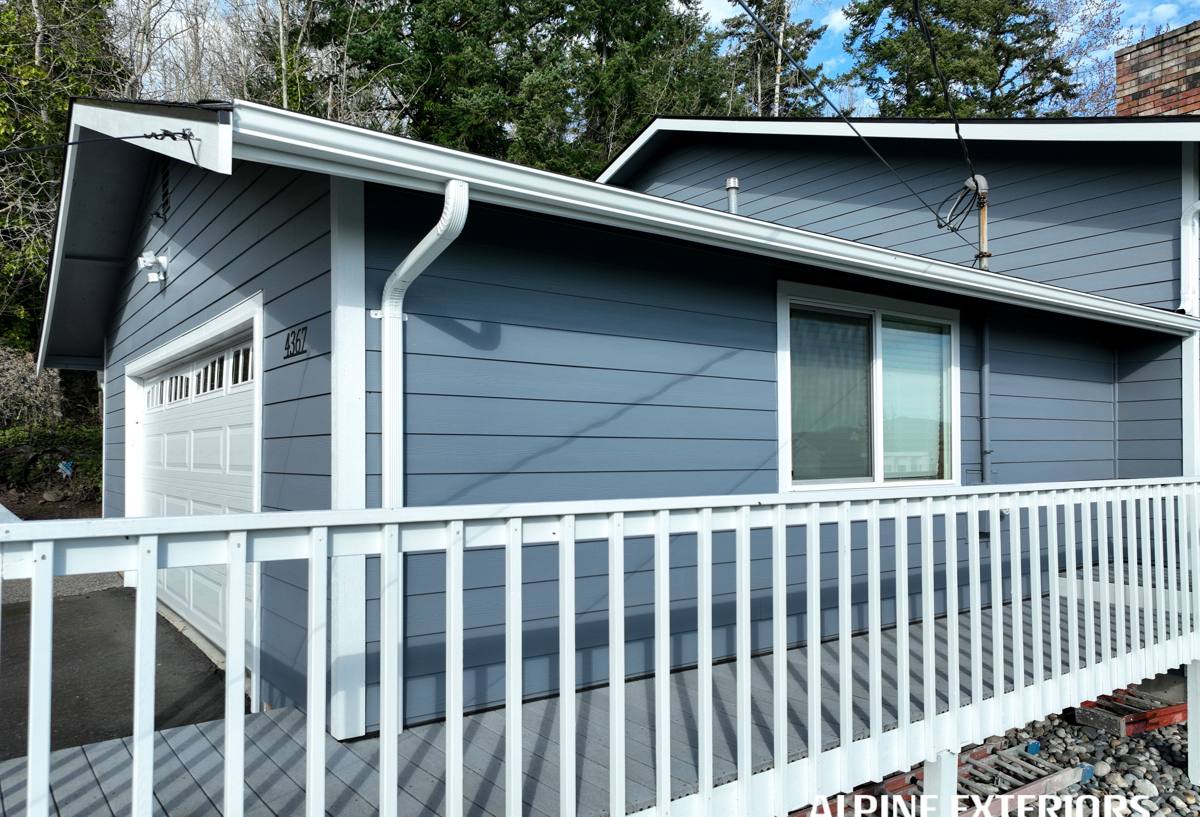
What This Climate Actually Demands From a Shingle Roof
Moisture Management, Not Just Waterproofing
A shingle roof isn't a single waterproof membrane — it's a system of overlapping layers designed to shed water while still letting the attic breathe. In a climate with this much sustained damp weather, poor attic ventilation traps moisture underneath the decking, which softens plywood, curls shingles from below, and feeds the exact moss and algae growth homeowners are trying to avoid on top. Any roof we put on gets balanced intake and exhaust ventilation, not just a ridge vent slapped on without enough soffit intake to match it.
Wind-Driven Rain at the Details
Straight-down rain is easy for any roof to handle. The failures we see are almost always at the transitions — where a roof meets a wall, where a chimney or vent pipe penetrates the deck, at valleys, and along eaves. Driving rain off the water pushes moisture sideways and upward under shingle tabs and around flashing that wasn't sealed correctly the first time. This is where an install lives or dies over a 20-30 year lifespan.
A Long Moss and Algae Season
Shaded roof planes, north-facing slopes, and anything under overhanging trees stay damp for extended stretches most of the year here. Moss doesn't just look bad — its root structure lifts shingle edges and holds water against the roof surface, which shortens the life of the roof underneath it. Algae staining is mostly cosmetic but signals the same underlying moisture pattern.
What a Correct Installation Actually Involves
A shingle roof is only as good as the layers underneath it. Here's what we consider non-negotiable on any tear-off and reroof in this area:
Deck Inspection and Repair
Once the old shingles come off, we inspect the decking for soft spots, delamination, or rot — common wherever a roof has been leaking slowly for years without an obvious interior sign. Any compromised sheathing gets replaced before anything else goes down. Installing new shingles over bad decking just hides the problem for a while.
Ice and Water Shield at Vulnerable Points
Self-adhering waterproof membrane goes down at eaves, valleys, and around penetrations — the areas most exposed to wind-driven rain and ice damming during cold snaps. This is a backup layer that keeps water out even if wind gets under a shingle tab.
Synthetic Underlayment
We use synthetic underlayment over the full deck rather than traditional felt. It holds up better to the repeated wet-dry cycles typical of this climate, resists tearing during installation, and doesn't absorb water the way older felt products can if a roof sits open during a weather delay.
Flashing Done Right
Step flashing at walls, counter-flashing at chimneys, and properly lapped valley flashing matter more than the shingle brand on top of them. Reused or improperly lapped flashing is one of the most common causes of a "mystery leak" on an otherwise decent-looking roof.
Proper Ventilation Balance
Intake at the soffits and exhaust at the ridge, sized to match each other, keeps the attic dry and the shingles at a more even temperature — which matters for how long the granules and adhesive strips hold up over time.
Choosing the Right Shingle for This Climate
Not every asphalt shingle product performs the same in a wet, salt-air environment. We steer most Fairhaven-area homeowners toward algae-resistant, higher-wind-rated architectural shingles rather than basic 3-tab product, and here's the honest breakdown of why:
| Shingle Type | Typical Lifespan Here | Wind Resistance | Moss/Algae Resistance | Best Fit |
|---|---|---|---|---|
| Standard 3-tab | Shorter end of the range | Lower wind rating | Standard granules only | Budget-driven projects, secondary structures |
| Architectural (laminate) | Longer, more consistent | Higher wind rating | Often available with algae-resistant granules | Most primary homes in this climate |
| Impact-rated architectural | Comparable to standard architectural | Highest wind rating available in asphalt | Usually algae-resistant as standard | Exposed sites, storm-prone lots |
Algae-resistant shingles use copper- or zinc-infused granules that slow the growth that causes those dark streaks. It doesn't eliminate the need for maintenance, but it buys years before staining becomes visible, which matters in a climate where algae has a long growing window.
Moss: Prevention Beats Removal
Moss removal after the fact is a maintenance task, not a roofing fix — and aggressive scraping or pressure washing can do more damage to shingle granules than the moss itself. The better approach is addressing the conditions that let it take hold in the first place:
- Trim back branches that shade roof planes and keep them from drying out between rain events
- Keep gutters and valleys clear so water isn't sitting against the shingle edge
- Consider zinc or copper strips near the ridge on shaded slopes, which release trace metals that inhibit growth as rain washes over them
- Choose algae-resistant shingles on any section that stays damp longest
- Have the roof looked at each fall before the wet season settles in, not after moss is already established
Our Process for a Fairhaven-Area Reroof
Inspection and Honest Assessment
We start by getting on the roof, not just looking at it from the ground. That means checking the decking condition where accessible, current flashing, ventilation setup, and how much of the existing roof's problems are age versus a fixable defect. Sometimes a roof genuinely doesn't need full replacement yet — we'll tell you that.
A Clear, Written Quote
You get a quote that spells out the shingle product, underlayment, flashing approach, and ventilation plan — not just a single lump-sum number. That way you know exactly what you're paying for and can compare it against any other bid on an apples-to-apples basis.
Installation Day
Tear-off, deck inspection and repair, underlayment and ice-and-water shield, flashing, shingle installation, and ridge venting — done in sequence with the property protected and debris managed as we go, not left in a pile until the end.
Cleanup and Walkthrough
Magnetic sweep for nails, full site cleanup, and a walkthrough so you understand what was done and what the warranty covers going forward.
Signs Your Fairhaven-Area Roof Needs a Closer Look
- Granules collecting in gutters or at downspout outlets
- Shingle edges curling or lifting, especially on shaded slopes
- Dark streaking or visible moss patches, particularly on north-facing sections
- Soft spots when walking the roof, or sagging visible from the ground
- Daylight visible through the roof deck from inside the attic
- Water stains on interior ceilings after heavy wind-driven rain
- A roof original to the home and approaching or past its expected lifespan
Why Local Experience With This Climate Matters
A shingle roofing job done to a generic national spec sheet often underperforms here — not because the shingles are bad, but because ventilation, flashing details, and moss-prevention choices need to be tuned for salt air and a long wet season instead of a drier, more moderate climate. A crew that regularly works roofs in and around Ferndale and the Fairhaven area already knows which slopes hold moisture longest, which flashing details fail first in coastal wind, and which shingle lines actually hold up to repeated wet-dry cycles rather than just looking good on a sample board. That local pattern recognition is worth more than a brand name on the shingle wrapper.
Get a Straightforward Look at Your Roof
If your roof is showing moss, granule loss, or you're just not sure how much life is left in it, we'll come take an honest look. The estimate is free, there's no pressure to sign anything on the spot, and you'll get a clear breakdown of what we'd actually do and why — use the form below to get started.