 Ferndale Siding
 Building a Deck That Actually Holds Up in Nooksack
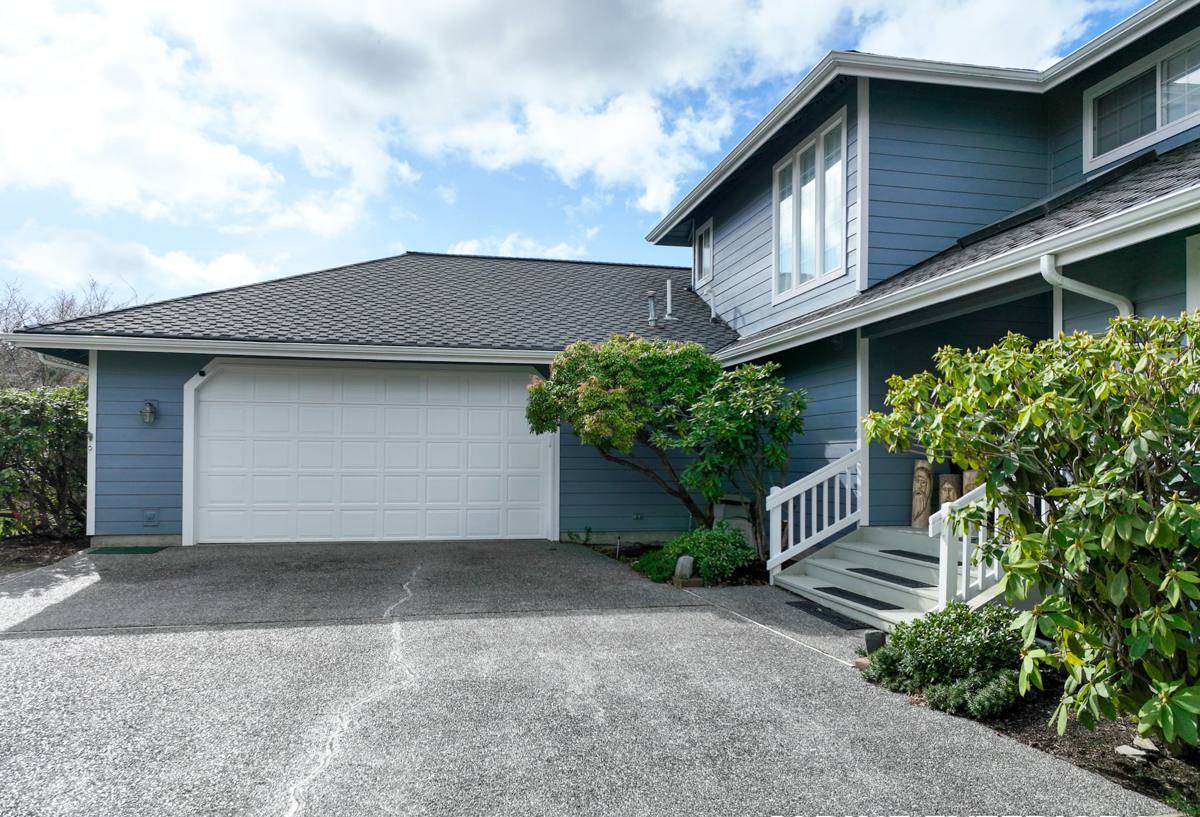
Homes around Nooksack sit in a part of Whatcom County where the weather doesn't do a deck any favors. You get a marine-influenced climate that pushes moisture into everything, long stretches of steady rain through fall and winter, and just enough salt-laden air moving in off the Sound and Strait to accelerate corrosion on anything metal. Add a shady, damp shoulder season and you've got ideal conditions for moss and algae to take hold on any horizontal wood surface. A deck built the way it might be built in a drier climate simply doesn't age well out here.
We build custom decks specifically with this environment in mind — not as an afterthought, but as the starting point for every material choice, fastener spec, and structural detail. This page walks through what that actually means for a deck project in the Nooksack area, so you know what to ask for and what to expect.
What This Climate Does to a Deck Over Time
Most deck failures we get called out to inspect aren't dramatic — they're slow. Understanding the failure modes specific to this region helps explain why certain details matter more here than they would somewhere drier.
Moisture Intrusion at the Ledger and Framing
The ledger board — where the deck attaches to the house — is the single most common point of hidden rot on any deck in a wet climate. Driving rain gets pushed sideways by wind, finds any gap in flashing or fastening, and works its way behind the ledger and into the house rim joist. By the time it shows on the surface, the framing underneath has often been wet for years.
Fastener and Hardware Corrosion
Salt air doesn't have to come from directly on the water to matter — it travels inland on wind and settles on any exposed metal. Standard galvanized fasteners and joist hangers can start showing surface rust well before a deck's wood components would otherwise need attention. Once a fastener weakens, it's a structural issue, not a cosmetic one.
Moss, Algae, and Surface Decay
Shaded decks, north-facing decks, and decks near trees hold moisture longer between rain events, which is exactly what moss and algae need to establish. Beyond looking bad, a mossy deck surface gets slick and dangerous, and moss roots hold water against the wood or decking surface longer than bare wood would on its own.
Choosing the Right Decking Material for This Property
There's no single "best" decking material for every home — it depends on how much upkeep you want to do, your budget, and how the deck sits relative to sun, shade, and drainage. Here's how the common options actually compare once you factor in our regional conditions.
| Material | Moisture Behavior | Moss/Algae Resistance | Maintenance | Typical Lifespan |
|---|---|---|---|---|
| Pressure-treated wood | Absorbs and releases moisture; needs sealing | Low without treatment | Annual cleaning, periodic sealing/staining | 15-20 years with upkeep |
| Cedar | Naturally moisture-resistant, still needs finish | Moderate; still grows moss if untreated | Sealing every 1-2 years | 20-25 years with upkeep |
| Capped composite | Does not absorb water into the core | Higher resistance; still needs occasional cleaning | Periodic washing, no sealing | 25-30+ years |
| PVC decking | Fully moisture-resistant core | Highest resistance of the common options | Occasional washing | 25-30+ years |
We install all of the above depending on what the homeowner wants, and we're upfront about the trade-offs. Real wood costs less upfront and looks the way a lot of people picture a deck looking, but it asks for a real maintenance commitment in a climate this wet — skip a couple years of sealing and you'll see it. Composite and PVC cost more initially but take the moss-and-moisture problem largely off your plate, which is worth a lot on a shaded lot or anywhere that stays damp longer between dry spells.
The Structural Details That Actually Matter Here
A deck is only as good as what you can't see once it's finished. These are the details we treat as non-negotiable on every custom deck we build in this area.
Ledger Flashing
Proper flashing — installed so water is directed out and away from the house rather than trapped behind the ledger — is the single best defense against the hidden rot described above. We don't cut corners here regardless of budget, because it's the one detail that's genuinely difficult to fix after the siding and decking are closed up.
Joist Protection Tape
Running a self-adhering flashing tape over the tops of joists and beams before decking goes down keeps water from sitting in fastener holes and wicking into the wood grain. It's a small material cost that meaningfully extends the life of the framing underneath.
Fastener and Hardware Grade
We spec stainless steel or otherwise coated fasteners and hangers rated for the exposure the deck will actually see, rather than defaulting to whatever is cheapest. On a deck getting regular salt-laden air and near-constant seasonal dampness, this is where corner-cutting shows up first as rust streaks and eventually as a structural problem.
Footings Below Frost Depth
Footings need to extend below the local frost line — commonly in the range of 12 to 18 inches in this part of Washington, though your specific site conditions and the governing building code determine the exact requirement. Shallow or undersized footings can shift over time as the ground freezes and thaws, which eventually shows up as a deck that feels loose or uneven.
Board Spacing and Drainage
Proper gapping between deck boards, plus a substructure that lets water drain and air move underneath, keeps the deck drying out between rain events instead of staying damp. In a climate with this much rainfall, a deck that can't dry out is a deck that's already working against itself.
Permits and Code Basics for a Whatcom County Deck
Most custom decks above a certain height or attached to the home require a building permit, with inspections at the footing and framing stages before decking goes down. Requirements that typically come up include:
- Guardrails required once the deck surface is a certain height above grade, with a minimum height and baluster spacing set by code
- Stair rise and run limits, and handrail requirements on stairs with more than a few steps
- Footing size and depth tied to soil conditions and frost depth
- Proper attachment method at the ledger, since freestanding vs. house-attached decks are treated differently
- Setback distances from property lines, which vary by lot and jurisdiction
We handle the permit process as part of the job — pulling the permit, scheduling inspections, and building to what the inspector will actually sign off on. That's not a detail worth skipping to save a little time, since an unpermitted deck can become a real problem at resale.
How We Approach a Nooksack-Area Deck Project
Every custom deck starts with a site visit, not a phone estimate. We want to see the slope of the yard, how water currently moves across the site, how much sun or shade the deck will actually get through the seasons, and the condition of the house wall where the ledger will attach.
- Site assessment — grading, drainage, sun exposure, and the condition of existing structure at the attachment point
- Design and material selection — sized and laid out for how you'll actually use the space, with a material recommendation based on maintenance appetite and budget
- Permit submission — drawings and structural details submitted to the local building department
- Framing and flashing — footings, ledger flashing, joist protection, and framing, inspected before decking goes on
- Decking, railing, and finish work — final surface, railings, stairs, and any lighting or built-ins
- Walkthrough — going over the finished deck and what maintenance it needs going forward
Keeping a Custom Deck Looking Right Year-Round
Whatever material you choose, a little regular upkeep goes a long way in this climate. Homeowners who stay ahead of these basics get the most life out of their deck:
- Sweep debris off the deck surface regularly, especially in fall when leaves and needles trap moisture against the boards
- Treat visible moss or algae promptly rather than letting it spread — it's much easier to manage early
- Check that gaps between boards stay clear so water can drain instead of pooling
- Inspect visible fasteners and hardware once a year for rust or looseness
- Reseal or restain wood decking on the schedule the product actually needs, not just when it looks dry
- Confirm the area under the deck stays ventilated and isn't collecting standing water
Why It Matters Hiring a Crew That Already Works in This Area
A deck built to a generic national spec can look fine on day one and still struggle here within a few years, because the failure points that matter in this climate — ledger flashing, fastener corrosion, moss-prone shaded areas, frost-depth footings — aren't universal concerns everywhere. A crew that regularly works around Ferndale and greater Whatcom County has already seen how local soil, drainage, and weather patterns affect a deck over time, and builds accordingly from the first footing rather than learning the hard way on your project.
We also already know the local permitting process and what inspectors here are looking for, which keeps the project moving instead of stalling on paperwork or a failed inspection.
Get a Straightforward Estimate
If you're planning a custom deck for a Nooksack-area home, we're happy to come take a look, walk the site with you, and talk through material options honestly — including the maintenance and cost trade-offs, not just the upsides. Use the form below to request a free, no-pressure estimate.