 Ferndale Siding
 Building a Deck That Can Actually Take Cordata's Weather
A deck in Cordata lives a harder life than the sales brochure suggests. Between the salt-tinged air drifting in off the Salish Sea, the driving rain that Whatcom County sees for months at a stretch, and a moss season that seems to start earlier every year, a poorly built deck can start showing real problems within just a few seasons. Cupped boards, soft spots near the house, green film on the walking surface, corroded hardware around fasteners — these aren't random bad luck. They're what happens when a deck is built to a generic spec instead of to the conditions it actually has to survive.
We build decks for homes in and around Ferndale and the greater Cordata area, and the difference between a deck that lasts and one that doesn't almost always comes down to decisions made before the first board goes down: material selection, drainage planning, fastener choice, and how the framing is protected from moisture. That's where we put our attention.
What Cordata's Site Conditions Mean for Your Deck
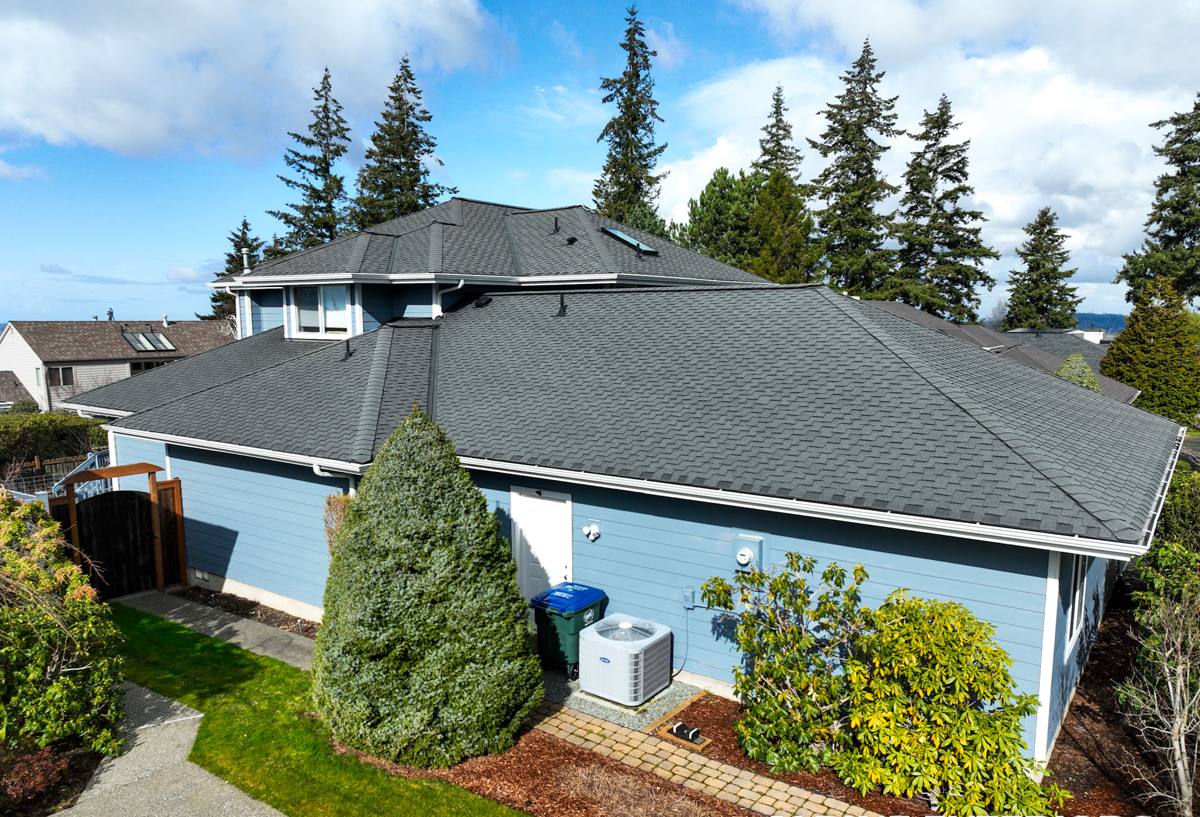
Cordata has more tree cover and mature landscaping than a lot of newer subdivisions, which is part of what makes it a pleasant place to live — but shade and greenery also mean a deck surface that doesn't dry out as fast after a storm. Combine that with salt-laden air moving through the region and you get conditions that are genuinely tougher on exterior wood and metal than what you'd find further inland.
Moisture That Doesn't Leave
A deck under partial tree cover can stay damp for days after a rain event, especially on the north or east side of a house where sun exposure is limited. That prolonged dampness is exactly what moss, algae, and wood rot need to get established.
Slope and Drainage
Many lots in this part of Whatcom County have some grade to them. If a deck's footings, ledger connection, and surrounding grading aren't planned around how water actually moves across the site, you end up with water pooling against the house foundation or sheeting under the deck instead of draining away from it.
Picking a Decking Material That Won't Fight the Climate
There's no single "best" decking material — there's a best material for your budget, your maintenance appetite, and how much shade and moisture the deck will see. Here's how the common options actually perform in a Cordata-type setting:
| Material | How It Handles Rain & Shade | Maintenance | Relative Cost |
|---|---|---|---|
| Pressure-treated lumber | Holds up fine if sealed and kept ventilated underneath; prone to moss if left unfinished in shaded spots | Needs cleaning and re-sealing every 1–2 years | Lowest upfront |
| Cedar | Naturally rot-resistant, but the driving rain and moss exposure here still call for a quality finish | Annual cleaning, periodic re-staining | Moderate |
| Capped composite | Excellent — the cap resists moisture absorption and won't rot in shaded, damp spots | Occasional washing, no sealing or staining | Higher upfront, typically 1.5–3x lumber |
| PVC decking | Fully moisture-proof; performs well in shade and doesn't feed mold or algae the way wood fiber can | Lowest — soap and water | Highest upfront |
We're honest with clients about trade-offs rather than pushing one product line. Real wood decks can absolutely be the right call for a Cordata home — they just need a maintenance routine that matches the climate, and we'll tell you exactly what that looks like before you commit to it. Composite and PVC cost more up front but shift that cost away from ongoing upkeep, which matters if the deck sits somewhere shaded and you don't want to be out there scrubbing moss every spring.
The Substructure Is Where Decks Actually Fail
Almost every deck failure we get called out to inspect traces back to the framing and connections, not the surface boards. The decking is what you see; the substructure is what actually holds the deck together and keeps water out of your house.
Ledger Board Flashing
Where the deck attaches to the house is the single most common source of hidden rot. Without proper flashing and a water-resistant barrier behind the ledger board, rain works its way behind the board and into the house's rim joist — often invisibly, for years, before anyone notices soft framing or interior damage.
Footings and Post Bases
Footings need to be sized and set below the frost line, and posts should sit on elevated bases rather than directly in contact with wet soil or standing water. On sloped or poorly draining Cordata lots, this is not a place to cut corners.
Fasteners and Hardware
Salt-influenced air corrodes standard galvanized fasteners faster than most homeowners expect. We use stainless steel or heavy-coated, corrosion-rated hardware throughout — joist hangers, screws, and structural connectors included — because replacing a handful of fasteners now is a lot cheaper than replacing a joist later.
Airflow Underneath
A deck built low to the ground with no ventilation underneath traps moisture against the framing. We plan clearance and airflow into the design so the structure actually gets a chance to dry out between storms.
Our Deck Building Process, Start to Finish
- On-site assessment. We walk the site, check sun exposure, tree cover, drainage patterns, and how the deck will tie into the house.
- Design and material selection. We talk through layout, decking material, railing style, and any features like stairs or built-in seating, matched to your budget and how you'll use the space.
- Permitting. We handle the permit application and make sure the design meets current Whatcom County and local code requirements before any digging starts.
- Footings and framing. Footings are set to proper depth, framing is built with corrosion-rated hardware, and the ledger connection is flashed correctly.
- Decking and railing installation. Boards and railings go in per manufacturer spec, with attention to fastener spacing and drainage gaps between boards.
- Final walkthrough. We go over the finished deck with you, explain any maintenance specific to the material you chose, and answer questions before we consider the job done.
Permits and Code in Ferndale and Whatcom County
Most new decks and many significant deck rebuilds require a permit, and inspections typically cover footing depth, structural connections, and guardrail and stair requirements once the deck is a certain height off the ground. Requirements can shift based on your specific lot, so we pull and manage the permit as part of the job rather than leaving that step to guesswork. Skipping permitting on a deck build isn't just a compliance issue — it can also complicate things later if you ever sell the home or need insurance to cover storm or structural damage.
Keeping a Cordata Deck Moss-Free and Sound Year After Year
Even a well-built deck needs some seasonal attention in this climate. A short maintenance routine goes a long way toward avoiding the slippery, green surfaces that shaded Whatcom County decks are prone to:
- Sweep debris and fallen leaves off the deck regularly, especially in fall — trapped organic matter holds moisture and feeds moss growth.
- Clean the surface at least once a year with a deck-safe cleaner to remove algae and moss before it gets a foothold.
- Check and clear any gaps between boards so water can drain through instead of pooling on the surface.
- Inspect the ledger board area and fasteners annually for any signs of staining, softness, or corrosion.
- Re-seal or re-stain wood decking on the schedule appropriate to the product — don't wait until the finish has visibly failed.
- Confirm underneath the deck stays ventilated and isn't blocked by stored items or overgrown landscaping.
Why Local Experience in Cordata Matters
A contractor who builds decks all over the map has to relearn local conditions on every job. A crew that regularly works in and around Ferndale and the Cordata area already knows how shade patterns, salt air, and heavy rain seasons behave here, and builds around that from the first design conversation instead of discovering the hard way after a callback. That familiarity shows up in smaller decisions — where to add extra flashing, which fastener grade to spec, how much airflow a shaded deck actually needs — that don't show up on a basic material list but make a real difference in how long the deck lasts.
If you're planning a new deck or need to replace one that's showing its age, we're happy to take a look and give you a straightforward, no-pressure estimate. Use the form below to get started.