 Ferndale Siding
 Why Window Performance Is Different in Cordata
Homes in the Cordata area sit close enough to Bellingham Bay and the open water of Whatcom County that salt-laden air is a real factor in how exterior materials age. Add in the driving rain that comes through on winter storm systems and the long stretch of overcast, damp weather each year that keeps moss and mildew active on north-facing surfaces, and you have a climate that is genuinely harder on windows than most manufacturers' marketing photos suggest. A window that performs well in a dry inland climate can fail early here if it wasn't built, or installed, with this specific combination of moisture and salt exposure in mind.
Energy efficiency in this context isn't just about lower heating bills, though that matters. It's about keeping wind-driven rain out of the wall cavity, keeping condensation off the glass and frame, and keeping hardware and seals from corroding or breaking down years before they should. A window that's efficient but poorly sealed against driving rain will still cause rot damage. The two problems have to be solved together.
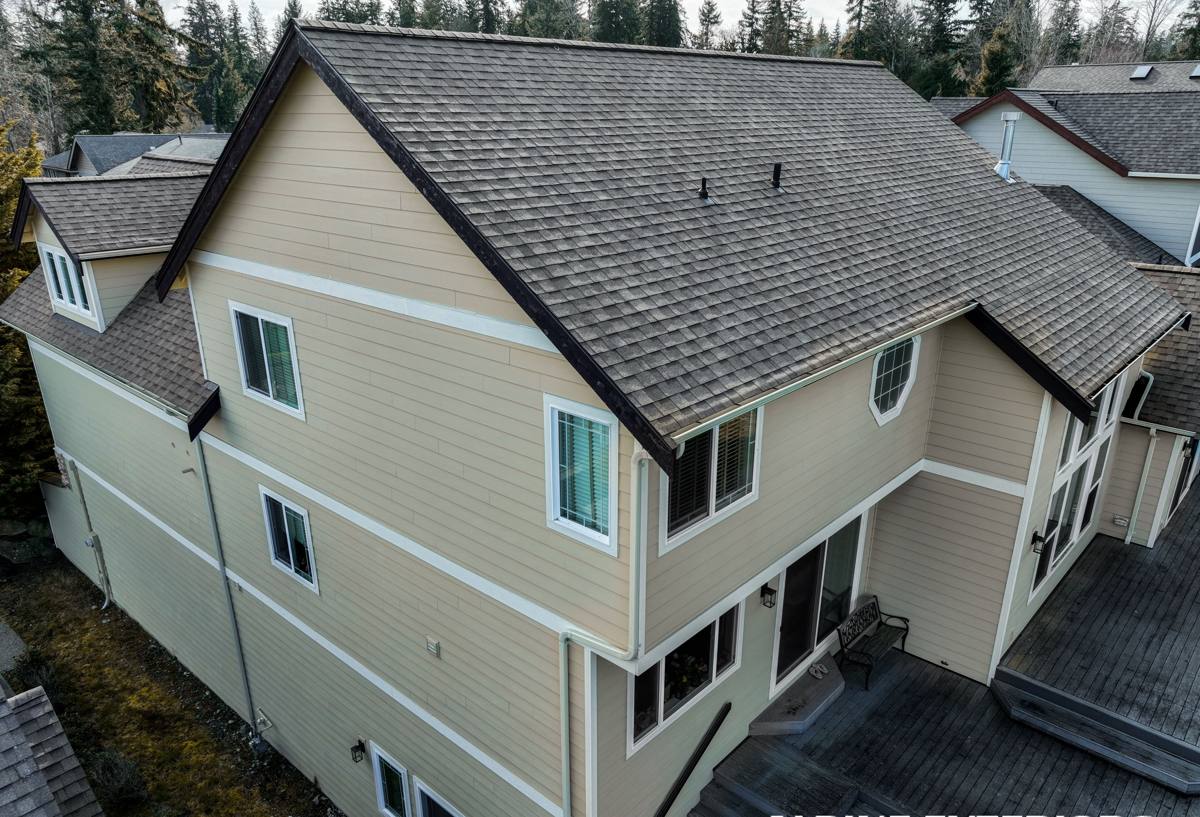
What "Energy-Efficient" Actually Means for a Cordata Home
Efficiency ratings come down to a few core numbers, and it's worth knowing what they mean before you're standing in a showroom comparing products.
U-Factor
This measures how much heat escapes through the window. Lower is better. In our climate, where the goal is mostly keeping heat in during long wet winters, U-factor is usually the number that matters most for your monthly energy costs.
Solar Heat Gain Coefficient (SHGC)
This measures how much solar heat passes through the glass. Given how little direct sun this area gets for much of the year, SHGC is a smaller factor here than it would be in a sunnier climate, but it still affects comfort in south- and west-facing rooms during the brighter months.
Air Leakage Rate
This is the number most directly tied to drafts and to moisture getting where it shouldn't. A window with a low air leakage rating and a well-executed installation is your best defense against the kind of wind-driven rain that Whatcom County storms regularly deliver.
Frame Material: What Holds Up in Salt Air and Constant Damp
The frame material affects long-term performance as much as the glass package does. Here's how the common options generally compare under coastal, high-moisture conditions:
| Frame Material | Behavior in Salt Air / Damp Climate | Maintenance Burden |
|---|---|---|
| Vinyl | Doesn't corrode; quality varies a lot by manufacturer and can affect long-term seal performance | Low — occasional cleaning |
| Fiberglass | Very stable dimensionally, resists moisture and salt exposure well | Low |
| Wood or wood-clad | Handsome, but exposed wood needs consistent upkeep in a climate this wet | Higher — regular painting/sealing |
| Aluminum | Prone to corrosion and condensation issues near salt air unless thermally broken | Moderate to high |
We don't push any single brand or material on every job. The right choice depends on your home's exposure, your budget, and how much upkeep you actually want to do. What we won't do is install a frame material that we know performs poorly in this specific climate just because it's cheaper up front — that's a decision that costs homeowners more in the long run through premature seal failure or frame degradation.
Signs Your Current Windows Are Underperforming
Before assuming you need full replacement, it helps to know what to actually look for. Some of these point to a window problem; others point to a flashing or siding problem that's showing up at the window.
- Visible condensation or fogging between panes of double- or triple-glazed units — this means the seal has failed and the gas fill is gone
- Drafts you can feel near the frame even when the window is fully latched
- Soft or discolored trim, sill, or wall material below or beside a window
- Windows that are difficult to open, close, or lock — often a sign of frame warping
- Visible daylight around the frame from inside
- A noticeable jump in heating costs without a clear explanation
- Moss or persistent green staining on the sill or surrounding trim that keeps coming back within a season of cleaning
Why the Installation Matters More Than the Window Itself
This is the part that gets skipped over in most window sales pitches, and it's the part that determines whether a window actually performs the way its rating suggests. In a climate with regular driving rain, the window is only as good as the flashing and weather barrier integration around it.
Flashing and Water Management
Every window opening needs to be flashed so that any water that gets past the exterior cladding is directed back out, not into the wall cavity. This includes a sloped sill pan, properly lapped flashing tape integrated with the house wrap or weather-resistive barrier, and correct sealant placement — sealed where it should stop water, left open where the assembly needs to drain and dry.
Integration With Siding
Because we work on the siding side of the house as well as the windows, we pay close attention to how the window flange ties into the surrounding wall assembly. A window installed correctly but then covered by siding that traps moisture against it — or siding removed and reinstalled without re-flashing the opening properly — can undo the benefit of a good window. This is one of the most common failure points we see on homes where windows and siding were done by separate crews at separate times, with no coordination between them.
Insulation Around the Frame
The gap between the window frame and the rough opening needs to be filled with the right amount of low-expansion foam or backer rod and sealant — not packed so tight it bows the frame, not left so loose it becomes a thermal gap and air leak path.
Our Process for a Cordata Window Project
The steps are straightforward, but each one matters:
- On-site assessment. We look at each window's current condition, the surrounding siding and trim, and any signs of past water intrusion before recommending anything.
- Honest scoping. Some windows genuinely just need new hardware or a resealed frame. We tell you when replacement isn't necessary.
- Product selection. We walk through frame material, glazing package, and finish options suited to this climate and your budget — no upselling to premium options you don't need.
- Removal and prep. Old units are removed carefully to inspect the rough opening and framing underneath for hidden moisture damage before it's covered back up.
- Flashing and installation. Sill pan, flashing tape, window, and sealant go in with attention to how it ties into your existing wall assembly.
- Siding integration. Where windows are done alongside siding work, we make sure the two systems shed water together, not against each other.
- Final check and cleanup. Every window is operated, checked for square, and inspected before we consider the job done.
What Affects the Cost of a Window Project Here
| Factor | Why It Matters Locally |
|---|---|
| Frame material | Fiberglass and quality vinyl cost more up front but hold up better against salt air and constant moisture |
| Number of windows and access | Second-story or hard-to-access openings take more time and equipment |
| Extent of hidden damage | Rot found in the rough opening once old windows are removed adds repair scope |
| Flashing and siding integration | Proper water management around the opening takes more labor than a quick swap, but it's what prevents callbacks |
| Glazing package | Double vs. triple pane, low-E coatings, and gas fill all affect both price and long-term energy performance |
We give straightforward, itemized quotes so you can see what you're paying for and why — not a single lump number that hides how the work breaks down.
Why Local Experience in This Area Matters
A crew that regularly works homes in and around Ferndale and Cordata knows what this climate actually does to a building over time — not in the abstract, but from having opened up enough walls to see it firsthand. That means knowing which flashing details actually hold up against driving rain off the water, which frame materials are worth the extra cost given the salt exposure, and which moss and mildew patterns on a wall are cosmetic versus a sign of a deeper moisture problem. It also means being available for warranty work and follow-up without a long drive, and understanding local permitting requirements for window replacement without extra back-and-forth.
Living With Your Windows After Installation
Even a well-installed, high-quality window benefits from a little seasonal attention in this climate:
- Rinse frames and sills periodically to clear salt residue, especially on sides of the house facing open water
- Clear moss and organic debris from sills and tracks before it holds moisture against the frame
- Check exterior caulking annually and touch up if it's cracking or pulling away
- Operate every window at least a few times through the year so hardware doesn't seize up from disuse
- Watch for any soft trim or bubbling paint near a window, and address it early rather than waiting
If you're weighing whether your current windows need attention or full replacement, we're happy to take a look and give you a straight answer — including telling you if replacement isn't necessary yet. Reach out for a free, no-pressure estimate using the form below.