 Ferndale Siding
 Why Sandy Point Windows Wear Out Faster Than You'd Expect
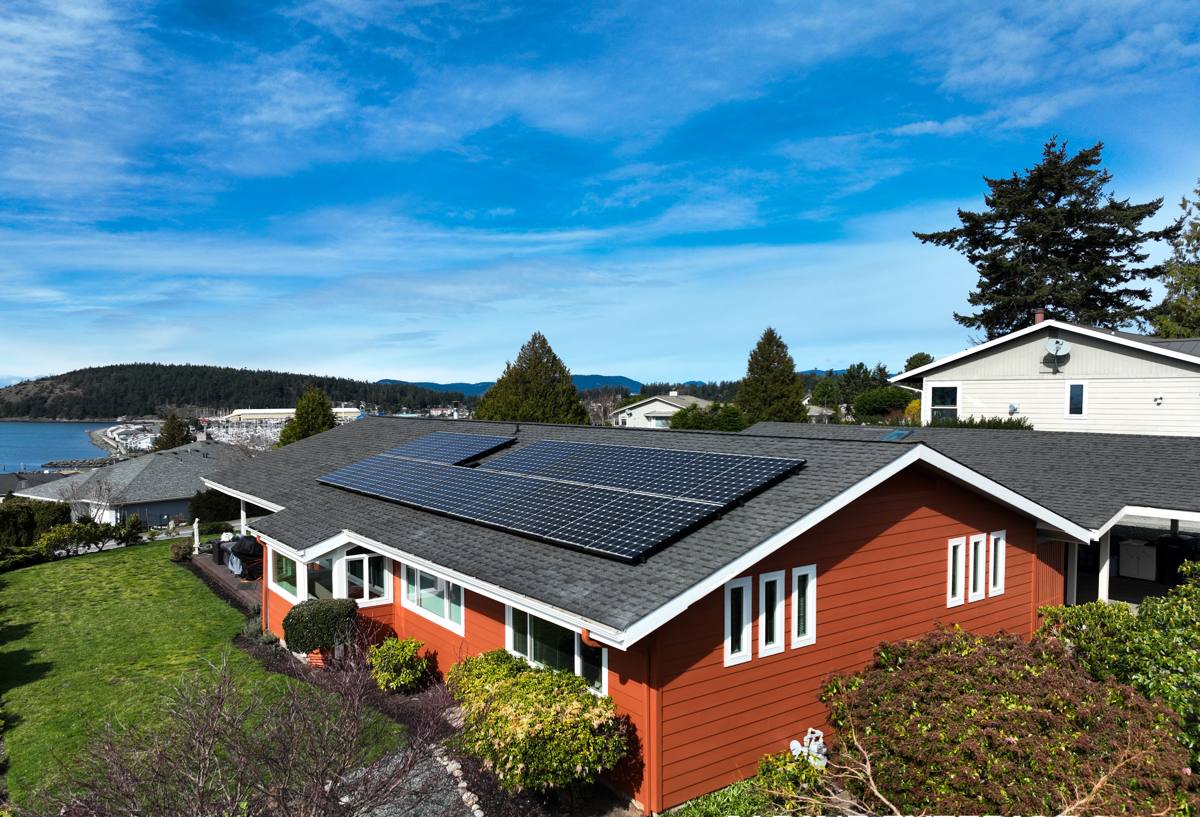
Sandy Point sits right on the water, and that location is exactly why windows here don't last as long as the same product would in a home a few miles inland in Ferndale. Homes in this stretch of Whatcom County take on a combination most inland properties never deal with: salt-laden air off the water, wind-driven rain that hits window assemblies at an angle instead of falling straight down, and a wet season long enough to grow moss on anything that stays shaded and damp. None of that is dramatic on its own. It's the years of steady exposure that eventually shows up as fogged glass, soft trim, sticking sashes, and drafts that weren't there when the house was newer.
We're not describing a hypothetical. It's the normal life cycle of a window in a beachfront or near-beachfront community, and it's why window replacement decisions in Sandy Point deserve a different level of attention than a standard remodel job somewhere in town.
What Salt Air, Driving Rain, and Moss Actually Do to a Window
Salt Air and Hardware
Salt in the air accelerates corrosion on anything metal — hinges, cranks, balance systems, and cheaper fastener packages. A window can look fine from the curb while its hardware is quietly seizing up or rusting from the inside. This is one reason we pay close attention to hardware quality and finish on coastal installs, not just the glass and frame.
Driving Rain and Water Intrusion
Rain that comes in sideways off open water finds every gap a straight-down rain never would. Weak flashing details, old caulk lines, or a window that was never properly sealed to the wall assembly will let water travel behind the trim, where it can sit against sheathing and framing for months without anyone noticing. By the time it shows up as a stain or soft spot on the interior, the damage has usually been happening for a while.
Moss and Trapped Moisture
Whatcom County's long wet season keeps north-facing and shaded window trim damp for extended stretches, and moss takes hold anywhere that moisture doesn't dry out between rains. Moss itself isn't the real problem — it's what moss holds against wood and caulk: constant moisture that keeps those materials from ever fully drying, which shortens their working life.
What a Correct Window Replacement Actually Involves
A window replacement is not just swapping one unit for another in the same hole. In a location like Sandy Point, the installation details matter more than the window brand.
Removing the Old Window Without Damaging the Opening
We remove the existing window carefully and inspect the rough opening before anything new goes in. If there's hidden rot or water damage around the frame — which is common in older coastal homes — that gets addressed before a new window is installed, not covered up behind it.
Flashing and Water Management
Proper flashing directs water down and away from the wall assembly instead of letting it collect at the sill. On a home exposed to driving rain, this step matters more than almost anything else in the install. A window with excellent glass but poor flashing will still leak.
Sealing and Insulation
Gaps around the frame are filled with appropriate insulation and sealed with materials rated for exterior, weather-exposed use — not just any caulk from the shelf. This is what keeps drafts and moisture out for the long haul, and it's a step that's easy to rush and hard to inspect once trim is back on.
Choosing Materials for a Coastal Ferndale Home
There isn't one "best" window for every house, but some materials handle salt air and constant moisture more predictably than others. Here's how the common options generally compare for a property like this:
| Frame Material | Coastal Performance | Maintenance |
|---|---|---|
| Vinyl | Won't rust or corrode from salt air; good moisture resistance | Low — occasional cleaning |
| Fiberglass | Very stable in temperature and humidity swings; strong long-term option near water | Low |
| Wood / Wood-Clad | Attractive, but bare wood is more vulnerable to constant moisture and needs the cladding or finish to be sound | Higher — finish upkeep required |
| Aluminum | Prone to corrosion in salt air unless it's a marine-grade or well-finished product | Moderate to high |
Frame Material
For most Sandy Point homes, we steer clients toward vinyl or fiberglass frames because they don't corrode and they tolerate constant humidity without the upkeep that wood or bare aluminum demand. Wood-clad windows can still be the right call for a specific look, but we'll talk through the added maintenance honestly before you commit to one.
Glass Package
Double-pane, low-E glass is the standard baseline for this climate and handles the Pacific Northwest's temperature and moisture swings well. Triple-pane adds extra insulation value and some additional noise reduction, which some owners on more exposed, wind-heavy lots find worthwhile — it's a trade-off of added cost against added performance, not a requirement.
Our Window Replacement Process
- On-site visit to look at every window being replaced, check the condition of the openings, and talk through what you actually need versus what's optional.
- A written estimate that breaks out material, labor, and any anticipated repair work if we spot rot or damage during the walkthrough.
- Ordering the windows to the exact rough opening measurements — not a generic size.
- Careful removal of the old units, with the opening inspected and any hidden damage addressed before the new window goes in.
- Installation with proper flashing, insulation, and weather-rated sealing at every unit.
- Interior and exterior trim finished to match the home, and a final walkthrough so you can check operation on every window before we consider the job done.
Signs a Sandy Point Home May Need New Windows
- Fogging or a milky haze between the panes — a sign the seal has failed and the insulating gas has escaped
- Windows that stick, won't stay open, or are hard to lock
- Visible rust or corrosion on hinges, cranks, or hardware
- Soft or discolored trim and sills, especially on the sides of the house that face open water or stay shaded
- Persistent moss or dark staining on window trim that keeps coming back after cleaning
- Noticeable drafts near the window frame during windy weather
- Condensation forming on the inside of the glass regularly, even in mild weather
What Affects the Cost
Every home is different, so we won't quote a number without seeing the windows in person — but here's what generally moves the price up or down:
| Factor | Effect on Cost |
|---|---|
| Number of windows being replaced | Larger jobs cost more overall but often lower the per-window rate |
| Frame material chosen | Vinyl is typically the most budget-friendly; fiberglass and wood-clad cost more |
| Glass package (double vs. triple pane) | Triple-pane adds cost for better insulation and sound reduction |
| Condition of the existing opening | Hidden rot or water damage adds repair time and material before installation can proceed |
| Window size and configuration | Large picture windows, bays, or custom shapes cost more than standard operable sizes |
As a broad range, full window replacement projects for a single-family home typically fall somewhere in the low five figures to well into the mid five figures, depending on how many of these factors apply. That's a wide range on purpose — the only way to narrow it down is a walkthrough of your specific windows.
Why It Matters to Hire a Crew That Already Works Sandy Point
A contractor who mostly works inland jobs isn't necessarily going to think about flashing, hardware corrosion, or sealed-gap detailing the same way a crew that regularly works this stretch of the Whatcom County coastline will. We've seen what happens when a window is installed to a generic standard instead of a coastal one — it usually holds up fine for a couple of years, then starts leaking or corroding earlier than it should have.
There are also practical local details worth knowing before you start: some coastal communities in this area have their own architectural or exterior guidelines through a community association, separate from county permitting, so it's worth checking both before ordering windows in a specific style or color. We can help you sort out what applies to your property.
After Installation: Keeping Windows Performing in This Climate
A properly installed window in a good material shouldn't need much — but a little maintenance goes a long way in a salt-air environment. Rinse hardware and tracks periodically to reduce salt buildup, especially on anything exposed directly to ocean-facing wind. Keep an eye on trim and sills for early moss growth and clean it off before it takes hold, rather than after it's established. Check that weep holes and drainage paths at the sill stay clear of debris so water can drain the way the window was designed to handle it. None of this is heavy work, but it's the difference between a window that performs for its full expected lifespan and one that starts showing problems early.
If you're noticing drafts, fogged glass, sticking hardware, or trim that just won't stay clean no matter what you do, it's worth having someone take a look before small issues turn into bigger repairs. We offer free, no-pressure estimates for Sandy Point homeowners — use the form below to get a time on the calendar.