 Ferndale Siding
 Windows That Can Handle Kendall's Weather and Still Cut Your Heating Bill
In Kendall, an energy-efficient window has to do two jobs at once: keep the weather out and keep your heating and cooling costs down. Those two jobs are more connected than most homeowners realize. A window that leaks air around the frame or fogs between panes isn't just uncomfortable to sit next to on a cold evening — it's actively working against your furnace or heat pump every single day it stays in the wall. Salt air, driving rain, and a long moss season all take their toll on window components here in Whatcom County, and that same moisture load is often what causes seals to fail early and efficiency to drop off years before a homeowner expects it.
This page focuses specifically on energy-efficient window replacement for homes in Kendall — what the climate actually demands from a window, what "energy-efficient" means beyond the marketing language on a brochure, and how a correct installation protects both your comfort and your investment for decades rather than a few winters.
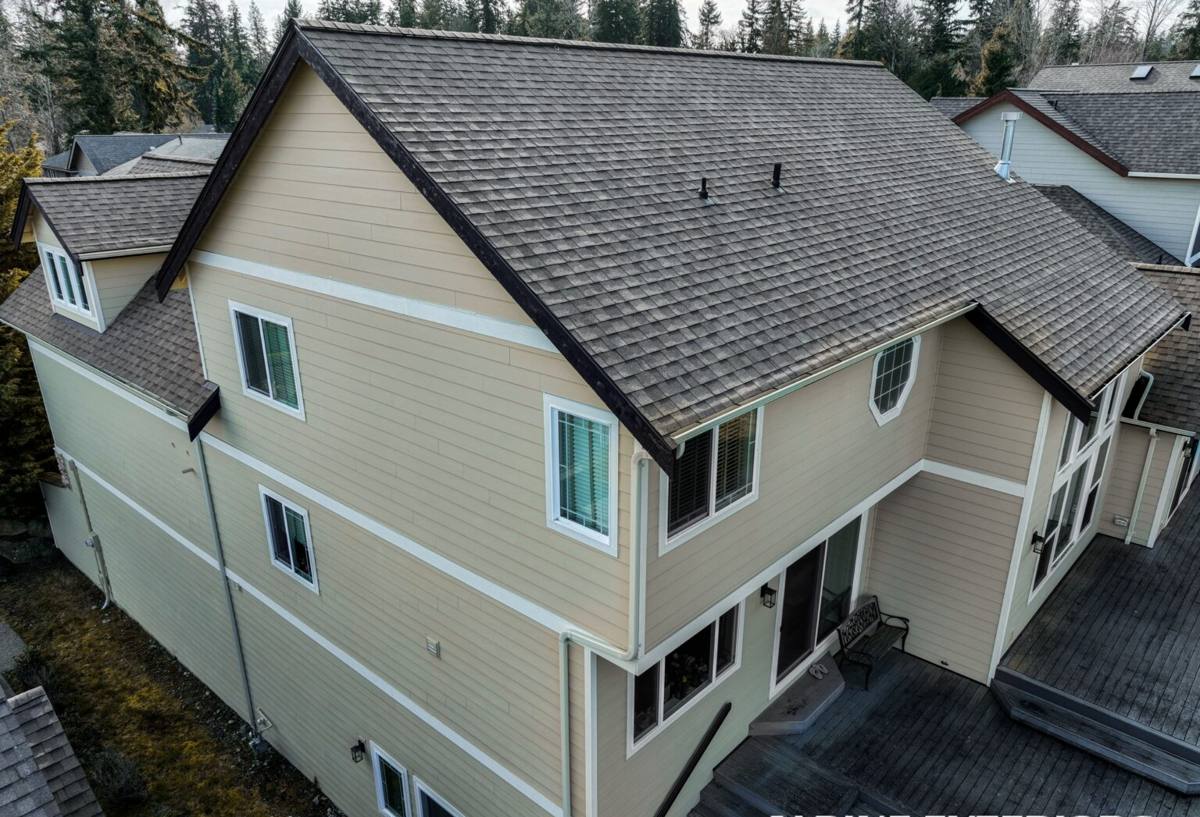
What Kendall's Climate Demands From a Window
Salt Air and Hardware Corrosion
Salt-tinged marine air moving through this part of Whatcom County works on window hardware, weatherstripping, and lower-grade fasteners over time. A window with a well-sealed frame and corrosion-resistant hardware holds its performance far longer than one that relies on budget components, because a stiff or corroded lock and hinge is often the first small failure that lets air infiltration creep in around an otherwise sound window.
Driving Rain and Sill Drainage
Rain in this region rarely falls straight down — wind pushes it sideways and even upward into window openings. A window installed without a properly pitched sill and integrated flashing can look fine for a season or two while moisture is already working its way into the wall cavity behind it. That moisture problem and an energy problem are usually the same problem: a wall assembly that's wet doesn't insulate the way it's supposed to, no matter how good the glass package is.
A Long Moss Season and Sustained Dampness
Shaded elevations here stay damp for a long stretch of the year, which is part of why moss establishes itself so readily on roofs and siding. That same sustained dampness sits against window frames and sills longer than it would in a drier climate, which is exactly the condition that causes seals, gaskets, and insulated glass units to break down early if they weren't installed with the right drainage and flashing details from the start.
What "Energy-Efficient" Actually Means
"Energy-efficient" gets used loosely in window advertising, but it's actually a specific set of measurable ratings, and understanding them helps you compare windows honestly instead of guessing from a sales brochure.
U-Factor
U-factor measures how much heat a window lets escape — the lower the number, the better the window resists heat loss. This is the single most important number for a Kendall home, since our heating season is long and mild rather than brutally cold, which means a window's ability to hold heat in day after day matters more here than in climates with short, extreme winters.
Solar Heat Gain Coefficient (SHGC)
SHGC measures how much solar heat passes through the glass. A shaded, north-facing window and a sun-exposed south or west window on the same house don't always want the same SHGC, and it's worth discussing each elevation rather than defaulting to one glass package across the whole home.
Low-E Coatings
Low-emissivity coatings are microscopically thin layers on the glass that reflect heat back where you want it — inward in winter, outward in summer — without noticeably changing how clear the glass looks. The right low-E package depends on your home's orientation and how much direct sun a given wall actually gets.
Gas Fills and Spacers
Most efficient windows use argon or krypton gas between the panes instead of plain air, which conducts heat more slowly. The spacer that separates the panes matters too — a warm-edge spacer resists heat transfer and condensation at the glass edge far better than older aluminum spacer designs, which is a real consideration in a climate as damp as ours.
Frame Material and Energy Performance
The glass package gets most of the attention, but the frame material affects both energy performance and how well the window holds up to this specific climate over time.
| Frame Material | Thermal Performance | Moisture & Corrosion Behavior | Typical Investment |
|---|---|---|---|
| Vinyl | Good; multi-chamber designs perform well | Won't rot; performs well when installed correctly | Lower |
| Fiberglass | Very good; expands and contracts close to the glass itself | Dimensionally stable, resists moisture and corrosion | Higher |
| Wood, clad exterior | Good; wood is a natural insulator | Clad exterior protects wood from direct weather exposure | Higher |
| Aluminum | Weakest unless thermally broken | Conducts cold; can corrode in salt-influenced air over time | Moderate |
We'll talk through which frame material makes sense for your home's budget, style, and each wall's actual sun and weather exposure, rather than steering you toward whichever product happens to be easiest to sell.
What a Correct Energy-Efficient Window Install Involves
A high-performance window unit only performs as well as its installation. This is where a lot of the real energy loss in older or poorly replaced windows actually comes from.
Removing the Old Window Without Damaging the Opening
The old window and any surrounding rot or damaged framing get removed carefully so the opening can be properly assessed before anything new goes in. Skipping this step and installing over hidden rot or an already-compromised sill just seals a problem behind new trim.
Sill Pan and Flashing Integration
A pitched sill pan and correctly lapped flashing keep any water that gets past the window moving outward, not pooling at the sill. Given how much of our rain arrives wind-driven rather than falling straight down, this detail matters as much for energy performance as it does for keeping the wall dry, since a wet wall cavity loses insulating value.
Air Sealing the Gap
The gap between the new window frame and the rough opening gets sealed and insulated correctly, without overpacking it with rigid foam or leaving voids that let air move behind the trim. This single detail accounts for a meaningful share of the difference between a window that performs to its rated U-factor and one that doesn't.
Exterior and Interior Trim Finish
Finish work gets buttoned up so caulking and trim don't become the only thing standing between your wall and the weather. A tidy finish is also usually a sign the flashing and air-sealing steps underneath it were done with the same care.
Washington State Energy Code and Kendall Homes
Replacement windows installed in Washington need to meet the U-factor and performance requirements set out in the Washington State Energy Code, and that applies to Kendall homes the same as anywhere else in the state. We'll walk you through the U-factor and NFRC label on any window package we install so you know exactly what you're getting, and confirm it meets current code before the job is called finished — not just the minimum, but a glass and frame combination that actually fits your home's exposure.
Signs Your Current Windows Are Losing You Money
- Visible fog or moisture trapped between the panes — a sign the seal has failed and the insulating gas is gone
- Noticeable drafts near the frame even when the window is fully latched
- Condensation forming on the inside of the glass regularly during cooler months
- Single-pane glass, especially on walls that catch prevailing wind and rain
- Frames that feel cold to the touch compared to the surrounding wall
- Difficulty opening, closing, or latching the window due to swollen or corroded components
- Rooms near older windows that are noticeably harder to keep comfortable than the rest of the house
How Our Process Works
- On-site assessment: We look at your existing windows, note which ones are underperforming, and check the condition of the framing and sills behind them.
- Product and glass package review: We go over frame material and glass options suited to each wall's actual sun and weather exposure, not a single default package for the whole house.
- Written estimate: You get a clear, itemized estimate before any work begins, with no pressure to decide on the spot.
- Careful removal and opening assessment: Old windows come out cleanly, and any hidden rot or flashing issues get flagged before the new window goes in.
- Installation with correct flashing and air sealing: Sill pan, flashing, and air sealing are done to the standard this climate requires, not just to get the new window "in the hole."
- Final walkthrough: We check operation, hardware, and finish work with you before calling the job done.
Why Hiring a Crew That Already Works Kendall Matters
A crew that regularly installs windows in and around Kendall has already seen how salt-tinged air corrodes underspecified hardware, how wind-driven rain finds a poorly pitched sill, and which walls on a typical home here need extra attention because of shade or prevailing exposure. That's the kind of practical knowledge that shows up in small decisions during an install — decisions that matter more to long-term performance than the brand name printed on the frame. It also means working with someone who will still be around, and reachable, if a warranty question comes up five or ten years from now.
If your current windows are drafty, foggy, or just costing more to heat around than they should, we're glad to take a look and talk through honest options for your home. Use the form below to request a free, no-pressure estimate.