 Ferndale Siding
 Windows Built for Life on Sandy Point
Sandy Point sits close enough to the water that its homes take a different kind of weathering than houses just a few miles inland in Ferndale. Salt-laden air, wind-driven rain that hits window frames sideways instead of straight down, and a long, damp moss season that runs from fall through spring all add up to conditions that most window products were never really tested for. A window that performs fine in a sheltered subdivision can fail early out here — not because it was a bad window, but because it wasn't installed or specified for this exposure.
We install custom windows for homeowners throughout Whatcom County, and Sandy Point is one of the areas where we pay closest attention to material choice, flashing detail, and sealant selection. This page walks through what actually matters when you're replacing or upgrading windows in this specific stretch of coastline, so you can go into the decision with realistic expectations instead of a sales pitch.
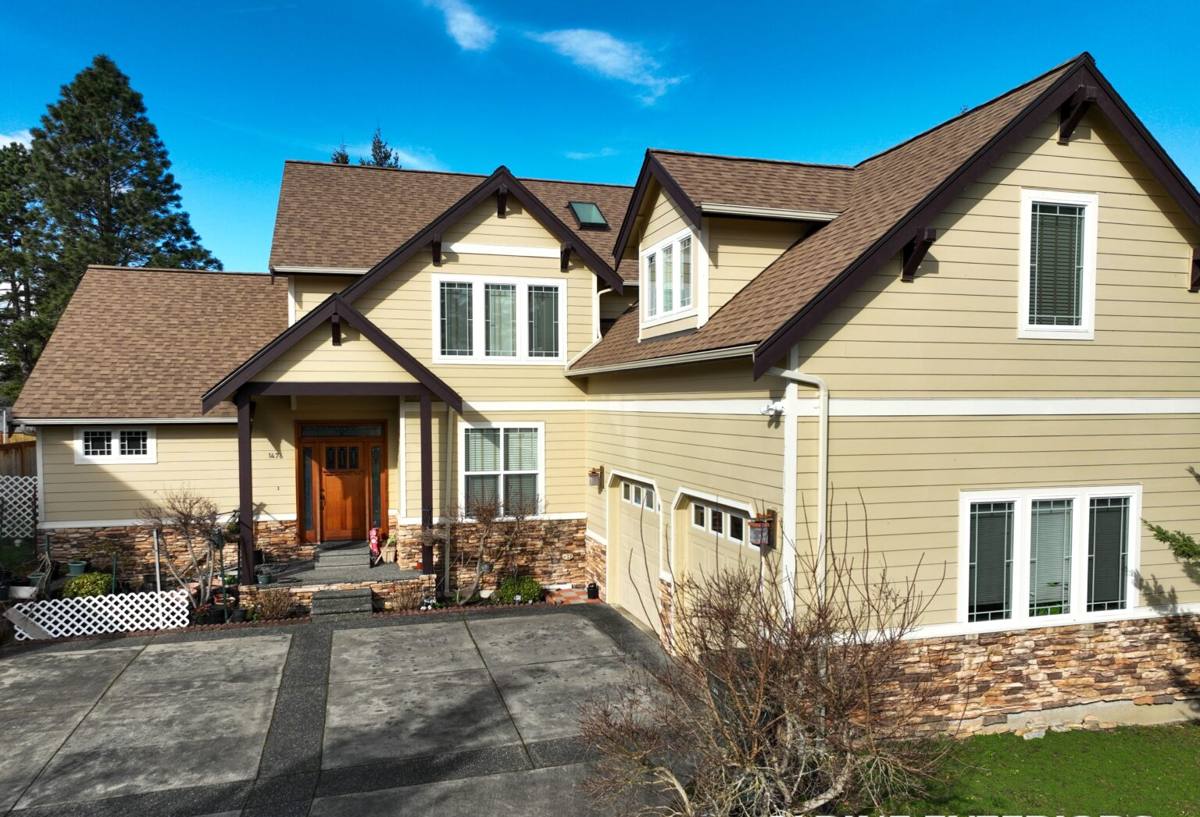
What Salt Air, Driving Rain, and Moss Actually Do to a Window
Salt Air
Airborne salt settles on every exterior surface near open water, including window frames, hardware, and screens. Over years, it accelerates corrosion on unprotected metal components — hinges, cranks, screen frames, and lesser-grade fasteners — and it can dull or pit certain finishes faster than the manufacturer's standard warranty testing anticipates. This isn't unique to Sandy Point, but it's more pronounced here than in most of Ferndale proper simply because of proximity to the water and consistent onshore breezes.
Driving Rain
Wind off the water doesn't just bring rain — it pushes it. Horizontal, wind-driven rain finds weaknesses that a calm, straight-down rain never would: a slightly under-caulked joint, a flashing lap installed backward, a nailing fin that wasn't fully sealed. Water intrusion around windows is one of the most common sources of hidden rot we find in older coastal-exposure homes, and it's almost always a flashing or sealant failure, not a defective window unit.
Moss Season
Whatcom County's wet season is long, and moss and algae don't limit themselves to roofs. They colonize window sills, trim, and any horizontal or textured surface that stays damp for extended stretches. Beyond the cosmetic issue, sustained moisture against wood trim or sills is what eventually leads to soft spots and rot if the surface isn't sealed and detailed to shed water quickly.
Signs Your Current Windows Are Losing the Battle
Most window failure in this climate is gradual. Here's what we tell Sandy Point homeowners to watch for between now and your next major weather event:
- Fogging or condensation between panes on double- or triple-glazed units (a sign the seal has failed)
- Soft, spongy, or discolored wood trim or sill areas, especially on the windward side of the house
- Persistent moss or dark staining on sills that returns quickly after cleaning
- Drafts or a noticeable temperature difference near the window on windy days
- Hardware — cranks, locks, hinges — that's stiff, corroded, or won't latch fully
- Visible gaps or cracked caulk lines around the exterior frame
- Difficulty opening or closing that wasn't there a few years ago (often a sign of frame swelling or settling)
Any one of these on its own might just need maintenance. Several at once, especially on an older window, usually means it's time to talk about replacement before the underlying framing is affected.
What "Custom" Means for Sandy Point Homes
Custom windows aren't about ornamentation — they're about fitting the window to the actual opening, the actual wall assembly, and the actual exposure of your specific house. A lot of homes in this area were built or added onto over different decades, which means openings aren't always standard sizes, and older construction sometimes has wall assemblies that don't match what a big-box replacement window is designed to integrate with.
Custom sizing and detailing matters most when:
- You have older, non-standard openings that would otherwise require re-framing to fit a stock size
- You want to correct a past installation that's already showing water intrusion signs
- Your home faces the water directly or sits with little windbreak, and needs a higher wind and water-resistance rating than a standard interior-lot home
- You're matching sightlines and trim profiles across an addition or a full-house window replacement
Choosing the Right Frame Material for This Exposure
Frame material matters more here than it does a few miles inland. Below is how the common options actually hold up under salt air, sustained moisture, and coastal wind — including where our professional standard leads us to steer homeowners away from a material, and why.
| Material | Salt Air / Corrosion Behavior | Moisture & Moss Exposure | Maintenance Load |
|---|---|---|---|
| Vinyl | Does not corrode; UV-stable finishes hold up well | Won't rot; smooth surfaces resist moss buildup | Low — occasional rinse |
| Fiberglass | Excellent; very stable in coastal conditions | Won't rot; dimensionally stable through wet/dry cycles | Low |
| Aluminum | Prone to pitting and corrosion near salt air unless marine-grade and well-coated | Won't rot, but condensation and thermal performance are weaker | Moderate — coating maintenance |
| Wood (uncladded) | Not directly affected by salt, but finish needs more frequent upkeep | Vulnerable to rot and moss staining if finish isn't maintained | High — regular refinishing needed |
| Wood-clad | Cladding protects the exterior face well | Good, as long as cladding seams and end cuts stay sealed | Moderate |
For most direct coastal exposure like Sandy Point, we lean toward vinyl or fiberglass frames for the exterior-facing surfaces, with wood or wood-look interiors where homeowners want that look inside. That's not a knock on wood or aluminum as materials — it's a maintenance-burden and long-term-value conversation. If you're set on a wood exterior for a specific architectural style, we'll tell you honestly what upkeep schedule that requires out here so there are no surprises five years in.
Glass and Sealed-Unit Considerations
Beyond frame material, the sealed glass unit itself matters. In a marine climate, argon- or krypton-filled double-pane units with a quality warm-edge spacer generally perform well and are the right fit for most homes. Triple-pane glass adds cost and weight and makes the most sense where noise control or maximum thermal performance is a priority — it's not strictly required by the climate here, but some homeowners choose it for comfort. We'll walk through both options against your actual budget rather than defaulting to the upsell.
How We Install Windows for Coastal Exposure
The window unit itself is maybe half the equation. The other half is installation detail, and it's where most water-intrusion problems actually originate. Our process for Sandy Point homes includes:
- On-site assessment — we check the existing opening, framing condition, and any signs of prior water intrusion before quoting anything
- Proper flashing sequence — sill pan flashing and correctly lapped house wrap so water is directed out and down, never trapped behind the window
- Marine-grade or high-quality sealants — chosen for continued flexibility and adhesion under repeated wet-dry cycling, not just a standard caulk
- Correct fastening and shimming — so the frame stays square and doesn't rack under wind load, which is what causes seal failure over time
- Interior and exterior trim-out — finished to shed water and match your home's existing lines
- Final inspection and walkthrough — operation, seal, and finish checked with you before we consider the job done
None of these steps are unusual by themselves. What matters is that they're done in the right order and not rushed — which is where a lot of water problems we get called to fix actually started.
Why Hiring a Crew That Already Works Sandy Point Matters
A contractor who mostly works inland jobs isn't wrong about windows in general, but they may not default to marine-grade sealants, corrosion-resistant hardware, or the flashing detail this exposure calls for — because they don't need to on most of their jobs. Working regularly along this part of the Whatcom County coastline means we're used to specifying materials and installation details for salt air and driving rain as a matter of course, not as an upcharge or an afterthought.
We're also familiar with the older housing stock and additions common to this area, which means fewer surprises once a window is out of the wall and we can see the actual condition of the framing behind it.
Maintaining Custom Windows in a Salt Air Climate
Even the right window benefits from basic upkeep in this environment:
- Rinse exterior frames and glass periodically to remove salt residue, especially after storms
- Keep sills and tracks clear of moss, leaves, and standing water
- Lubricate hardware (locks, cranks) on an annual basis to prevent stiffness or corrosion
- Inspect exterior caulk lines yearly and touch up before small gaps become entry points
- Trim back vegetation that keeps window areas shaded and damp longer than necessary
Cost Factors to Expect
Every project is different, but the main variables that move the price on a Sandy Point custom window job are frame material, glass package (double vs. triple pane), the number and size of openings, whether re-framing or structural repair is needed due to past water damage, and trim/finish complexity. We won't throw out a broad number without seeing the actual openings — anyone quoting a whole-house price sight unseen is guessing, and in a climate like this, guessing is how corners get cut.
If your windows are showing wear, you're planning a remodel, or you just want an honest read on what your home actually needs given its exposure, we're happy to come take a look. Estimates are free and there's no pressure — we'll tell you what we'd genuinely recommend, whether that's a full replacement, targeted repairs, or simply better maintenance for now. Fill out the form below to get started.