 Ferndale Siding
 Roof Repair Built for Semiahmoo's Coastal Conditions
Semiahmoo sits close enough to the water that roofs here take a different kind of beating than roofs a few miles inland. Salt-laden air moves in off the bay, driving rain comes in sideways during winter storms, and the shaded, damp stretches of the year give moss and algae months to work into shingles, valleys, and flashing. A roof repair here has to account for all of that, not just patch whatever is failing on the surface. We repair roofs throughout Whatcom County, and Semiahmoo homes consistently show a specific pattern of wear tied to their exposure to salt air and sustained moisture.
This page is about roof repair specifically for that environment — what tends to fail first, what a correct repair actually involves, and how we approach the work so it holds up through the next few wet seasons instead of needing attention again in a year.
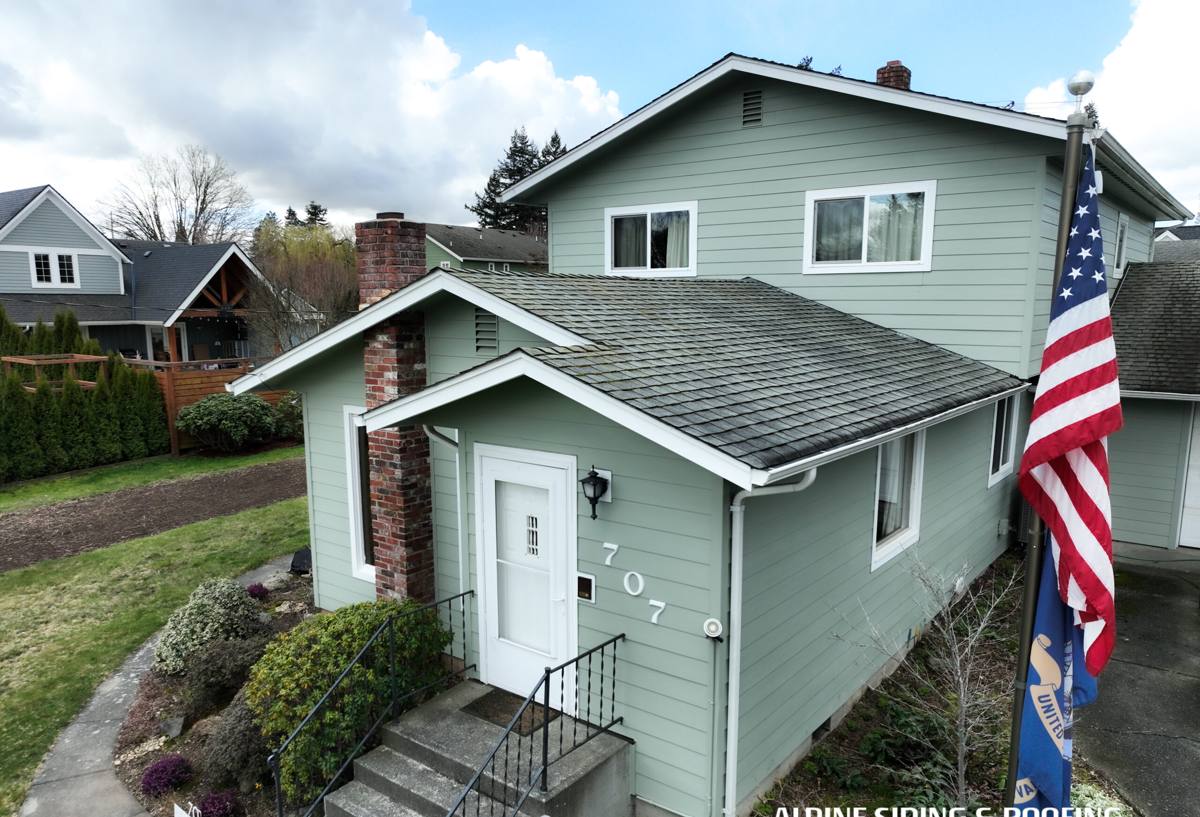
Why Semiahmoo Roofs Wear Differently
Salt Air and Metal Fatigue
Salt air accelerates corrosion on exposed metal — flashing, fasteners, gutter hardware, and any exposed roofing nails. Galvanized coatings that would last decades inland can start breaking down years sooner this close to the water. Once corrosion starts on a fastener or flashing edge, it opens a path for water, and that's usually where a small leak begins.
Driving Rain and Wind Exposure
Open exposure to wind off the water means rain in Semiahmoo rarely falls straight down. Wind-driven rain gets pushed up and under shingle edges, into valleys, and around anything that penetrates the roof deck — vents, chimneys, skylights. A repair that only addresses the visible shingle damage and ignores wind exposure at that spot tends to fail again in the next storm.
Extended Moss Season
Whatcom County's damp, mild climate gives moss a long window to establish itself, and shaded or north-facing slopes in Semiahmoo hold moisture even longer. Moss doesn't just look bad — it lifts shingle edges as it grows, holds water against the roofing material, and works its way into seams over time. Left alone through even one full season, it can turn a minor maintenance issue into an active leak.
Common Roof Problems We See in Semiahmoo
Moss and Moisture Damage
Moss growth along ridge lines, valleys, and shaded slopes is the most common call we get in this area. By the time it's visible from the ground, it's often already lifted shingle tabs or trapped moisture against the roof deck underneath.
Flashing Failures
Flashing around chimneys, skylights, dormers, and where roof planes meet is the single most common source of active leaks we find. Salt air corrosion combined with wind-driven rain makes flashing joints in Semiahmoo fail earlier than the shingles around them.
Valley and Penetration Leaks
Roof valleys concentrate water flow, and any point where something penetrates the roof — vent stacks, exhaust fans, satellite mounts — is a potential entry point. These spots see more water volume and more flexing over time, so they wear faster than open field shingle.
Gutter and Edge Deterioration
Corroded or clogged gutters back water up under the roof edge, which is often mistaken for a roof leak when the real problem is drainage. We check this as part of every repair visit because fixing the roof without addressing the edge just brings the homeowner back.
What a Proper Roof Repair Actually Involves
A repair that actually holds up isn't just replacing what's visibly damaged. It means understanding why that spot failed in the first place, so the same failure doesn't happen again six months later.
Finding the Real Source
Water travels before it shows up as a stain on a ceiling. Tracing a leak back to its actual entry point — rather than patching where the damage appeared inside the house — is the difference between a repair that lasts and one that doesn't.
Matching Materials Correctly
Patch repairs need to match the existing roofing material in type, weight, and where possible, age and color, so the repaired section performs the same as the surrounding roof and doesn't create a new weak point at the seam.
Flashing and Underlayment, Not Just Shingles
If flashing or underlayment near the damaged area shows corrosion or wear, replacing shingles alone leaves the actual point of failure in place. We address flashing and underlayment together with the visible repair whenever they're compromised.
Checking Ventilation
Poor attic ventilation traps moisture underneath the roof deck, which can look like a roofing leak but is actually a condensation problem. Given how often moisture already works against roofs in this area, we check ventilation as part of any repair diagnosis rather than assuming the roof itself is the only issue.
Our Repair Process
1. Inspection
We walk the roof and check the attic where accessible, looking at flashing, valleys, penetrations, gutters, and any signs of moss, moisture staining, or corrosion — not just the spot the homeowner is worried about.
2. Honest Assessment and Estimate
We explain what we found, what's driving it, and what it will take to fix properly. If a repair is the right call, we say so. If the roof is past the point where repair makes sense, we'll tell you that too, plainly, before any work starts.
3. The Repair
We do the work using materials matched to your existing roof, correcting the underlying cause (flashing, ventilation, drainage) alongside the visible damage, not just the surface symptom.
4. Cleanup and Follow-Through
We clear debris, old materials, and moss removal waste from the site, and we're available afterward if anything about the repair needs a second look.
Repair or Replace? Weighing the Real Factors
Not every roof problem in Semiahmoo needs a full replacement, and not every one should be patched indefinitely. The table below outlines the factors we actually weigh when advising a homeowner.
| Factor | Favors Repair | Favors Replacement |
|---|---|---|
| Roof age | Under 15 years, or recently replaced in the affected section | Nearing or past expected material lifespan |
| Extent of damage | Isolated to one area (a valley, a flashing point, a section of moss) | Widespread across multiple slopes or repeated failures in different spots |
| Underlying deck condition | Deck is sound and dry | Deck shows rot or sustained moisture damage |
| Corrosion level | Minor surface corrosion on isolated fasteners or flashing | Advanced corrosion affecting multiple flashing runs or fastener patterns |
| Repair history | First repair in this area of the roof | Same area has needed repeated attention |
Materials and Methods We Use in Coastal Conditions
For flashing and fasteners in Semiahmoo, we favor materials with better corrosion resistance than standard galvanized options wherever it fits the existing roof system, since salt air exposure shortens the service life of lower-grade metal. For underlayment, we use products rated for the sustained moisture this area sees, rather than defaulting to whatever is cheapest. None of this is about upselling — it's about not having to redo the same repair in two years because the materials underneath weren't suited to the environment.
Timing Matters More Here Than Inland
Whatcom County's moss season runs long, and Semiahmoo's proximity to the water extends the window where roofs stay damp even further. Repairs done before the wet season sets in — typically late summer into early fall — tend to hold up better, since the materials and sealants have a chance to cure in drier conditions before facing sustained rain. That said, active leaks shouldn't wait for the "right" season. A small leak addressed in December is far cheaper than the interior damage it causes by March.
Maintenance Steps That Extend Time Between Repairs
A few consistent habits go a long way toward reducing how often a Semiahmoo roof needs repair work in the first place:
- Clear moss from shaded and north-facing slopes at least once a year, ideally before the wet season
- Keep gutters clear so water isn't backing up under the roof edge
- Have flashing around chimneys, skylights, and vents inspected every couple of years given the corrosion risk here
- Trim back overhanging branches that keep sections of the roof shaded and slow to dry
- Address small leaks or stains as soon as they appear rather than waiting for dry weather
- Check attic ventilation periodically, since trapped moisture accelerates deck and shingle wear from underneath
Why a Crew That Already Works Semiahmoo Matters
Roof repair advice that works for a roof in a dry inland climate doesn't always hold up here. A crew that regularly works Semiahmoo and the surrounding coastal parts of Whatcom County already knows which flashing details fail first in salt air, how long moss actually takes to become a structural issue on a shaded north slope, and which materials hold up to driving rain versus which ones just look fine until the next storm. That familiarity means less time spent diagnosing and more time spent fixing the actual problem correctly the first time.
If you've got a leak, moss buildup, or damaged flashing on a Semiahmoo roof, we're happy to take a look and give you a straight assessment. The estimate is free, there's no pressure to move forward, and you'll know exactly what we found and why before any work begins — just fill out the form below to get started.