 Ferndale Siding
 Siding Replacement for Everson Homes
Everson sits along the Nooksack River in Whatcom County, close enough to Ferndale that homeowners here deal with the same wet, mossy, marine-influenced weather that shapes every siding decision on the west side of the state. Whether your home is an older farmhouse-style property near the river bottom or a newer build on higher ground, the siding on it is doing more work than most people realize — and when it starts to fail, the damage is often happening behind the surface long before it shows up on the outside.
We install siding throughout Ferndale and the surrounding Whatcom County communities, and Everson is a regular stop for us. That matters more than it sounds like it should. A crew that already knows how river-valley humidity, shaded lots, and long wet winters behave in this area is going to make better calls on your job than a crew seeing local conditions for the first time.
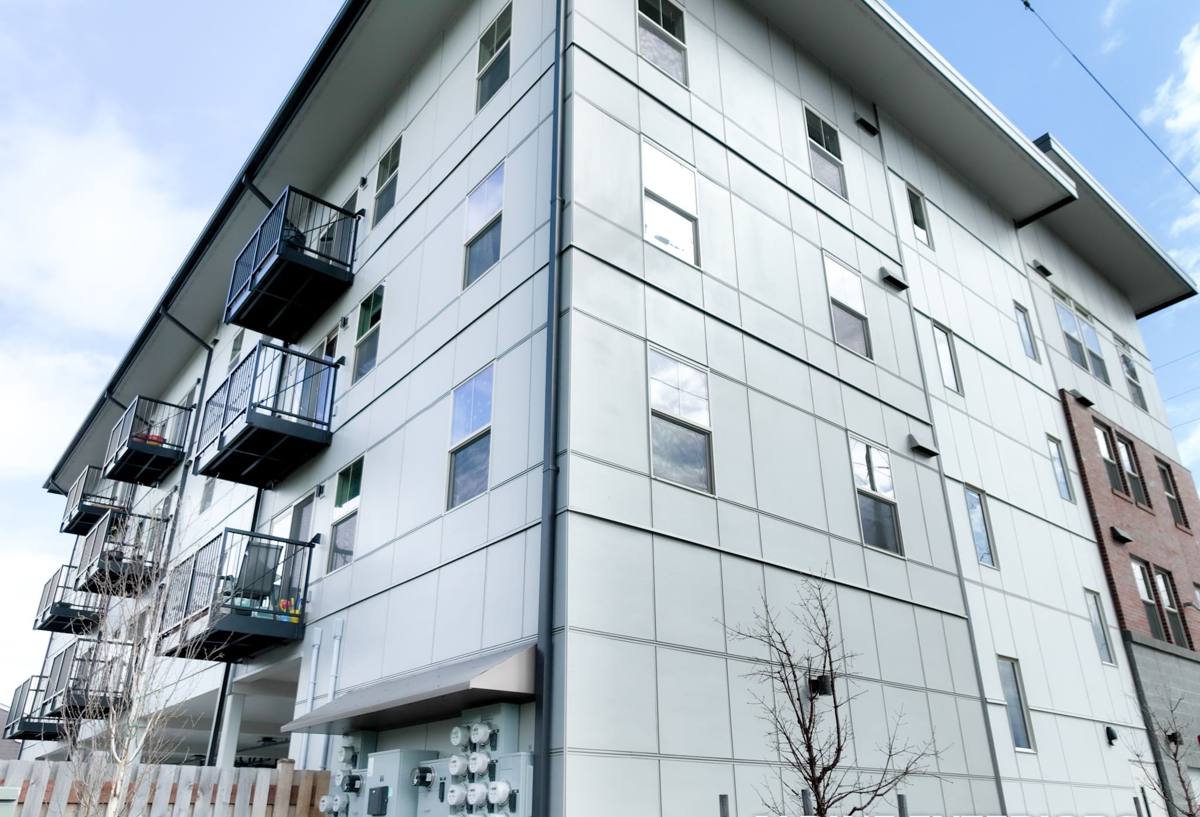
Why Siding Fails Faster Here Than in Drier Climates
Whatcom County doesn't get hurricane-force storms, but it gets something arguably harder on siding: months of low-intensity moisture exposure with very little true drying time. Everson's location along the river valley means mornings often hold fog and dew longer than more open areas, and shaded north- and east-facing walls can stay damp for days after a rain event. Add in the broader region's salt-laden marine air drifting in off the Sound, and you get a combination that pushes moisture into every seam, fastener hole, and unsealed edge a siding system has.
The products that struggle most under these conditions share a common weakness: they're organic materials — wood fiber, wood veneer, or wood itself — that absorb water rather than shed it. Once moisture gets into the substrate, it doesn't matter how good the paint job was. Swelling, delamination, and rot follow on their own timeline, usually hidden under paint until the damage is significant.
What "long moss season" actually does to a wall
Moss isn't just cosmetic. It holds moisture directly against the siding surface for weeks at a time, well past when the surrounding air has dried out. On horizontal laps and anywhere water tends to sheet down slowly, moss buildup can effectively double the number of days a wall surface stays wet each year. For any moisture-sensitive material, that's a direct hit to lifespan.
Signs an Everson Home Needs Siding Replacement
- Soft or spongy spots when you press on siding, especially near the bottom courses and around window trim
- Paint that keeps failing in the same spots within a year or two of repainting
- Visible swelling, bubbling, or delamination along panel edges or seams
- Persistent moss or dark streaking on shaded walls that pressure washing only temporarily removes
- Gaps opening up at butt joints or corner trim where caulking has pulled away
- Rising utility bills alongside drafts near exterior walls, suggesting compromised weather barrier behind the siding
- Visible warping when siding is viewed at a low angle from across the yard
What Correct Installation Involves
Replacing siding isn't just swapping old boards for new ones. In a wet climate like this, the work that happens before the first piece of siding goes up is what determines whether the job lasts 10 years or 40.
Tear-off and inspection
We remove the existing siding down to the sheathing so we can actually see what's underneath. This is where hidden rot, compromised sheathing, or old, failed house wrap usually turns up. You can't fix what you can't see, and covering over existing moisture damage with new siding just guarantees a repeat failure.
Weather-resistive barrier and flashing
A correctly lapped weather-resistive barrier, properly integrated window and door flashing, and rainscreen furring where called for are what actually keep bulk water out of the wall assembly. Siding itself is the first line of defense, not the only one — the assembly behind it is what protects the structure long-term.
Fastening and joint treatment
Fiber cement siding has specific fastening patterns, nail placement tolerances, and joint treatment requirements. Getting these wrong is one of the most common causes of premature failure and voided warranty coverage, even on a good product. This is a product that rewards a crew that installs it every week and punishes one that doesn't.
Trim, caulking, and paint touch-up
The finish details — corner trim, caulking at penetrations, and factory-finish touch-up at cut edges — are what keep water from finding its way in at the seams. Skipping or rushing this step undermines everything done correctly up to that point.
Why We Install Only James Hardie Fiber Cement
We don't install vinyl siding, LP SmartSide, cedar, primed spruce, or other fiber cement brands like Cemplank or Allura. That's a deliberate standard, not a lack of options. Each of those products has real strengths, but none of them holds up as consistently as James Hardie does under the specific combination of driving rain, prolonged dampness, and moss exposure that defines this region.
| Material | Common Trade-Off in This Climate |
|---|---|
| Vinyl siding | Can warp or crack in temperature swings; seams and J-channels are common water entry points; doesn't stop moisture that gets behind it |
| Wood or primed spruce | Absorbs water directly; requires ongoing repainting and caulk maintenance to stay ahead of rot |
| LP SmartSide (engineered wood) | Wood-based core is moisture-sensitive at cut edges and joints if sealing isn't maintained |
| Other fiber cement brands | Similar base material to Hardie, but factory finish warranty and climate-specific engineering vary by manufacturer |
| James Hardie fiber cement | Non-combustible, engineered for regional moisture exposure, factory ColorPlus finish backed by a strong transferable warranty |
James Hardie's HZ5 product line is engineered specifically for the freeze-thaw and moisture conditions found in this part of the Pacific Northwest. It won't rot, it doesn't feed moss the way organic siding surfaces can, and the ColorPlus factory finish holds color and resists fading far longer than field-applied paint. When it's installed to spec — which is the part we control — it's the most durable, lowest-maintenance option available for a home in Everson's climate.
Our Process for Everson Projects
- Free on-site estimate: we walk the exterior, check for existing moisture damage, and give you an honest read on what's actually needed
- Written scope and product selection: Hardie board profile, color, and trim details specified in writing before work starts
- Tear-off and sheathing inspection: any rot or compromised sheathing found is addressed and documented before new siding goes up
- Weather barrier and flashing installation: the moisture-management layer that protects the wall assembly for decades
- Hardie installation to manufacturer spec: correct fastening, joint treatment, and trim work
- Final walkthrough: we go over the finished work with you before calling the job done
Cost Factors for an Everson Siding Replacement
Every home is different, so we don't quote pricing without seeing the property, but a few factors consistently drive cost on projects in this area:
| Factor | Why It Matters |
|---|---|
| Extent of hidden damage | Rotted sheathing or framing found during tear-off adds repair scope beyond the siding itself |
| Home size and wall complexity | More corners, dormers, and trim detail increase labor time |
| Siding profile and accessories | Lap width, trim style, and soffit/fascia work all affect material cost |
| Access and site conditions | Steep lots, mature landscaping, or limited staging space can add time |
| Existing moisture barrier condition | Reusing versus replacing house wrap and flashing changes scope |
Maintenance Once Your New Siding Is Installed
James Hardie siding is low-maintenance, not no-maintenance. A yearly rinse-down to keep moss and organic buildup from establishing on shaded walls, a periodic check of caulking at trim and penetrations, and prompt attention to any impact damage will keep the system performing the way it's designed to for decades. Given how long moss season runs in this part of Whatcom County, that annual rinse is worth doing even when the siding looks fine.
Why Local Experience Matters on This Job
A siding crew that regularly works in Ferndale and Everson already understands how shaded river-valley lots dry differently than open ones, where moss tends to establish first, and how the region's damp winters affect installation timing and curing. That local pattern recognition shows up in better decisions on your specific home — not generic best practices applied blind.
If your Everson home is showing signs of aging siding, or you just want an honest assessment of what condition it's really in, we're glad to take a look. Reach out for a free, no-pressure estimate — we'll walk the exterior with you and tell you exactly what we see.