 Ferndale Siding
 Siding Replacement for Lynden Homes
Lynden sits inland from Ferndale, in the flatter farmland stretch of Whatcom County that runs up toward the Canadian border. It doesn't take the same direct salt spray that homes closer to Bellingham Bay deal with, but it shares the same marine-influenced air mass, the same long wet season, and the same moss pressure that wears down siding across this whole corner of Washington. If you own a home in or around Lynden and you're starting to see cracked paint, soft spots, or streaks of green creeping up your walls, you're looking at a siding system that's reached the end of what patching and touch-up paint can fix.
This page is about one thing: what a correct siding replacement looks like for a Lynden home, why the local climate makes the material choice matter more than most homeowners realize, and how we approach the job when we're on your property.
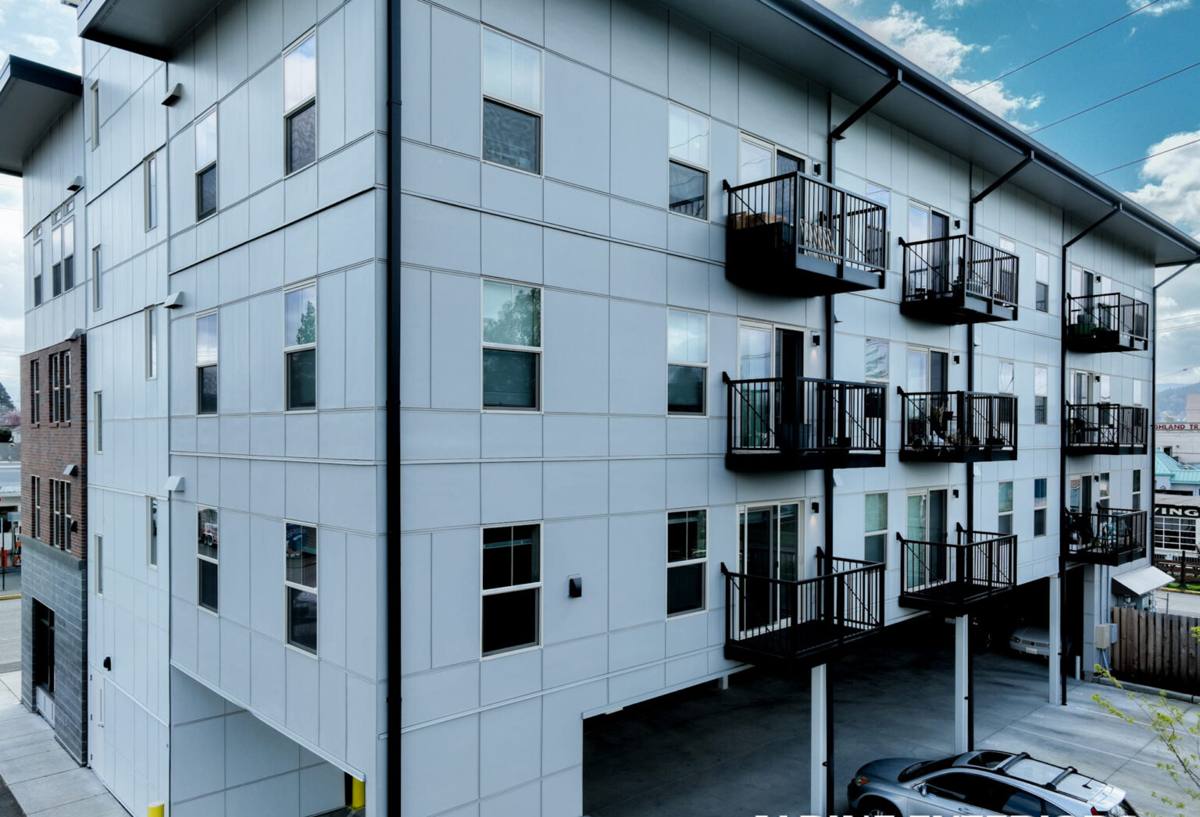
What Whatcom County's Climate Does to Siding Over Time
Every siding material eventually fails. What varies is how it fails, and how much warning you get before it does. In Lynden and the rest of Whatcom County, three climate factors do most of the damage:
Driving Rain
Wind-driven rain doesn't just wet the surface of your siding — it pushes moisture sideways into laps, seams, and fastener points. Over years, that repeated wetting finds any weakness in the siding, the caulking, or the water-resistive barrier behind it. Materials that swell, wick moisture, or hold water against the wall assembly are the ones that eventually rot or delaminate.
A Long Moss and Mildew Season
Western Washington's overcast, damp stretch from fall through spring gives moss, algae, and mildew months to establish themselves on north-facing walls, shaded elevations, and anywhere siding stays wet longer than it should. Once organic growth gets a foothold in a porous or damaged surface, it holds moisture against the substrate and accelerates whatever decay process has already started.
Marine Air and Humidity
Even set back from the water, Lynden sits inside the broader marine climate zone that defines this part of Washington. That means consistently higher ambient humidity than drier inland regions, slower drying times after storms, and more cycles of expansion and contraction in materials that aren't engineered to handle it. It's a gentler version of what coastal Ferndale homes face, but it's the same underlying pattern — steady moisture exposure over decades, not one dramatic event.
Signs a Lynden Home Needs Replacement, Not Repair
Repair makes sense when the damage is isolated and the material underneath is still sound. Replacement becomes the honest recommendation once the damage is systemic — spread across multiple walls, multiple elevations, or hidden behind a surface that looks fine from the driveway. Signs worth taking seriously:
- Paint that's failing repeatedly in the same spots within a couple of years of repainting
- Soft, spongy, or crumbling siding when pressed near the bottom edges or around windows
- Persistent moss or dark streaking that returns quickly after cleaning
- Visible gaps, warping, or buckling in panels or lap siding
- Cracking that follows fastener lines or panel seams rather than random impact damage
- A musty smell or interior moisture signs on an exterior wall
- Siding that's original to a home built more than 20-25 years ago with a material not rated for this climate
If more than one of these shows up on your home, it's worth a walk-around inspection before you spend more money maintaining a system that's already past its useful life.
What a Correct Siding Replacement Job Actually Involves
Siding replacement is not just pulling off old boards and nailing up new ones. Done correctly, it's a full rebuild of the wall's moisture management system, and skipping steps here is exactly how a new siding job ends up with the same problems as the old one within a decade.
Full Tear-Off and Inspection
We remove the old siding down to the sheathing and inspect for rot, soft spots, or existing water damage. This is often the only point in a home's life when the wall assembly is fully visible — it's the right time to catch problems before they're sealed back up for another 20 years.
Water-Resistive Barrier and Flashing
A new, continuous water-resistive barrier goes down correctly lapped, with proper flashing at every window, door, and penetration. In a climate that drives rain sideways into walls, this layer matters as much as the siding itself — it's the backup system that protects the structure even if water gets past the surface material.
Correct Fastening and Clearances
James Hardie fiber cement has specific fastening patterns, nailing zones, and clearance requirements from grade, roof lines, and decks. Installed off-spec, it can still fail prematurely — this is a product where manufacturer installation instructions aren't a formality, they're the difference between a 20-year problem-free wall and callbacks within a few years.
Factory-Finished Color and Caulking
ColorPlus finishes are baked on at the factory under controlled conditions, which is part of why they hold up better than field-applied paint. Correct installation preserves that finish — proper caulking at joints, touch-up only where the manufacturer specifies, and no unnecessary field-painting that voids the finish warranty.
Why We Only Install James Hardie Fiber Cement
We get asked why we don't offer vinyl, LP SmartSide, or other fiber cement brands. The honest answer is that we standardized on one product because it performs consistently in this exact climate, and offering multiple product lines means compromising on installation expertise across all of them.
James Hardie fiber cement is non-combustible, doesn't swell or rot from moisture the way wood-based products can, and holds its factory ColorPlus finish far longer than field-painted alternatives. Hardie also engineers its products by climate zone — the HZ5 line is built for Northern regions like ours that see freeze-thaw cycles layered on top of sustained moisture exposure, rather than a one-size-fits-all national product. That's a meaningful difference for a wall that's going to face Whatcom County winters and wet seasons for decades.
It backs the product with a strong transferable warranty, which matters to Lynden homeowners who may sell before the siding's functional life is up. We'd rather install one product exceptionally well than several products adequately.
Our Siding Replacement Process
- On-site assessment — we walk the exterior with you, check for rot and moisture damage, and give you a straight read on repair versus replacement.
- Written estimate — scope, material, and timeline laid out clearly, no vague allowances.
- Tear-off and sheathing inspection — old siding comes off, and we flag anything unexpected we find underneath before covering it back up.
- Water-resistive barrier and flashing installation — done to current best practice, not just what was there before.
- James Hardie installation — fastened, spaced, and finished to manufacturer specification.
- Final walkthrough — we go over the finished work with you before calling the job done.
Cost Factors for a Lynden Siding Replacement
Every home is different, so we won't quote a number without seeing your house — but these are the variables that actually move the price, in order of typical impact:
| Factor | Why It Matters |
|---|---|
| Home size and wall complexity | More square footage and more corners, gables, and trim details mean more labor and material. |
| Condition of the sheathing underneath | Rot discovered during tear-off adds repair work before new siding can go on — this is common on older Lynden homes and worth budgeting a contingency for. |
| Siding profile and accessories | Lap width, trim boards, and soffit/fascia work all add to material and labor cost. |
| Color and finish | Factory ColorPlus finishes cost more upfront than primed panels but eliminate the recurring cost of repainting. |
| Access and site conditions | Multi-story walls, tight lot lines, or landscaping that limits staging can add labor time. |
Why Hiring a Crew That Already Works in Lynden Matters
Siding installation quality depends heavily on details that are easy to get wrong if you don't do this work in this specific climate every week — how much clearance to leave at grade, how to flash around window trim so driving rain doesn't find its way in, which walls in this region take the worst weathering and deserve extra attention at the seams. A crew that already works Lynden and the surrounding Whatcom County towns has seen how local homes age, knows which older construction details tend to hide moisture problems, and isn't learning the region's weather patterns on your house.
There's also a practical side: a contractor based nearby can respond faster if something needs a look after the job is done, and has a reputation in the community that outlasts any single project. That accountability is worth as much as the material itself.
Ready to Talk About Your Siding?
If your Lynden home's siding is showing its age, we're happy to take a look, give you an honest read on repair versus replacement, and walk you through what a James Hardie installation would involve for your specific house. Use the form below to request a free, no-pressure estimate.