 Ferndale Siding
 Roofing for Sumas Homes, Not Roofing in General
Sumas sits close enough to the water and low enough in the valley that its roofs deal with a specific combination of stress: salt-laden air moving in off the Strait, long stretches of driving rain, and a moss season that can run most of the year in shaded spots. A shingle roof that would hold up fine in a dry inland climate can wear out early here if it wasn't built with these conditions in mind. We're a Ferndale-based crew that works this part of Whatcom County regularly, and this page is about what asphalt shingle roofing actually needs to look like on a home in Sumas — not a generic rundown of shingles.
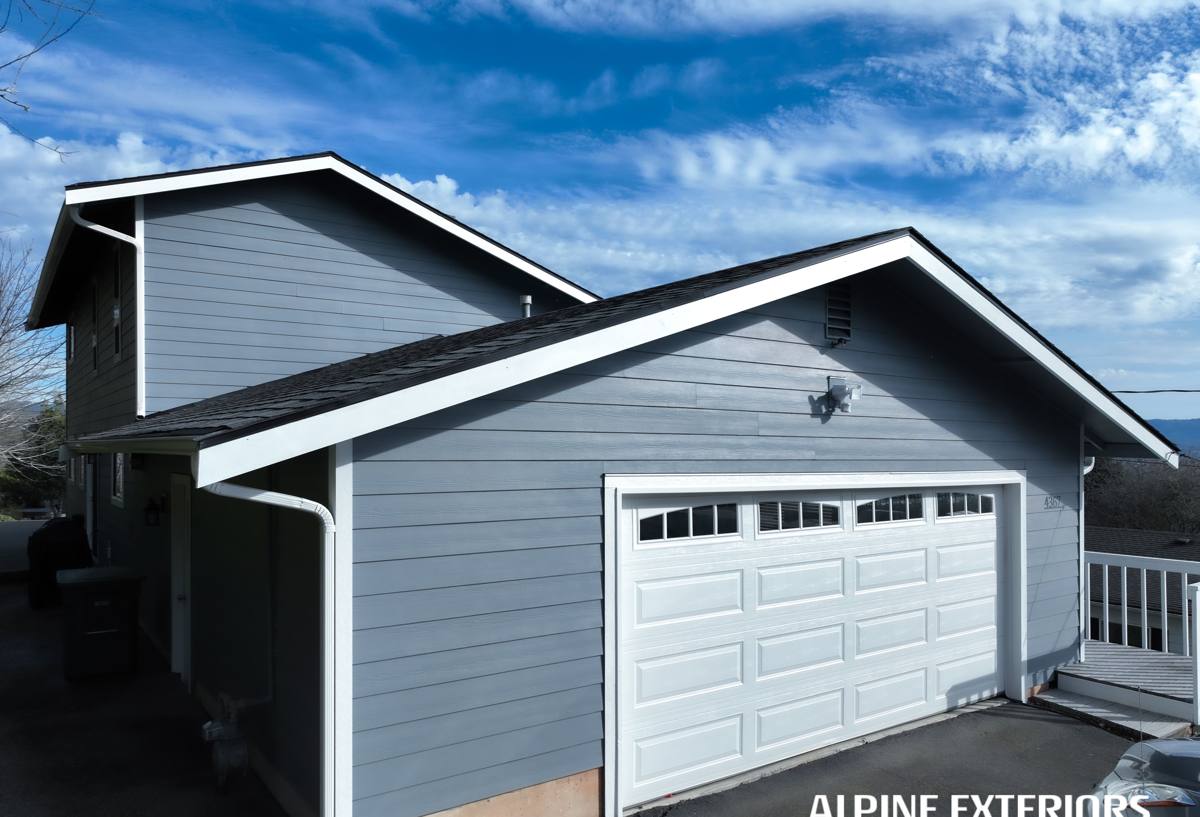
What the Local Climate Actually Does to a Roof
Three things drive most of the roofing calls we get in this area, and they compound each other:
- Salt air: Moisture carrying salt accelerates corrosion on exposed metal — nails, flashing, vent caps, gutter hardware. A fastener or flashing detail that's fine 30 miles inland can rust and fail years sooner here.
- Driving rain: Wind-driven rain doesn't just fall straight down — it pushes sideways and can work its way up under shingle tabs, around chimneys, and along valley lines if the underlayment and flashing aren't installed with that in mind.
- Moss and algae: Cool, damp, shaded roof sections — north-facing slopes, areas under overhanging trees — stay wet longer and grow moss and algae streaking. Left alone, moss lifts shingle edges and holds water against the roof deck.
None of this means asphalt shingles are the wrong choice for Sumas — they're still the most practical, cost-effective roofing material for most homes here. It means the installation details matter more than the shingle brand name on the wrapper.
What a Correct Installation Includes Here
Underlayment and Water Barriers
Given how much wind-driven rain this area sees, we don't treat underlayment as an afterthought. Ice-and-water shield or a comparable self-adhering membrane belongs at eaves, valleys, and around every roof penetration — chimneys, skylights, vent stacks — where wind can force water backward under the shingle field. Synthetic underlayment across the rest of the deck gives a second line of defense if any shingle ever gets compromised.
Flashing That Won't Corrode Early
Given the salt air, we pay close attention to flashing and fastener material and installation quality — properly lapped step flashing at walls and chimneys, correctly formed valley metal, and vent boots that seal fully rather than relying on caulk to make up for a poor fit. Caulk is a maintenance item, not a substitute for correct flashing work.
Ventilation That Fights Moss and Moisture
A roof that breathes properly dries out faster after rain and stays a few degrees cooler and more even in temperature, which slows moss growth and helps shingles last their full service life. Balanced intake at the eaves and exhaust at the ridge is the standard we work to on every reroof, not just an upsell.
Nailing Pattern and Wind Exposure
Correct nail placement and count per shingle — not staples, not high-nailing to save time — is what keeps a roof intact through the area's winter windstorms. This is one of the most common shortcuts on a rushed job, and it's invisible once the roof is finished, which is exactly why it matters who's doing the work.
Signs a Sumas Roof Needs Attention
Because moss and salt exposure work slowly, a lot of homeowners don't notice a problem until it's already caused interior damage. Worth checking for:
- Moss growth building up along shaded slopes, especially near the ridge or under tree cover
- Granules collecting in gutters or at downspout outlets — a sign shingles are wearing down
- Curling, cupping, or lifted shingle edges, particularly on south- and west-facing slopes
- Rust staining below vent caps, flashing, or exposed fasteners
- Dark streaking across the shingle field (algae) rather than isolated moss patches
- Soft spots, sagging, or visible daylight in the attic around vents and chimneys
- Water stains on interior ceilings, especially after a windy rainstorm
Any one of these on its own might just mean routine maintenance. Several together, or a roof that's already past 15–20 years old, usually means it's time for a real inspection.
Shingle Options for This Climate
Most manufacturers now offer algae-resistant shingles — granules treated with copper or a similar compound that slows algae and moss growth. Given how much shade and moisture this area sees, we consider that upgrade worth the modest cost difference on most homes, particularly on north-facing or tree-covered roof sections.
| Shingle Type | Typical Lifespan Here | Best Fit For |
|---|---|---|
| Standard 3-tab | 15–20 years | Budget-focused projects, rental or secondary structures |
| Architectural (laminated) | 25–30 years | Most Sumas homes — better wind resistance and appearance |
| Algae-resistant architectural | 25–30 years, slower discoloration | Shaded or north-facing roofs, homes near mature trees |
| Impact-resistant (Class 4) | 25–30+ years | Homeowners prioritizing durability and possible insurance credit |
We'll walk through which tier makes sense for your specific roof, sun exposure, and budget rather than pushing whatever's easiest to sell. There's no single right answer — a heavily shaded roof and a sun-exposed one have different priorities even on the same street.
Cost Factors Homeowners Should Understand
Every roof quote should be able to explain what's driving the number, not just hand over a total. The main variables we account for:
- Roof size and complexity — number of planes, valleys, dormers, and penetrations
- Pitch and access — steep or hard-to-reach roofs take longer and require more safety setup
- Tear-off scope — one layer versus multiple layers of old roofing to remove and dispose of
- Deck condition — whether plywood or sheathing needs repair once the old roof is off
- Shingle tier and any upgrades — algae-resistant, impact-resistant, or upgraded underlayment
- Ventilation and flashing work — how much new or corrected ventilation and metal work the roof needs
We don't give real numbers over the phone based on square footage alone — too many of these factors only show up once we're actually on the roof.
How We Approach a Sumas Roofing Job
- On-site inspection: We walk the roof (or use a drone where access is limited) and check the attic from inside, since ventilation and moisture problems often show up there first.
- Written estimate: A clear breakdown of scope, materials, and cost factors — not a vague lump sum.
- Tear-off and deck check: Old roofing comes off down to the deck so we can actually see what's underneath rather than roofing over a hidden problem.
- Underlayment and flashing: Ice-and-water membrane at vulnerable areas, correctly lapped flashing, and full underlayment coverage before a single shingle goes down.
- Shingle installation: Manufacturer-specified nailing pattern and exposure, checked as we go rather than at the end.
- Ventilation confirmation: Intake and exhaust balanced for the size of the attic space.
- Cleanup and magnetic sweep: Job site and yard cleared of debris and stray fasteners before we consider the job done.
Why Hiring a Crew That Already Works Sumas Matters
Roofing crews that work throughout Ferndale and the surrounding Whatcom County communities regularly, including Sumas, see the same climate patterns repeat from roof to roof — which slopes hold moss, where wind-driven rain tends to find weak points, how salt air affects certain flashing and fastener choices over time. That familiarity shows up in the details: knowing to double down on valley protection, choosing algae-resistant shingles by default on shaded slopes, and not treating ventilation as optional. A crew unfamiliar with this specific stretch of coastline and county is working from general knowledge instead of local experience.
It also means we're a known, reachable local business if a warranty question or storm-related issue comes up years down the line — not a name from an out-of-area lead-generation service.
Maintenance That Extends the Life of the Roof
A well-installed asphalt shingle roof in this climate still benefits from basic upkeep:
- Keep gutters and downspouts clear so water doesn't back up under the shingle edge
- Trim back overhanging branches to reduce shade, debris, and moss buildup on affected slopes
- Have moss treated or gently removed before it lifts shingle edges — not scraped aggressively, which damages granules
- Schedule a roof check every couple of years, especially after a hard winter storm season
- Address small flashing or vent boot issues promptly, before a minor leak becomes a deck repair
None of this requires a big annual budget — it's mostly about not letting small, cheap-to-fix issues sit until they aren't.
Get a Straight Answer on Your Roof
If your Sumas roof is showing moss, granule loss, or you just want an honest read on how much life it has left, we're happy to take a look. The estimate is free, there's no pressure to sign anything on the spot, and you'll get a clear explanation of what we find and why — good news or not. Fill out the form below and we'll get in touch to schedule a time.