 Ferndale Siding
 Roofing in Lummi Nation Isn't the Same as Roofing Ten Miles Inland
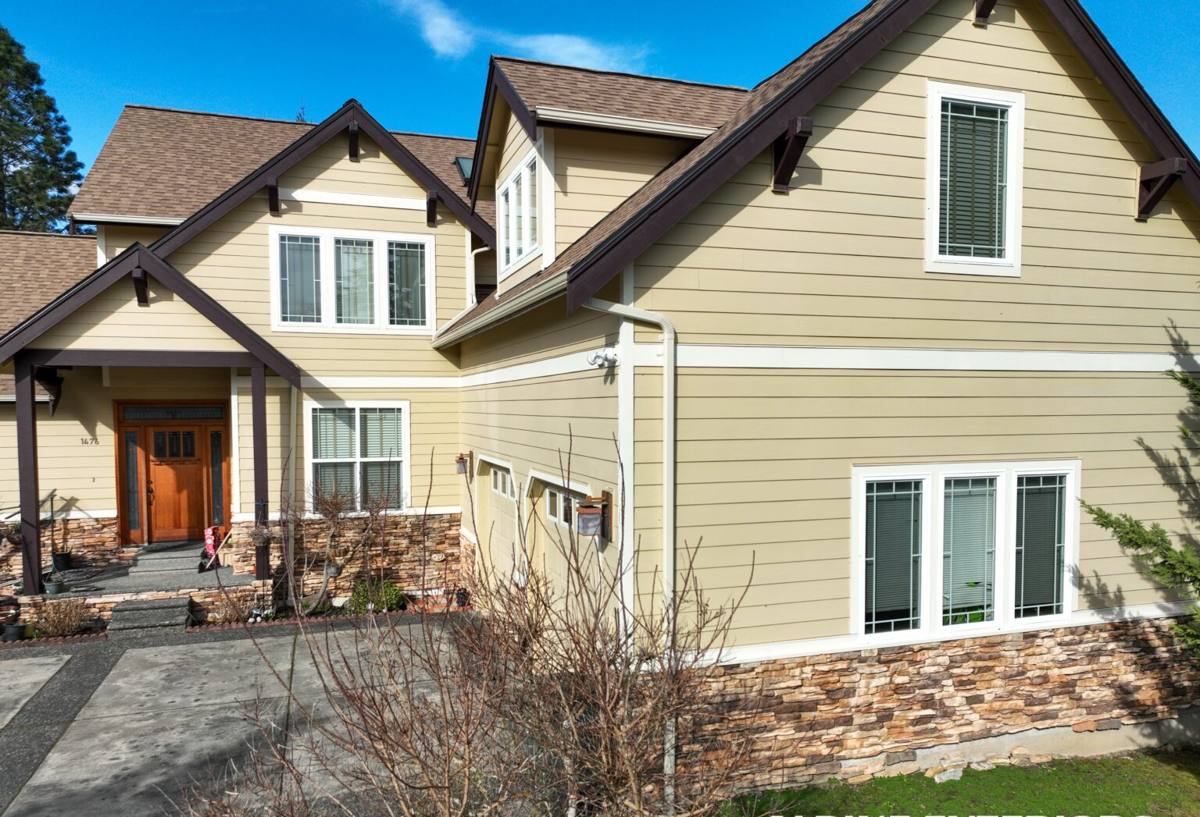
Lummi Nation sits along the water in Whatcom County, just west of Ferndale, and that location changes what a roof has to deal with. Homes here range from waterfront lots facing Bellingham Bay and Lummi Bay to wooded properties tucked back under fir and cedar canopy. Both settings put an asphalt shingle roof through more than a typical inland house sees in the same number of years. Salt-laden air works on metal components, wind-driven rain finds every weak seam, and shade from mature trees keeps roof surfaces damp long after a storm has passed. None of this means asphalt shingles are the wrong choice for this area — they're still one of the most practical, cost-effective roofing systems available. It means the details of the product, the installation, and the ongoing care matter more here than they would somewhere drier and more sheltered.
What the Marine Climate Actually Does to an Asphalt Shingle Roof
Salt Air and Corrosion
Airborne salt from the bay doesn't damage the shingles themselves nearly as much as it damages the metal that supports them. Nails, flashing, vent hoods, and drip edge made from lower-grade or unprotected metal corrode faster in a marine environment than they would inland. Once a fastener or flashing piece starts to rust, it stops doing its job long before it looks obviously broken from the ground. That's why the metal components on a roof matter just as much as the shingle brand printed on the wrapper.
Driving Rain and Wind
Whatcom County storms coming off the water regularly push rain sideways, not just down. A roof that would shed water fine in a calm, straight-down rain can still leak under wind-driven rain if the underlayment, shingle overlap, or flashing details weren't built for that condition. This is especially true around chimneys, skylights, and any place two roof planes meet — the exact spots where a rushed installation cuts corners.
Moss, Shade, and Standing Moisture
Wooded lots around Lummi Nation hold shade and moisture longer than open sites, which is exactly what moss and algae need to take hold. Moss doesn't just look bad — it lifts shingle edges as it grows, holds water against the roof deck, and accelerates granule loss. A roof that stays wet and shaded for long stretches of the year needs both the right shingle product and a maintenance rhythm that keeps growth from establishing in the first place.
Picking the Right Shingle System for This Environment
Architectural vs. 3-Tab Shingles
Architectural (also called dimensional) shingles are heavier, thicker, and rated for higher wind speeds than standard 3-tab shingles. For a home exposed to open water or unbroken wind, that extra weight and the way the tabs are laminated together make a real difference in how long the roof holds up before edges start lifting. 3-tab shingles are lighter, less expensive, and still a reasonable option on a sheltered, tree-protected roof plane where wind exposure is lower.
Algae-Resistant Granules
Most major manufacturers now offer shingles with copper-infused or algae-resistant (AR) granules built to slow the growth of the dark streaking and moss-friendly organisms common in the Pacific Northwest. On a shaded, damp lot, this feature earns its keep. It won't make a roof moss-proof, but it meaningfully slows regrowth compared to a standard granule.
| Feature | 3-Tab Shingle | Architectural Shingle | Impact-Resistant Shingle |
|---|---|---|---|
| Wind rating | Lower | Higher | Higher |
| Expected lifespan (climate-dependent) | Shorter | Longer | Longer |
| Best fit here | Sheltered, tree-protected roof planes | Open, wind- or water-exposed roof planes | Properties wanting extra durability against wind-driven debris |
| Relative cost | Lowest | Mid-range | Higher |
| Algae-resistant granule option | Sometimes | Widely available | Widely available |
What a Correct Installation Actually Involves
Tear-Off vs. Overlay
Installing new shingles over an existing layer is sometimes allowed by code, but on a coastal, high-moisture site it's rarely the right call. Overlaying traps whatever moisture, rot, or damaged decking is already under the old shingles, and it hides problems instead of fixing them. A full tear-off lets us see the actual condition of the roof deck before anything new goes down, which matters more here than in a dry inland climate where hidden rot is less common.
Underlayment and Ice-and-Water Barrier
Underlayment is the roof's real waterproofing layer — the shingles are the first line of defense, but the underlayment is what keeps the house dry if wind-driven rain gets past them. In this area, we pay particular attention to self-adhering ice-and-water barrier at eaves, valleys, and around penetrations, since those are the spots most likely to see water pushed uphill by wind rather than simply running off.
Ventilation
A shingle roof needs balanced intake and exhaust ventilation to let moisture escape from the attic space. On shaded, damp lots, poor ventilation compounds the moss and rot risk from the outside by adding trapped humidity from the inside. Getting the intake-to-exhaust ratio right also protects the shingles themselves — trapped heat and moisture shorten shingle life from underneath, even when the top side looks fine.
Flashing and Penetrations
Step flashing at walls, counter-flashing at chimneys, and properly sealed boots at every pipe and vent are where most real-world leaks start. Corrosion-resistant metal, correctly lapped with the underlayment and shingle courses, is non-negotiable in a marine-air environment — this is one of the areas where cutting cost up front costs far more later.
Our Process, Start to Finish
- Inspection and estimate — We walk the roof (or use safe alternative methods when pitch or access requires it), check the deck, flashing, and ventilation, and give a written estimate with no pressure to decide on the spot.
- Material selection — We talk through shingle class, color, and algae-resistant options based on your roof's sun and wind exposure, not a one-size-fits-all recommendation.
- Scheduling around the weather — Roofing work depends on dry windows. We plan tear-off and installation days around the forecast so the deck isn't exposed longer than necessary.
- Tear-off and deck inspection — Old material comes off, the deck is inspected and any damaged sheathing is replaced before anything new goes on.
- Underlayment, flashing, and shingle installation — Installed in the sequence and overlap pattern the manufacturer specifies, with extra attention to valleys, eaves, and penetrations.
- Cleanup and walkthrough — Magnetic sweep for nails, full site cleanup, and a walkthrough so you know exactly what was done and what to expect going forward.
- Paperwork — Warranty registration and documentation handed over, not left for you to chase down later.
Maintaining a Shingle Roof on Wooded and Waterfront Lummi Nation Lots
A well-installed roof still needs some upkeep in this climate, especially under tree cover or near open water. A short annual routine goes a long way toward getting full life out of the roof:
- Clear needles, leaves, and debris from valleys and behind chimneys where they trap moisture
- Keep gutters flowing so water doesn't back up under the shingle edge
- Trim overhanging branches to cut down on shade, debris, and moss-friendly conditions
- Have moss treated before it spreads, rather than after it's visibly lifting shingles
- Check and re-seal pipe boots and flashing sealant every few years, since sealant degrades faster in salt air than the shingles themselves
- Have the roof looked at after any major windstorm off the water, even if nothing looks obviously wrong from the ground
Signs Your Roof Needs Attention Now
Some warning signs are easy to miss from the ground, especially on a shaded roof plane. Worth a call if you notice:
- Dark streaking or visible moss patches, particularly on north-facing or shaded slopes
- Granules collecting in gutters or at downspout outlets
- Shingle edges that look curled, lifted, or cracked
- Rust staining below metal flashing or vent pipes
- Any water stains on interior ceilings after a windy rainstorm
- Daylight visible through the attic roof deck
Why Hiring a Crew That Already Works This Area Matters
Roofing crews that mostly work drier, more sheltered inland jobs don't always adjust their default specs for wind-driven rain, salt exposure, or heavy shade — they build to a general code minimum instead of to the conditions a specific roof actually faces. Working regularly around Ferndale and the surrounding Whatcom County waterfront means knowing which roof planes need the heavier shingle class, where ice-and-water barrier needs to extend further than the code minimum, and how access and staging work on wooded or waterfront lots without unnecessary damage to landscaping. It also means understanding the practical realities of scheduling around this area's rain patterns, so a tear-off doesn't sit exposed longer than it should.
If you're weighing a repair, a full replacement, or just want an honest read on how much life is left in your current roof, we're glad to take a look. The estimate is free, there's no pressure, and you'll get a straight answer about what your roof actually needs — nothing more, nothing less. Use the form below to get started.