 Ferndale Siding
 Window Installation Built for Blaine's Coastal Conditions
Blaine sits right on the water at the top of Whatcom County, and that location shapes everything about how windows perform there. Homes a few blocks from Semiahmoo Bay or Drayton Harbor take on a different kind of weather than homes further inland — salt-laden air, wind-driven rain that hits windows sideways instead of straight down, and a wet season that stretches long enough to grow moss on anything that stays damp. Windows are one of the first things on a house to show that wear, usually years before most homeowners expect it. We're a Ferndale-based crew that works Blaine regularly, and this page covers what local homes actually need from a window installation, what a correct job looks like, and how we handle it.
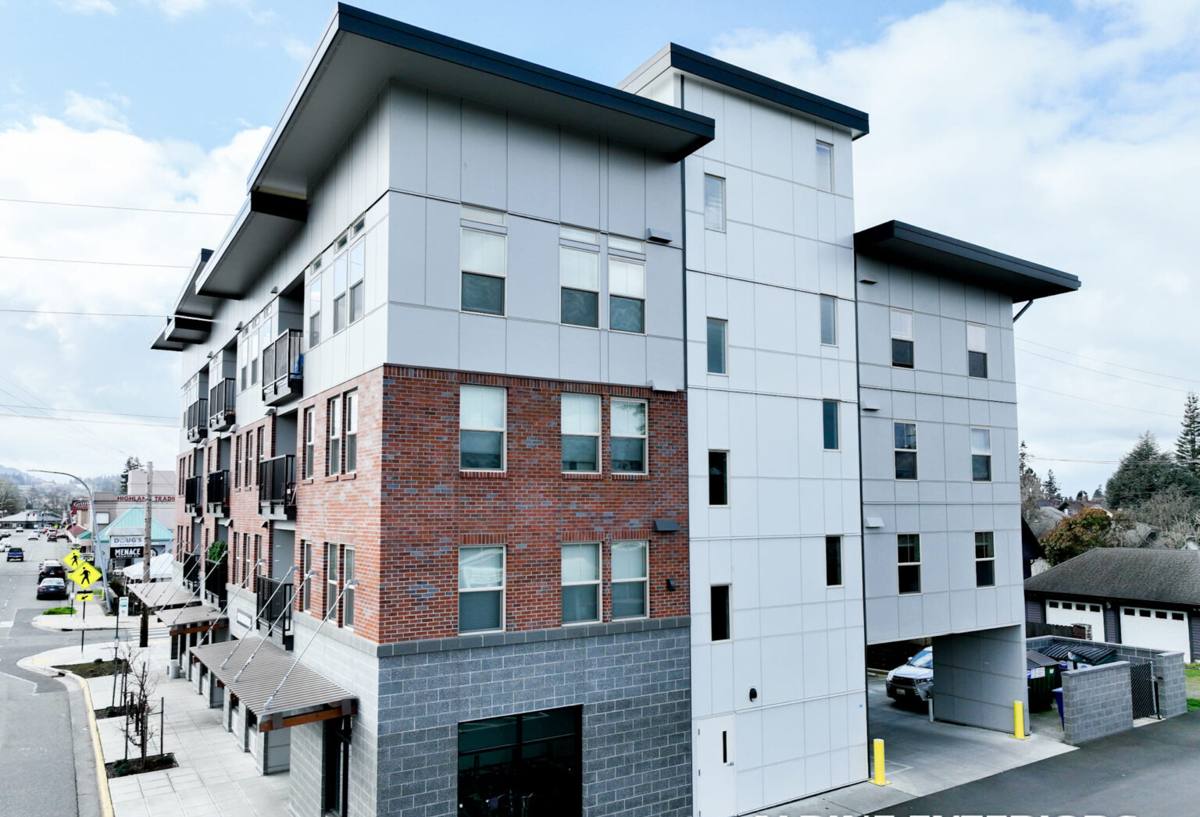
What Blaine's Climate Does to Windows Over Time
Salt Air and Metal Components
Salt air accelerates corrosion on anything metal — window hardware, screen frames, and especially older aluminum sashes or frames. Locks stick, cranks seize up, and hinges corrode faster near the water than they would ten or fifteen miles inland. This is a real factor in material choice, not a scare story: it's simply why hardware quality and frame material matter more on a Blaine install than they might in a drier, inland part of the county.
Wind-Driven Rain
Rain that comes in at an angle, pushed by wind off the water, tests a window's water management in ways that a calm, straight-down rain never does. A window that's watertight in a gentle shower can still leak during a wind-driven storm if the flashing and sill pan weren't installed correctly. This is the single biggest cause of hidden water damage we see in window installations along the coast — not bad windows, but water management details that were skipped or done wrong the first time.
The Long Moss and Moisture Season
Whatcom County's wet season runs long, and anywhere moisture sits — window sills, the bottom of a frame, gaps in old caulking — moss and mildew get a foothold. Beyond looking bad, that trapped moisture works its way into wood trim and sheathing over time. A properly installed and sealed window sheds water instead of holding it, which matters more here than in drier climates.
What a Correct Window Installation Actually Involves
A window installation is not just removing an old window and screwing a new one into the opening. The parts that actually determine whether a window performs for the next 20+ years are the ones you can't see once the trim goes back on.
| Step | Done Right | Common Shortcut |
|---|---|---|
| Rough opening prep | Old sealant, rot, and debris fully removed; opening checked for square and level | New window forced into an out-of-square opening, stressing the frame |
| Sill pan / flashing | Sloped sill pan and flashing tied into the house wrap so water sheds outward | No sill pan, or flashing that isn't integrated with the wall's water barrier |
| Air and water sealing | Backer rod and quality sealant at the exterior, low-expansion foam at the gap, interior air seal | Caulk smeared over gaps as the only seal |
| Fastening | Shimmed and fastened per manufacturer spec so the sash operates smoothly | Screwed in without shimming, causing binding or bowing |
| Trim and finish | Exterior trim and caulk lines finished to shed water, interior trim reset cleanly | Trim reinstalled over gaps without resealing |
Every one of those "done right" steps costs a little more time. On a Blaine install, skipping any of them shows up faster than it would somewhere drier — usually as a leak, a fogged pane, or soft trim within a few wet seasons.
Choosing Windows for a Blaine Home
There's no single "best" window for every house — it depends on the home's age, exposure to the water, and budget. What we can tell you honestly is how the common frame materials hold up in this specific climate.
| Frame Material | How It Handles This Climate | Trade-Off |
|---|---|---|
| Vinyl | Won't corrode from salt air; good insulation value; low maintenance | Can't be painted a new color later; quality varies a lot between manufacturers |
| Fiberglass | Very stable in temperature swings and coastal moisture; strong, thin frames | Higher upfront cost than vinyl |
| Aluminum | Strong and slim sightlines | Conducts cold and is more prone to corrosion near salt air unless properly clad or coated |
| Wood / wood-clad | Classic look, good insulator | Needs consistent upkeep on exposed surfaces; more vulnerable in wind-driven rain if maintenance lapses |
For homes close to the water in Blaine, we lean toward vinyl or fiberglass for most projects because they hold up with the least maintenance against salt air and moisture. That said, if a homeowner wants a wood-look window on a home where it fits the style, we'll install it correctly and be upfront about the maintenance commitment that comes with it — that's a decision for the homeowner to make with full information, not a call we make for them.
How We Approach a Window Installation Job
- On-site assessment. We look at existing window condition, the wall assembly behind them where visible, and any signs of past water intrusion before quoting anything.
- Measuring and ordering. Exact measurements per opening — no two openings in an older home are usually identical, even if the windows look the same size.
- Removal and opening prep. Old windows come out carefully, and we address anything we find behind them — soft wood, missing flashing, old sealant — before the new window goes in.
- Flashing and sill pan installation. This is the step that determines long-term water performance, and it's not optional or skippable on our jobs.
- Setting, shimming, and fastening the window. Set level, plumb, and square, then fastened per the manufacturer's requirements so warranty coverage stays intact.
- Sealing. Exterior sealant and interior air sealing, sized and applied for a coastal wind-and-rain climate, not a generic bead of caulk.
- Trim and cleanup. Interior and exterior trim reset or replaced, and the site cleaned up — old windows and debris hauled off.
- Walkthrough. We test operation on every window and walk the homeowner through anything they should know about care going forward.
Signs Your Blaine Home's Windows Need Attention
- Fogging or condensation between panes (seal failure inside the glass unit)
- Drafts you can feel near the frame on windy days
- Soft, discolored, or moss-covered trim around the window
- Windows that are hard to open, close, or lock — especially on aluminum-framed units
- Visible gaps in old exterior caulking or sealant
- Water stains on interior sills or the wall below a window
- Noticeably higher heating bills without another clear cause
Any one of these on its own isn't necessarily an emergency, but they're worth having looked at before the next wet season, not after.
Why a Local Ferndale Crew Working Blaine Matters
Window installation quality depends a lot on whether the crew understands the specific conditions a house is exposed to. A crew that regularly works Blaine and greater Whatcom County has seen how salt air ages hardware, how wind-driven rain finds gaps that a calmer climate would never expose, and how long the moss season really is here. That's not something you get from a general install checklist — it comes from doing this work repeatedly in this exact area. We're based in Ferndale, we work Blaine regularly, and we stand behind our own installation work because we're a phone call away, not a crew that drove in from out of the region for one job.
Cost Factors on a Blaine Window Installation
| Factor | Why It Affects Cost |
|---|---|
| Number of windows | More openings mean more labor and material, though per-window cost often drops slightly on larger jobs |
| Frame material | Fiberglass generally costs more upfront than vinyl; aluminum and wood-clad vary by product line |
| Condition behind the old window | Rot, missing flashing, or out-of-square openings add repair time before the new window can go in |
| Window size and type | Larger units, custom shapes, or operable styles like casements cost more than standard double-hungs |
| Trim and finish work | Matching existing trim profiles or repainting exterior trim adds labor beyond the window itself |
We won't quote a firm number without seeing the openings in person, since the condition behind the old window is often the biggest variable — but we'll always explain what's driving the price before any work starts.
Caring for New Windows in This Climate
New windows still need a little seasonal attention here. Rinsing salt residue off frames and glass a few times a year, especially after storms, keeps hardware working smoothly longer. Checking exterior caulk lines each fall before the wet season sets in catches small gaps before they become leaks. And keeping gutters and downspouts clear nearby matters too — a lot of window-adjacent water damage actually starts with water that had nowhere else to go and ran down the wall instead.
If your Blaine home's windows are drafty, fogged, hard to operate, or just due for an honest look, we're glad to come take a look and give you a straightforward, no-pressure estimate — use the form below to get started.