 Ferndale Siding
 Building a Deck That Actually Holds Up in Cordata
A deck in the Cordata area has to do more than look good for a summer barbecue. It has to survive nine months of Whatcom County drizzle, shrug off the salt-laden air that drifts in off the Sound, and keep its footing when moss and algae turn every horizontal surface slick. We've built and repaired enough decks in this corner of the county to know that the decks which fail early almost never fail because of bad luck — they fail because they were built to a generic spec instead of a spec that matches this climate.
This page is about one job, done right, for one type of property: custom deck construction for homes in and around Cordata. Not a national franchise checklist. What follows is the thinking we actually apply when we're standing in your backyard with a tape measure.
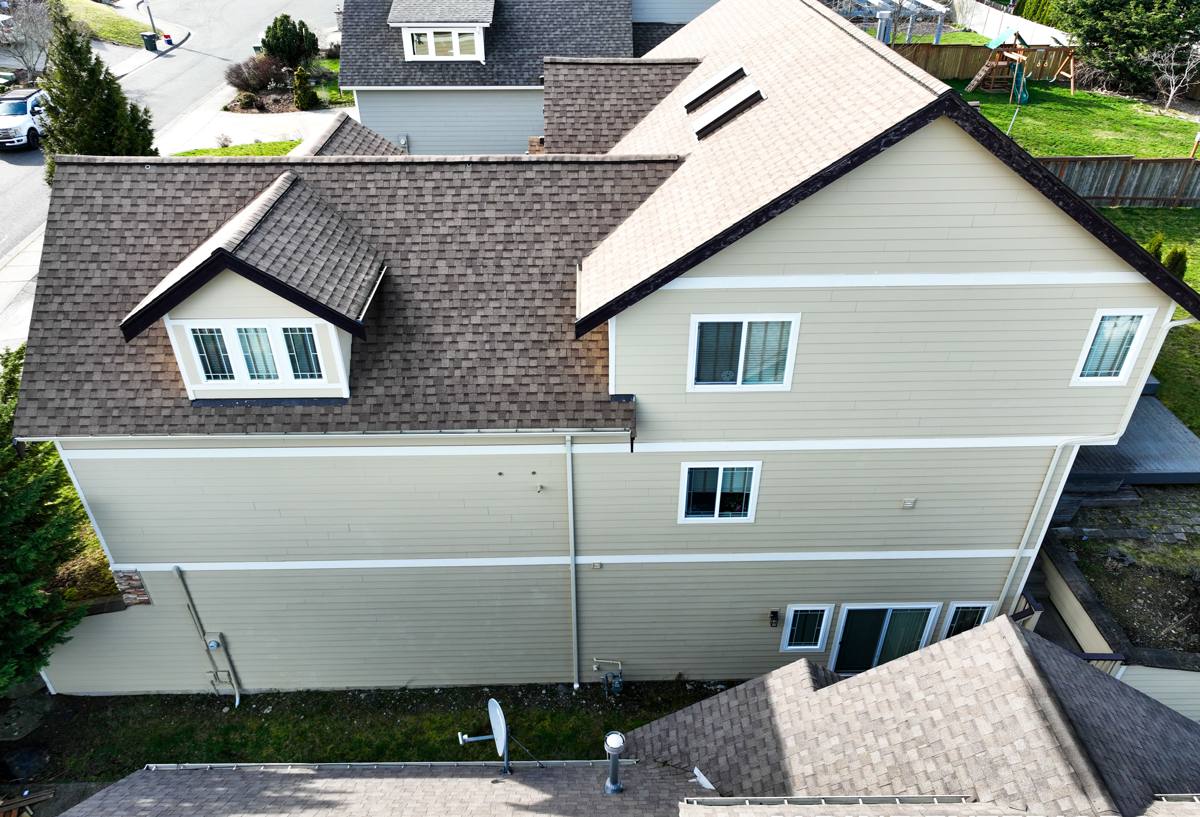
What This Climate Really Does to a Deck
Most homeowners underestimate how much the Pacific Northwest coastal climate shortens the life of an unsuited deck. Three things matter most here:
Driving Rain
It's rarely a straight-down rain in this part of Washington — wind pushes it sideways, which means water gets forced under railings, into end-grain cuts, and behind ledger boards that weren't flashed correctly. A deck that's fine in a dry climate can rot from the inside out here within a few seasons if the water management details were skipped.
A Long Moss Season
Shaded yards, tree cover, and months of damp weather add up to a moss and algae season that can run from fall through spring. On the wrong decking material, that turns into a surface that's not just unsightly but genuinely dangerous underfoot — algae on wood or the wrong composite is one of the more common reasons we get called for a fall.
Salt Air
Homes in the Cordata area that catch marine air off the Sound deal with a slow, steady corrosion problem most homeowners never think about until a railing post starts staining or a fastener head snaps off. Salt air accelerates rust on standard hardware and can discolor lower-grade metal railing systems years before they'd fail elsewhere in the state.
Framing and Footings: Where a Deck's Lifespan Is Actually Decided
The decking boards get all the attention, but the framing underneath is what determines whether a deck lasts 10 years or 30. In this climate, that means:
- Footings sized and set below frost depth with correct drainage around them, not just poured into whatever soil condition we find first
- Ledger board attachment properly flashed against the house so wind-driven rain can't wick behind it into your rim joist
- Pressure-treated or naturally rot-resistant framing lumber rated for ground contact where it's within a few inches of grade
- Joist tape or a comparable moisture barrier on top of every joist, since standing water under decking boards is what actually rots framing
- Hot-dip galvanized or stainless structural hardware — standard electro-galvanized connectors corrode faster than most people expect once salt air is in the mix
None of this is visible once the deck is finished, which is exactly why it's the part most likely to get shortcut by a crew in a hurry. It's also the part that determines whether you're dealing with a squeaky, sagging deck in a decade or a solid one in thirty years.
Choosing a Decking Material for a Wet, Mossy, Salt-Exposed Yard
There's no single "best" decking material — there's a best material for your yard's sun exposure, your maintenance appetite, and your budget. Here's how the common options actually perform under Whatcom County conditions:
| Material | Moss & Algae Behavior | Maintenance | Typical Lifespan Here |
|---|---|---|---|
| Pressure-treated wood | Needs regular cleaning and sealing to resist growth; porous surface holds moisture | Annual cleaning, re-sealing every 2-3 years | 10-15 years with upkeep |
| Cedar | Naturally more rot-resistant but still needs sealing in shaded, damp spots | Cleaning plus periodic oil or sealer | 15-20 years with upkeep |
| Composite (capped) | Resists moisture absorption; still needs periodic washing where shaded | Occasional wash, no staining or sealing | 25-30+ years |
| PVC decking | Best moisture resistance of the group; low organic growth on most boards | Occasional wash | 25-30+ years |
We don't push everyone toward composite or PVC — plenty of Cordata homeowners want the look and feel of real wood and are happy to keep up with sealing on a schedule. What we do insist on is being honest about the maintenance trade-off up front, because a wood deck that gets neglected in this climate will show it faster than almost anywhere else in the state.
Railings, Fasteners, and Hardware That Won't Let You Down
Salt air is unforgiving to cheap metal. On every custom deck we build near the water side of Whatcom County, we spec hardware and railing systems with that in mind rather than defaulting to whatever's cheapest at a big-box supplier.
- Structural fasteners and joist hardware rated for coastal or treated-lumber exposure, not standard interior-grade hardware
- Railing systems in materials that won't pit or stain — powder-coated aluminum and quality composite balusters hold up noticeably better than bare or lightly coated steel
- Stainless or coated screws for surface-mounted decking, since exposed fastener heads are the first thing to show corrosion
- Post bases and connectors kept clear of standing water and debris so moss doesn't get a foothold right at the point where corrosion starts
How We Approach a Custom Deck Project in Cordata
1. On-Site Assessment
We walk the yard, check drainage patterns, note sun and shade exposure, and look at how the deck will tie into the house — including where existing siding, trim, or a walkout door will need flashing work.
2. Design and Material Selection
We talk through layout, decking material, and railing style based on your budget and how much maintenance you actually want to sign up for, not just what looks best in a brochure.
3. Permitting
Most new decks and many substantial rebuilds require a permit through the local building department. We handle that process rather than leaving it on your plate, and we build to the code requirements that apply to your specific property.
4. Framing and Structural Work
This is where the footings, ledger flashing, and structural hardware described above actually get installed — the part of the job that doesn't show but matters most.
5. Decking, Railing, and Finish Work
Boards, railings, stairs, and any fascia or skirting go on last, with attention to fastener spacing and drainage gaps so water sheds instead of pooling.
6. Walkthrough
We go over the finished deck with you, including what maintenance schedule makes sense for the material you chose and this specific yard's sun and moisture exposure.
Permits and Local Requirements
Deck projects in Whatcom County typically fall under local building code requirements tied to height above grade, structural attachment to the home, and guardrail specifications once a deck reaches a certain elevation. Requirements can vary depending on your exact property and whether you're in city limits or unincorporated county land near Ferndale. We check what applies to your specific lot before we design anything, so you're not stuck redesigning a deck mid-project because of a guardrail height or footing depth requirement we should have caught up front.
Keeping a Cordata Deck Healthy Year-Round
Even a well-built deck needs some seasonal attention in this climate. Here's the basic maintenance checklist we give homeowners after a build:
- Sweep leaves and debris off the deck regularly in fall — trapped organic matter is what feeds moss growth
- Clean the surface at least once a year with a deck-safe cleaner to knock back algae before it gets established
- Check railing posts and fastener heads annually for early rust or staining, especially if your yard gets direct exposure to marine air
- Keep gutters and downspouts near the deck clear so runoff isn't dumping extra water onto the structure
- Reseal wood decking on the schedule appropriate to the product — don't wait until it's visibly graying
- Check under the deck once a year for standing water or debris buildup around footings and post bases
Why It Matters That We Already Work This Area
A crew that mostly builds decks in drier parts of the state will default to specs that work fine there and fall short here. Working regularly in and around Ferndale and communities like Cordata means we already know which framing details fail first in this rainfall pattern, which hardware actually resists this area's salt exposure, and which decking materials genuinely stand up to a long moss season rather than just claiming to on a spec sheet. That local track record is worth more than a lower bid from a crew that's building to a different climate's standards.
If you're planning a new deck or replacing one that's showing its age, we're happy to come take a look and put together a straightforward, no-pressure estimate — just fill out the form below.