 Ferndale Siding
 Roof Repair in Cordata: A Job That's Different Near the Coast
Cordata sits close enough to the water and to Whatcom County's marine weather patterns that roofs here age differently than roofs fifty miles inland. Salt-laden air corrodes exposed metal faster, driving rain off the Strait finds every weak seam and nail hole, and a long, damp moss season keeps roof surfaces wet for months at a stretch. A roof repair here isn't just patching a leak — it's addressing the specific way this climate attacks a roof, then making sure the fix survives the next wet season instead of just the next storm.
This page covers roof repair specifically for homes in and around Cordata. If you're dealing with a stain on a ceiling, a shingle that lifted in the last windstorm, or moss that's crept past "cosmetic" and started holding water against your roof deck, this is what we look at, what a correct repair actually involves, and how we handle these calls.
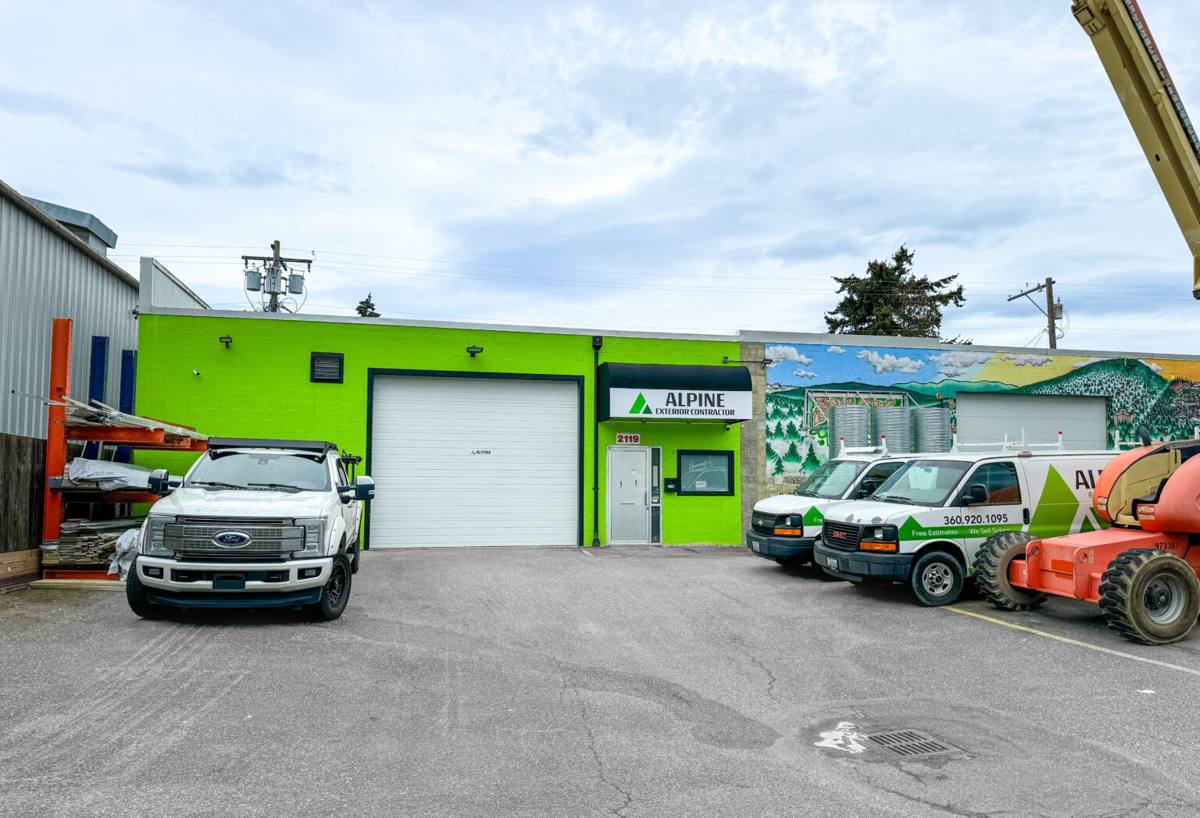
How Local Weather Wears Down a Cordata Roof
Driving Rain and Wind
Whatcom County storms rarely come straight down. Wind off the water pushes rain sideways, which means water gets tested at every horizontal surface, lap, and penetration on a roof — not just the open field of shingles or panels. Flashing around chimneys, skylights, vent pipes, and roof-to-wall transitions takes the brunt of it. When flashing was installed a little short, sealed instead of properly lapped, or has simply corroded thin over the years, driving rain will find that gap long before a light, straight-down rain ever would.
Moss and Sustained Moisture
Cordata's tree cover and the region's mild, wet winters give moss exactly what it needs: shade, moisture, and time. Moss doesn't just look bad — it holds water against the roofing material long after a normal rain would have dried off, and as it grows it can lift shingle edges and work into seams. On older composition roofs especially, thick moss growth accelerates granule loss and shortens the life of the roof. A repair that patches a leak but leaves heavy moss in place is a repair that's going to be revisited.
Salt Air and Metal Components
Even a few miles inland from the water, salt-laden air speeds up corrosion on exposed metal — flashing, fasteners, vent caps, gutter hardware. Corroded fasteners back out or lose their grip, and pinholed flashing stops shedding water the way it's supposed to. It's a slower failure mode than a storm-torn shingle, which is exactly why it gets missed until it's already caused a leak.
Signs a Cordata Roof Needs Repair
Most roof problems here show up as small clues well before there's a leak inside the house. Worth checking for, especially after fall and winter storms:
- Dark streaking or moss patches on north-facing or shaded slopes
- Granules collecting in gutters or at downspout outlets
- Shingles that look curled, cupped, or lifted at the edges
- Rust streaks below metal flashing or vent caps
- Soft spots or slight sagging when walked (we check this, not homeowners)
- Ceiling stains, especially near chimneys, skylights, or where two roof planes meet
- Daylight visible through the roof deck from inside an attic
- Gutters overflowing during rain even when they aren't visibly clogged
None of these guarantee a major problem, but any of them are worth a look before the next wet season, not after.
What a Correct Roof Repair Involves
Diagnose the Cause, Not Just the Symptom
A stain on a ceiling can come from a source several feet away from where it shows up, since water travels along the underlayment or framing before it drips. Patching the spot directly above the stain without tracing the actual entry point is one of the most common ways a "repaired" roof leaks again in the next storm. We start by finding where water is actually getting in — flashing, a fastener, a failed seal, a wind-lifted shingle — before we touch anything.
Flashing and Penetrations First
Given how much of Cordata's roof damage traces back to driving rain finding a weak transition point, flashing gets particular attention: chimney flashing, skylight flashing, plumbing vent boots, and roof-to-wall step flashing. Vent boots especially are a common failure point — the rubber collar cracks with age well before the surrounding roofing material wears out, and it's an easy thing to miss on a quick visual check from the ground.
Matching Materials, Not Just Covering the Hole
A repair that uses mismatched shingles, the wrong flashing metal, or incompatible sealant creates a new weak point even if it stops today's leak. We match the existing roofing material where possible, use flashing metal and fasteners suited to a marine-influenced climate, and avoid relying on sealant or roofing cement as a long-term fix in place of proper flashing and shingle work.
Address the Moss, Not Just the Leak
If moss contributed to the problem, a repair that ignores it is temporary. That usually means careful moss removal (not aggressive scraping that damages granules or the roof surface), clearing debris from valleys and gutters, and talking through longer-term moss control options for shaded slopes.
Repair vs. Replacement: How We Help You Decide
Not every roof problem in Cordata needs a full replacement, and not every leak is safely fixed with a patch. The honest answer depends on the roof's age, how widespread the damage is, and what's underneath the surface layer.
| Factor | Leans Toward Repair | Leans Toward Replacement |
|---|---|---|
| Roof age | Under 12–15 years, materials still in good shape overall | At or past expected lifespan for the material |
| Extent of damage | Isolated to one area, valley, or flashing point | Multiple slopes affected, widespread granule loss or curling |
| Deck condition | Deck is solid, no soft spots or rot | Soft decking or sagging found during inspection |
| Leak history | First occurrence, clear single cause | Repeat leaks in different spots over recent years |
| Moss/organic growth | Light to moderate, treatable | Heavy, long-term growth with granule loss underneath |
We'll always tell you plainly which side of that table your roof falls on, and why — including if a repair is the right call even though a replacement would be a bigger job for us.
Our Process for a Cordata Roof Repair Call
- Inspection. We look at the roof surface, flashing, penetrations, gutters, and — where accessible — the attic side, since interior signs often tell us as much as the roof itself.
- Diagnosis and explanation. We walk you through what we found, what's causing it, and what it will take to fix — in plain terms, before any work starts.
- Written estimate. A clear scope and price, so you know what you're approving.
- Repair work. Matching materials, proper flashing technique, and attention to the specific failure point rather than a surface patch.
- Cleanup and check. We clear debris, check gutters and downspouts near the repair area, and confirm the fix before we consider the job done.
Why a Crew That Already Works Cordata Matters
Roofing crews who work Whatcom County regularly know what this specific climate does to a roof over time — which flashing details tend to fail first in driving rain, which slopes in this area hold moss longest, and what corrosion actually looks like on a five-year-old vent boot versus a fifteen-year-old one. That's the kind of judgment that only comes from working these roofs repeatedly, not from a general roofing checklist. It also means a faster, more accurate diagnosis, because we're not guessing at how local weather patterns behave — we've seen the results of them on roofs near yours.
It also matters for scheduling. Roof leaks tend to show up during or right after storms, when driving rain has just tested every weak point on a roof. A crew already working in the area can generally get to a Cordata roof call faster than one coming from across the county.
Maintenance That Extends a Repair's Life
A good repair lasts longer with basic upkeep in between visits. Worth doing on a regular schedule, especially given Cordata's tree cover and moisture:
- Clear gutters and downspouts at least twice a year, more often under heavy tree cover
- Remove debris from valleys where leaves and needles collect and hold moisture
- Address moss while it's light, before it thickens and lifts shingle edges
- Have flashing points checked periodically, since corrosion and seal failure happen gradually and quietly
- Walk the roofline visually after major windstorms for lifted or missing shingles
Get a Straight Answer on Your Cordata Roof
If you're not sure whether what you're seeing is a minor repair or the start of something bigger, the fastest way to find out is to have it looked at. We'll give you a clear, no-pressure estimate — what we found, what we'd recommend, and why — so you can make the call with real information instead of guessing. Use the form below to request a free estimate.