 Ferndale Siding
 Windows Built for a Salt Air Coastline
Fairhaven sits close enough to Bellingham Bay that salt air is a fact of life, not an occasional nuisance. Combine that with the driving rain that rolls off the water for much of the year and the long moss season that follows, and you have three separate forces working against every window in a home at once. Salt air accelerates corrosion in hardware and fasteners. Wind-driven rain finds any weak point in flashing or sealant and pushes water sideways, not just down. And moss holds moisture against wood trim and sills long after the rain has stopped, which is exactly the condition wood rot needs to get started.
None of this means windows in this area are doomed to fail early. It means the installation has to account for conditions that a lot of standard window work doesn't plan for. That's the difference between a window that looks fine for a year or two and one that actually performs for the next fifteen or twenty.
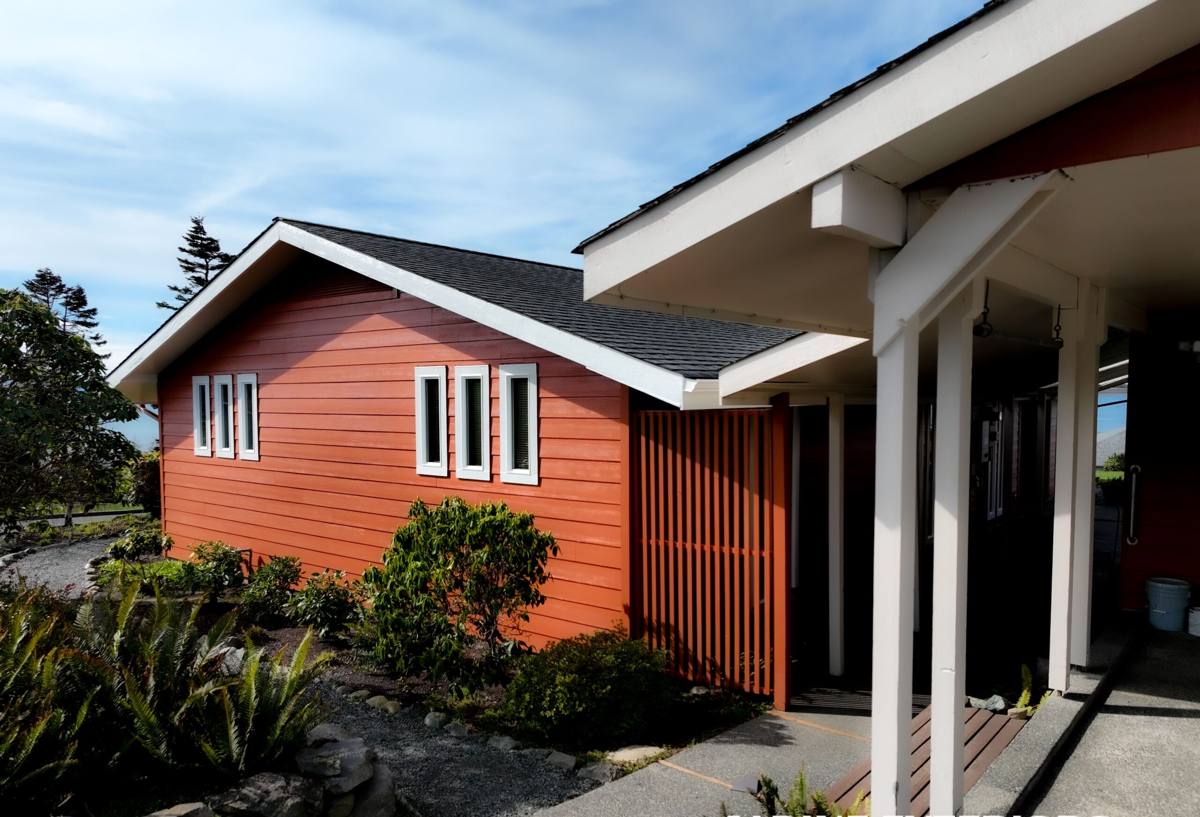
How Coastal Exposure Shows Up in Older Windows
Before talking about new installations, it's worth knowing what to look for in the windows you already have. In homes throughout Whatcom County's coastal neighborhoods, we see the same failure patterns again and again:
- Corroded or stiff hardware — locks, cranks, and hinges that used to move smoothly but now stick or won't fully latch
- Fogging or moisture between the panes of a double-pane window, which means the seal has failed and the gas fill is gone
- Soft or discolored wood at the sill or lower corners of the frame, often where moss or debris has been sitting against it
- Drafts you can feel with a hand near the frame on a windy day, even when the window is fully latched
- Paint or finish that's bubbling or peeling specifically on the weather-facing side of the house
- Sashes that have swollen and stick when opening, then shrink and rattle once the wood dries out again
Any one of these is worth a look. A few of them together usually means the window's ability to keep water out has already been compromised, even if it doesn't look dramatic from inside the house.
What a Correct Custom Window Job Actually Involves
"Custom" doesn't just mean a non-standard size. It means the window is specified and installed to match the specific wall assembly, exposure, and style of that particular home — which matters more in a wind- and rain-exposed area than it does further inland.
Frame Material Choices
There's no single "best" material for every home — the right choice depends on the home's age, style, and how much upkeep the owner wants to take on. Here's how the common options actually compare for this climate:
| Frame Material | Moisture Behavior | Maintenance | Best Fit |
|---|---|---|---|
| Vinyl | Won't rot; seams and welds are the weak point if not done well | Low — occasional cleaning | Budget-conscious replacements, newer construction |
| Fiberglass | Very stable, minimal expansion/contraction with weather swings | Low | Larger openings, higher-exposure walls |
| Wood-clad | Exterior clad protects the wood, but any cladding breach lets moisture into the core | Moderate — watch cladding joints | Historic or traditional-style homes where wood interior trim matters |
| Solid wood | Handsome but needs consistent finish upkeep in salt air | High | Character homes where owners are committed to maintenance |
We install a range of these depending on the home. Our job is to tell you honestly which one fits your specific wall, exposure, and maintenance appetite — not to push whatever's easiest to sell.
Flashing and Water Management
This is the part of the job nobody sees once it's done, and it's the part that determines whether the window is still watertight in ten years. In a wind-driven rain climate, water doesn't just run down the face of a wall — it gets pushed up and sideways under trim and siding. A correct install uses proper head flashing above the window, a sloped sill pan that directs any water that gets past the frame back outside the wall assembly, and sealant used to shed water at the right points — not as a substitute for physical flashing. Skipping or shortcutting this step is the single most common cause of hidden rot behind window openings.
Glass and Energy Performance
Double-pane, low-E glass is the standard now for a reason — it cuts heat loss and reduces condensation on the interior glass surface during our cold, damp winters. For west- and south-facing exposures that catch more direct weather, we also talk through gas fill options and spacer types, since the spacer at the edge of the glass unit is often where seal failure starts first in coastal conditions.
Our Process, From Estimate to Final Seal
- On-site assessment — we look at existing windows, wall condition, and exposure on each elevation of the house, not just a generic quote based on square footage
- Material and style recommendation — matched to the home's construction and your maintenance preferences, explained in plain terms
- Removal and opening inspection — old windows come out and we check the rough opening and wall framing for any hidden moisture damage before anything new goes in
- Flashing and sill pan installation — done to shed water outward, regardless of what brand or style of window is going in
- Window setting and shimming — leveled and secured so the sash operates correctly for years, not just on day one
- Insulation and air sealing — the gap around the frame gets properly insulated and sealed, which affects both comfort and moisture control
- Interior and exterior trim finish — matched to the home's existing look
- Final inspection — operation, seal, and weatherproofing checked before we call the job done
Matching Window Style to Fairhaven's Housing Character
The Fairhaven area has a real mix of housing stock — older, character-driven homes near the waterfront alongside newer construction further out. That mix matters for window selection. On an older home, we pay attention to matching sightlines, grille patterns, and proportions so the replacement windows don't look out of place against original trim and siding. On newer builds, there's usually more flexibility to prioritize performance specs and larger glass areas without worrying about matching a historic look. Either way, the goal is windows that belong on that specific house, not a one-size-fits-all product line.
Living With Windows in a Salt Air, Moss-Prone Climate
Good installation buys you years of trouble-free performance, but a small amount of ongoing care extends that lifespan considerably. Here's what we recommend to homeowners in this area:
- Rinse accumulated salt residue off exterior frames and glass a few times a year, especially after storms with onshore wind
- Keep gutters and nearby roof valleys clear so runoff isn't sheeting directly across window heads
- Clear moss and organic debris off sills and horizontal trim before it holds moisture against the surface
- Check and re-lubricate hardware (locks, cranks, hinges) annually so corrosion doesn't seize them
- Repaint or refinish exposed wood trim on the schedule the finish manufacturer recommends — don't wait for visible peeling
- Watch for soft spots at the bottom corners of frames, which is where hidden rot shows up first
Cost Factors to Expect
Every custom window job is priced around the specifics of the home, but a few factors consistently move the number up or down:
| Factor | Effect on Cost |
|---|---|
| Frame material selected | Vinyl is typically the most affordable; wood-clad and solid wood run higher |
| Number and size of openings | More and larger windows increase material and labor cost proportionally |
| Existing wall condition | Hidden rot found at removal adds repair work before the new window can go in |
| Exposure and elevation | West- and water-facing walls may call for upgraded flashing detail |
| Trim and finish work | Matching historic trim profiles takes more labor than standard trim |
We give straightforward, itemized estimates so you can see exactly what's driving the number — no vague lump-sum pricing.
Why Hire a Crew That Already Works in This Area
Whatcom County's coastline isn't uniform — exposure, wind direction, and moisture patterns shift from one neighborhood to the next, and Fairhaven's proximity to the bay creates its own specific conditions. A crew that regularly works these coastal properties already knows which details can't be skipped: the flashing approach that actually holds up against driving rain off the water, which materials tolerate salt exposure without a maintenance headache, and how local permitting and any applicable design guidelines for the area's older housing stock actually work in practice. That local knowledge shows up in the parts of the job you don't see — the ones that determine whether the window is still performing well a decade from now.
If your windows are drafty, fogged, sticking, or showing soft spots at the sill, or you're planning new windows for a Fairhaven-area home, we're glad to take a look and give you a straightforward, no-pressure estimate. Use the form below to get started.