 Ferndale Siding
 Why Fairhaven's Climate Is Hard on a Roof
Fairhaven sits close enough to the water that salt air is a daily fact of life, not an occasional nuisance. Combine that with the wind-driven rain that rolls in off the Salish Sea and the long, damp moss season that stretches from fall through spring, and you've got one of the tougher environments in Whatcom County for anything installed on a roof deck. Salt-laden air accelerates corrosion on fasteners, flashing, and any metal that isn't properly rated for coastal exposure. Driving rain finds every gap in a poorly detailed roof, especially at valleys, chimneys, and skylights, where water gets pushed sideways instead of simply running downhill. And months of overcast, moist weather give moss and algae exactly the conditions they need to take hold, especially on north-facing slopes and anywhere shaded by trees. None of this means metal roofing is a bad fit here — it's actually one of the better options for this climate. But it does mean the details of the installation matter more in Fairhaven than they would in a drier, calmer part of the state.
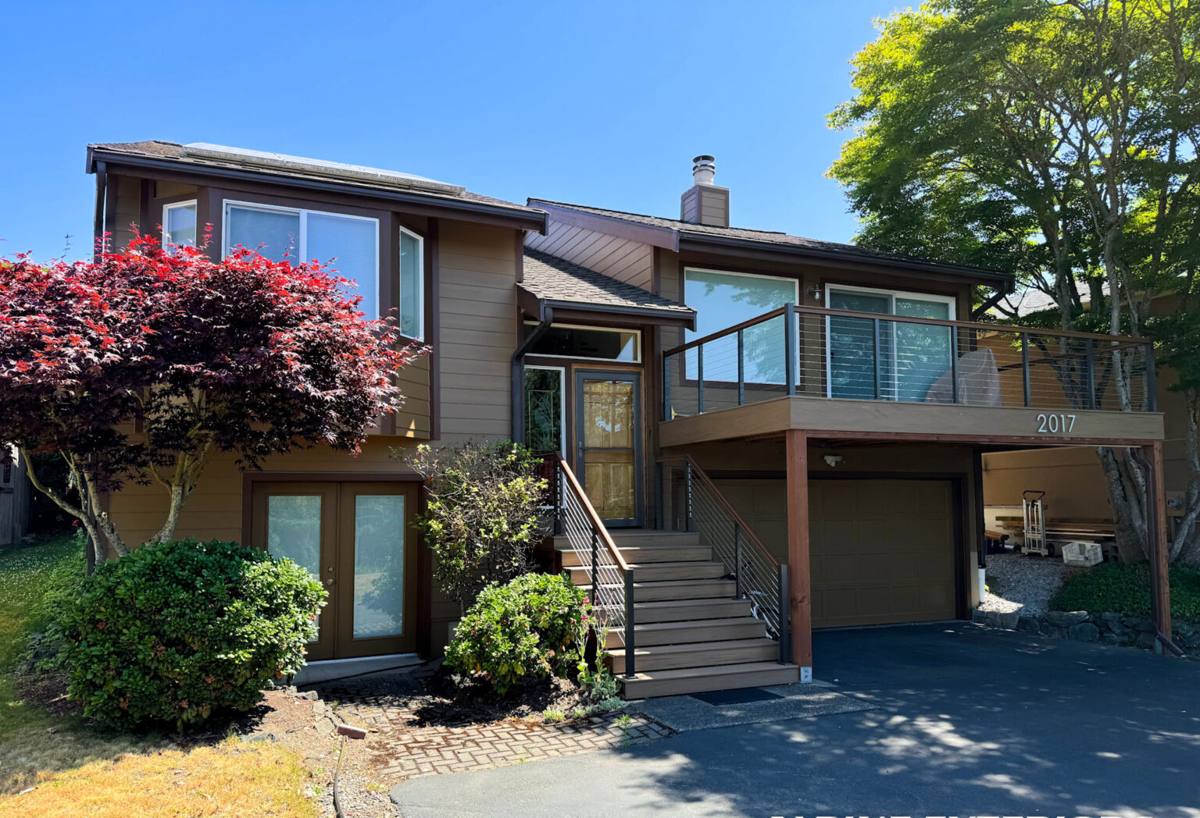
What a Correct Metal Roof Install Actually Involves
A metal roof is only as good as the assembly underneath it. The panels get the attention, but the underlayment, fasteners, and flashing are what actually keep a home dry through a Whatcom County winter.
Underlayment and Moisture Protection
Metal panels shed water quickly, but wind-driven rain can still work its way underneath at seams, laps, and penetrations. A correct install uses a high-temperature synthetic or self-adhered underlayment, with extra protection at eaves, valleys, and anywhere water is likely to back up. Skipping this step, or using a builder-grade felt that isn't rated for the temperatures metal roofing can reach in direct sun, is one of the most common shortcuts we see on roofs that start leaking within a few years of installation.
Fasteners, Flashing, and Metal Compatibility
Salt air speeds up galvanic corrosion when two incompatible metals touch — for example, the wrong fastener against a panel, or the wrong flashing metal draining onto a different roofing metal. A correct job matches fastener coatings and flashing metals to the panel system, and pays close attention to every penetration: plumbing vents, chimneys, skylights, and dormers. These are the spots where most roof leaks start, regardless of roofing material, and they take real time to detail properly.
Standing Seam vs. Exposed-Fastener Panels
Not all metal roofing is built the same way, and the choice between panel systems matters more in a coastal climate than in a dry one.
| Feature | Standing Seam | Exposed-Fastener Panel |
|---|---|---|
| Fastening method | Hidden clips, no exposed screws | Screws driven through the panel face |
| Performance in driving rain | Excellent — raised seams shed wind-driven water | Good, but exposed fasteners are the first thing to fail |
| Maintenance in salt air | Low — few penetration points to corrode | Higher — fastener gaskets need periodic checking |
| Typical service life of fasteners/seals | Decades, rarely needs attention | Gaskets usually need replacing well before the panel itself wears out |
| Upfront cost | Higher | Lower |
Exposed-fastener panels aren't a bad product, and they're a reasonable choice for outbuildings or budget-driven projects. But for a primary residence exposed to salt air and steady rain, we generally steer homeowners toward standing seam, because it removes the one part of the system — the exposed screw and washer — that's most likely to need attention down the road.
Moss, Algae, and Long-Term Maintenance
Moss doesn't care what your roof is made of, but it does care about shade, moisture, and organic debris to root in. A metal roof gives moss less to grab onto than a shingle roof, but it isn't immune, especially in valleys, at panel laps, or wherever leaves and needles collect. The moss season here runs long, and a roof that never gets cleaned can hold enough moisture against the panel finish to shorten its life over time. Keeping nearby branches trimmed back, clearing debris from valleys and gutters each fall, and having the roof looked at periodically are simple habits that go a long way. Zinc or galvanized strips near the ridge are sometimes used to slow moss growth on shingle roofs; on a metal roof, the bigger factor is usually just staying on top of shade and debris.
Ventilation: The Detail Most Roofs Get Wrong
Metal conducts heat and cold faster than most other roofing materials, which makes proper attic ventilation more important, not less. Without a clear path for air to move from soffit to ridge, moisture from inside the home can condense on the underside of the panels during cold, damp stretches — exactly the kind of weather this part of Whatcom County sees for much of the year. Over time, that trapped moisture can damage the roof deck from underneath, long before the panels themselves show any wear. A correct install accounts for intake and exhaust venting as part of the roofing plan, not as an afterthought bolted on at the end.
Our Process, From Estimate to Cleanup
We run the same process on every metal roofing job, whether it's a full re-roof or a smaller section replacement.
- On-site inspection of the existing roof, deck condition, and any problem areas like valleys or chimney flashing.
- Honest recommendation on panel type and system based on the home's exposure, roof pitch, and your budget.
- Deck repair or replacement of any damaged sheathing before a single panel goes down.
- Installation of underlayment and flashing at every penetration and transition.
- Panel installation, working to manufacturer specifications for fastening and seaming.
- Final flashing, trim, and ventilation components installed and checked.
- Full site cleanup, including a magnetic sweep for stray fasteners.
- Walkthrough with you before we consider the job finished.
Cost Factors for a Fairhaven Metal Roof
Every roof is different, but the price of a metal roofing project generally comes down to a handful of factors.
| Factor | Why It Matters |
|---|---|
| Panel system and gauge | Standing seam and heavier-gauge panels cost more than exposed-fastener, lighter-gauge options |
| Roof complexity and pitch | More valleys, dormers, and penetrations mean more flashing work and labor time |
| Tear-off vs. overlay | Removing an old roof and repairing the deck adds cost but is often necessary for a correct install |
| Accessibility | Steep pitches or difficult access add time and safety equipment to the job |
| Coating and finish | Higher-grade paint finishes cost more upfront but hold up better against salt air and UV exposure |
As a broad point of reference, homeowners in this region often see metal roofing quotes somewhere in the range of $9 to $16 per square foot installed, though your actual number depends heavily on the factors above. Any contractor worth hiring should be able to walk you through where your quote falls in that range and why.
Checklist: What to Ask Before You Sign
A metal roof is a long-term investment, and the contract you sign should reflect that. Before hiring anyone, ask for the following in writing:
- Current Washington contractor registration and proof of liability insurance
- A written scope of work naming the exact panel system, gauge, and finish
- Underlayment type and where it will be used — eaves, valleys, or full deck
- How flashing will be handled at every chimney, vent, and skylight
- Whether attic ventilation is included in the plan or handled separately
- Manufacturer warranty terms versus the contractor's own workmanship warranty
- A clear timeline and a plan for site protection and cleanup
If a contractor can't answer these clearly before the contract is signed, that's worth paying attention to.
Why Hire a Crew That Already Works in Fairhaven
Roofing crews that work throughout Ferndale and the surrounding Whatcom County coastline see the same conditions on every job: the same salt exposure, the same driving rain patterns, the same long moss season. That kind of repeated, local experience shows up in the small decisions — which fastener coating to spec, how much underlayment overlap to use at a valley, when a deck needs more than a quick patch. It also matters after the install is finished. A local crew is easy to reach for a warranty question or a routine check, without the runaround of dealing with a company based hours away. When you're comparing quotes, ask directly how much of the contractor's recent work has been in this area — the answer tells you a lot about how well they understand what your roof is actually up against.
If you're weighing metal roofing for a home in Fairhaven, we're happy to take a look and walk you through what your roof actually needs — no pressure, no hard sell. Use the form below to request a free estimate.