 Ferndale Siding
 Storm Damage Roof Repair for Fairhaven Homes
Fairhaven sits close to the water, and that proximity shapes almost everything about how a roof ages here. Homes in this part of Whatcom County take on a specific combination of stress that inland properties simply don't see in the same way: salt-tinged marine air that accelerates corrosion on fasteners and flashing, driving rain that comes off the water sideways instead of falling straight down, and a moss season that runs long on shaded and north-facing slopes. After a storm rolls through, that combination is exactly why roof damage in Fairhaven often shows up differently than it does a few miles inland — and why a repair that doesn't account for it tends to fail again at the next storm rather than holding for years.
This page focuses specifically on storm damage roof repair for Fairhaven properties — what the local climate does to a roof during and after a storm, what an honest repair actually involves, and how our process works when you call us after a bad weather event.
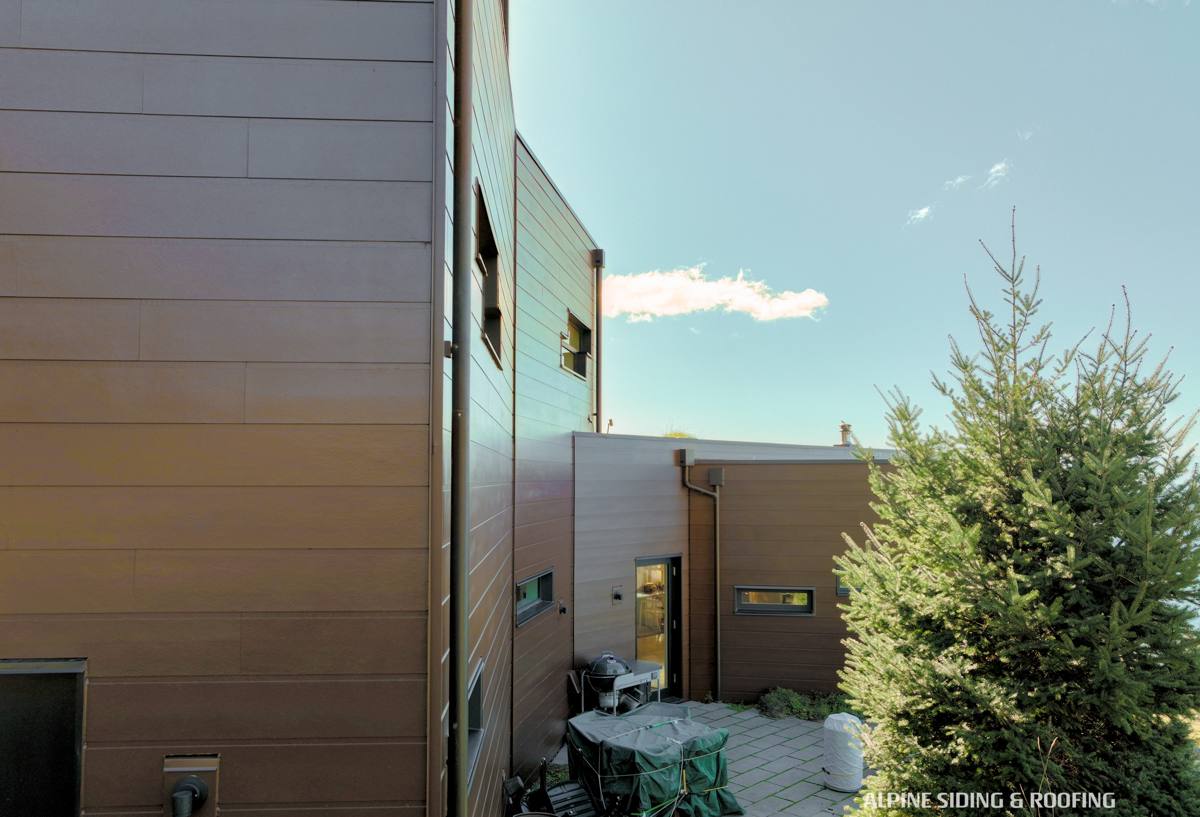
What Storms Actually Do to a Fairhaven Roof
Wind-Driven Rain and Salt Air
Being close to the water means Fairhaven homes catch wind off the bay that drier, more sheltered inland lots don't experience nearly as often. During a storm, that wind pushes rain up and under shingle edges, into valleys, and around flashing at chimneys and vents rather than letting it run cleanly down the roof plane. The same marine air also carries salt, which accelerates corrosion on cheap or unprotected fasteners and metal flashing over time. A fastener or flashing detail that would hold up fine on a roof twenty minutes inland can start failing years earlier on a property this close to the water.
Wind Gusts and Wind-Borne Debris
Storm systems moving through this part of the Washington coast bring real wind load, and mature trees near many Fairhaven properties add another risk factor: broken branches and wind-borne debris striking the roof surface. Impact damage from debris often looks minor from the ground — a few displaced or cracked shingles — but it can compromise the water-shedding layer underneath in ways that aren't visible until the next heavy rain finds the gap.
A Long Moss and Mildew Season
Persistent regional dampness and mild temperatures mean moss and mildew growth is active across much of the year here, not just during a short wet season. Storm damage that isn't repaired quickly gives moss an opening to take hold in a compromised area faster than it would on an intact roof surface, and established moss holds moisture directly against shingles and decking — which is exactly the condition that turns a repairable problem into a rot problem.
Recognizing Storm Damage Before It Becomes a Bigger Problem
Not all storm damage is obvious from the driveway. Some of the most costly problems start small and stay hidden until a leak shows up inside the house, by which point water has often been getting in for a while. After any significant wind or rain event, it's worth checking for these signs, or having someone check for you:
- Missing, cracked, or curled shingles, especially on wind-exposed slopes
- Granules collecting in gutters or downspouts after a storm
- Bent, lifted, or missing flashing around chimneys, vents, and skylights
- Water stains or discoloration on interior ceilings or upper walls
- Sagging or soft-feeling sections when walked (a sign of trapped moisture below the surface)
- Debris, broken branches, or visible impact marks on the roof surface
- New or spreading moss growth, particularly on shaded or north-facing slopes
- Gutters pulling away from the fascia or showing signs of overflow damage
If you notice any of these after a storm, it's worth having the roof looked at promptly rather than waiting to see if it gets worse. A small, isolated repair addressed early is almost always cheaper and less disruptive than the same damage left to develop through another wet season.
What a Correct Storm Repair Actually Involves
More Than a Patch
A rushed storm repair — a quick tarp, a few replacement shingles nailed over the damaged area, some caulk at a flashing gap — can look fine from the ground and still fail within a season. Correct repair starts with actually finding where water is getting in, not just where the visible damage is. That often means checking the underlayment and decking beneath the damaged shingles, not just replacing what's visible on the surface, since wind-driven rain in this area tends to travel further under a roof covering before it shows itself.
Flashing and Underlayment Come First
Most roof leaks after a storm trace back to flashing — at valleys, chimneys, vent pipes, and wall intersections — rather than to the field of the roof itself. A repair that replaces shingles but doesn't correct compromised flashing or torn underlayment underneath is treating the symptom, not the cause, and it's one of the most common reasons a "repaired" roof leaks again at the next storm.
Matching Materials Honestly
When repairing a section of an existing roof, matching shingle color, profile, and, where possible, algae resistance matters both for appearance and for how the repaired section weathers alongside the rest of the roof. We'll tell you honestly when an exact match isn't available and what the visible difference will look like, rather than promising a seamless result we can't deliver.
Repair or Full Replacement?
Not every storm-damaged Fairhaven roof needs a full tear-off, and not every roof that looks fine on the surface is actually in good shape underneath. The right call depends on the extent of the damage, the roof's age, and what's found once we're actually up there looking closely.
| Factor | Favors Repair | Favors Full Replacement |
|---|---|---|
| Extent of damage | Isolated to one slope or a small section | Widespread across multiple slopes or the ridge line |
| Roof age | Roof is well within its expected service life | Roof is already near the end of its expected lifespan |
| Underlayment and decking condition | Sound, dry decking found under the damaged area | Soft, stained, or rotted decking found during inspection |
| Prior repair history | First significant repair on an otherwise sound roof | Repeated patch jobs stacked over the years |
| Material availability | Matching shingles reasonably available | Discontinued product with no reasonable match |
We'll walk you through exactly what we find and why we're recommending one path over the other — including telling you plainly when a repair is the honest answer, even if a full replacement would be the bigger job.
Our Process When You Call After a Storm
Storm calls get handled differently than a routine roofing inquiry, because water intrusion doesn't wait for a convenient scheduling window.
- Initial call and triage: We ask what you're seeing and how urgent it is — an active interior leak gets prioritized differently than a section of missing shingles with no water intrusion yet.
- On-site inspection: We walk the roof in person, checking both the visible damage and the areas around it, including flashing, valleys, and any spots where water could be tracking beyond where it first appears.
- Temporary protection if needed: If conditions call for it and more rain is expected before permanent repair can happen, we'll discuss options to protect the interior in the meantime.
- Written assessment and estimate: You get a clear explanation of what's damaged, what caused it, and what repair or replacement will actually involve, along with a written estimate before any commitment.
- Repair work: Once you approve the scope, we complete the repair, matching materials as closely as reasonably possible and correcting flashing and underlayment issues, not just replacing surface shingles.
- Final walkthrough: We review the completed work with you and clean up the site before considering the job done.
Working With Insurance on a Storm Claim
Many storm repairs in Fairhaven get filed as insurance claims, and we're glad to provide the documentation an adjuster typically asks for — photos of the damage, a written description of the cause, and an itemized scope of the repair work. We're not a public adjuster and don't handle the claim itself, but a clear, honest assessment from the contractor doing the actual repair tends to make that process smoother, since it gives the adjuster something concrete to work from rather than a vague description of what happened.
Why a Local Crew Matters for Storm Response in Fairhaven
A crew that works this stretch of Whatcom County regularly knows how salt air corrodes fasteners over time, which roof orientations catch the worst of the wind off the water, and how quickly moss takes hold in a compromised area of an otherwise sound roof. That experience shapes practical decisions during a storm repair: where to look beyond the obvious damage, which flashing details are worth extra attention on a property this exposed, and how to judge honestly whether a repair will actually hold through the next storm season or is just delaying a bigger job. A crew unfamiliar with this specific stretch of coastline can do competent general roofing work and still miss the details that matter here, because they haven't seen how this particular combination of salt, wind, and rain behaves on real roofs over a full year.
Getting Started
If a recent storm has left you with missing shingles, a new leak, or damage you're not sure how serious, we're glad to come take a look. Reach out using the form below to schedule a free, no-pressure estimate — we'll give you a straight answer about what's actually going on with your roof and what it will take to fix it right.