 Ferndale Siding
 Asphalt Shingle Roofing Built for the Kendall Climate
Kendall homes sit inland from Ferndale in a part of Whatcom County that gets more tree cover, more shade, and more standing moisture than open coastal lots. That combination is hard on a roof. The same weather pattern that brings salt-laden marine air off the Strait of Georgia, long stretches of driving rain, and a moss season that can run most of the year doesn't stop at the Ferndale city limits — it follows the Nooksack valley inland and settles into shaded, tree-lined properties like the ones common around Kendall. An asphalt shingle roof installed without that in mind will show algae streaking, moss colonies, and premature granule loss years before it should.
This page is about doing that job right for this specific area — not a generic roofing overview. It covers what the local climate actually does to a shingle roof, what a correct installation includes, how we run the project from estimate to cleanup, and why it matters to hire a crew that already knows how Kendall properties behave.
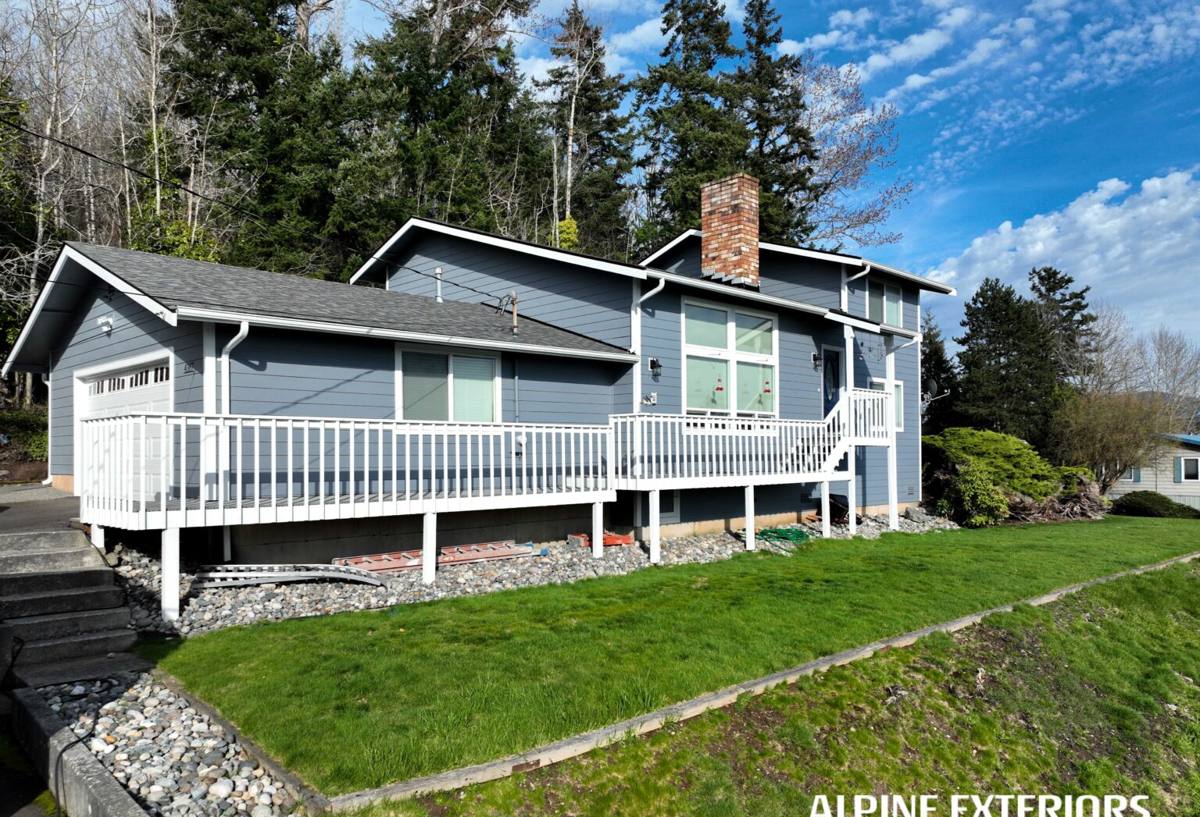
What Whatcom County Weather Does to a Shingle Roof
Moss and Algae
Shaded, tree-covered lots hold moisture on the roof deck long after a storm passes. Moss doesn't just sit on top of shingles — it works its root structure under the shingle tabs, lifts them, and lets water track underneath. Left alone through a few wet seasons, that's how a roof develops soft spots and interior leaks that have nothing to do with the shingles' rated lifespan. Algae streaking is more cosmetic but it's a sign the roof surface is staying damp longer than it should.
Driving Rain and Wind-Driven Water
Whatcom County storms don't always come straight down. Wind-driven rain pushes water sideways under shingle tabs, into exposed nail heads, and around anything that penetrates the roof — vents, chimneys, skylights. A shingle roof depends on correct overlap, sealant strips that have actually bonded, and properly flashed penetrations to shed that kind of rain. Skimped flashing work is the single most common cause of leaks we find on older roofs in this area.
Temperature Swings and Freeze-Thaw
It doesn't get brutally cold here, but Whatcom County does see enough freeze-thaw cycling in winter to matter. Water that's worked its way under a shingle or into a deck seam can freeze, expand, and widen the damage. Combined with the long wet season, this is why small, ignored problems tend to escalate faster here than in drier climates.
What a Correct Asphalt Shingle Roofing Job Involves
A shingle roof is a system, not a single layer of material. Skipping any of these steps is how you get a roof that looks fine for a year or two and then fails early.
Tear-Off and Deck Inspection
We remove the old roofing down to the deck rather than layering over it. That's the only way to actually see the plywood or OSB underneath — soft spots, delamination, or rot from a slow leak that never showed up inside the house. Any damaged decking gets replaced before anything new goes down; roofing over a compromised deck just hides the problem for the next owner to find.
Underlayment and Ice-and-Water Protection
A synthetic underlayment goes down as the roof's secondary water barrier, and self-adhering ice-and-water membrane goes in the vulnerable spots — eaves, valleys, around chimneys and skylights — where wind-driven rain and ice damming are most likely to force water past the shingles themselves.
Flashing
Flashing at valleys, walls, chimneys, and vent penetrations is where most leaks actually originate, not the shingle field. Correct flashing is formed and layered so water is always directed out and over the layer below it, never behind it.
Shingle Installation and Sealing
Nailing pattern, exposure, and starter course alignment all matter for wind resistance and how well the self-sealing strips bond. Shingles installed too far off pattern, or in weather too cold for the adhesive strip to activate, don't seal the way they're rated to.
Ventilation
Intake at the eaves and exhaust at the ridge keep the attic temperature and humidity close to outdoor conditions. Without it, moisture gets trapped against the underside of the deck — which, in a climate this wet, accelerates rot and can void a shingle manufacturer's warranty outright.
Choosing the Right Shingle for a Kendall Property
Not every asphalt shingle performs the same in a shaded, moisture-heavy environment. Here's how the common options compare for this climate specifically:
| Shingle Type | Moss/Algae Resistance | Wind Rating | Best Fit |
|---|---|---|---|
| Standard 3-tab | Lower — no algae-resistant granules unless specified | Lower end of the range | Budget-conscious, open/sunny lots with less tree cover |
| Architectural (laminate) | Good, especially with algae-resistant (AR) granules | Mid-to-high, depending on line | Most Kendall homes — shaded lots, standard slopes |
| Impact-resistant (Class 4) | Good, typically includes AR granules | High | Properties with heavy tree cover or storm debris exposure |
For most Kendall properties, we lean toward architectural shingles with algae-resistant granules as the practical baseline — they hold up better under moss pressure than plain 3-tab and cost less than premium impact-rated lines. Impact-resistant shingles are worth the upgrade on lots with mature trees overhanging the roof, where falling limbs and debris are a real, ongoing risk rather than a one-time storm event.
Our Process, Start to Finish
- On-site inspection. We walk the roof and attic, not just look from the ground, and check for moss intrusion, soft decking, and ventilation gaps.
- Written estimate. You get a clear scope — tear-off, decking allowance, underlayment, flashing, shingle line, ventilation work — so there are no surprise line items mid-project.
- Scheduling around weather. Shingle sealing strips need dry, workable conditions to bond correctly, so we plan installation windows with Whatcom County's rain patterns in mind rather than rushing a job into a wet stretch.
- Tear-off and deck repair. Old material comes off, the deck is inspected, and any damaged sections are replaced before anything new is installed.
- Installation. Underlayment, ice-and-water membrane, flashing, shingles, and ventilation components go in per manufacturer specification — not shortcuts that happen to look right from the driveway.
- Cleanup and walkthrough. We magnet-sweep for nails, clear debris, and walk the finished roof with you before calling the job done.
Ventilation and Moisture: The Part You Don't See
A shingle roof can be installed with good material and still fail early if the attic underneath it is trapping moisture. In a climate where the air is damp for most of the year, poor attic ventilation shows up as premature deck rot, mold on the underside of the sheathing, and shingles that curl or degrade from beneath rather than from the top. When we scope a re-roof, we check existing intake and exhaust ventilation and correct it if it's undersized or blocked — it's a small part of the material cost but a large part of how long the whole system actually lasts.
Moss and Roof Maintenance Checklist
Between professional re-roofing or repair visits, a few habits go a long way in a moss-heavy environment like Kendall's:
- Keep overhanging branches trimmed back so the roof surface gets more light and air movement.
- Clear gutters and valleys of needles and leaf debris each fall — clogged channels hold water against the shingle edge.
- Have visible moss growth removed by a professional rather than pressure-washed, which can strip protective granules and shorten shingle life.
- Watch for granules collecting in gutters or downspouts — a sign the shingle surface is wearing down.
- Schedule a roof check after any major windstorm to catch lifted or displaced shingles before the next rain finds them.
What Affects the Cost of a Shingle Roofing Project
Every roof is different, but these are the factors that consistently move the price on a Kendall-area project:
| Factor | Why It Matters |
|---|---|
| Roof pitch and access | Steeper roofs and limited ground access around trees or slopes take longer and require more safety setup |
| Deck condition | Moisture damage from long-term moss or old leaks often means replacing sections of decking, not just shingles |
| Number of existing layers | Multiple old layers add tear-off time and disposal cost |
| Shingle grade chosen | Standard 3-tab, architectural, and impact-resistant lines carry different material costs |
| Ventilation upgrades | Adding or correcting intake/exhaust venting is a smaller add-on but affects long-term performance |
| Roof complexity | Valleys, dormers, skylights, and chimneys all add flashing work |
We'll walk through which of these apply to your roof specifically during the inspection, so the estimate reflects your actual project rather than a generic average.
Why It Matters to Hire a Crew That Works Kendall Regularly
A crew that installs roofs across a range of climates will still do competent work, but a crew that regularly works Whatcom County properties like the ones around Kendall knows the specific failure patterns before they show up — where moss tends to concentrate on a given roof orientation, which ventilation setups actually keep up with local humidity, and how much lead time weather windows require for a proper install. That local pattern recognition is what separates a roof that's technically installed correctly from one that's built to hold up in this particular environment for the long haul.
If you're weighing a repair against a full replacement, or just want an honest read on where your current roof stands, we're glad to take a look. Reach out for a free, no-pressure estimate using the form below — we'll give you a straight answer, not a sales pitch.