 Ferndale Siding
 Deck Building for Kendall's Wooded, Wet Conditions
Kendall sits inland from Ferndale in the Whatcom County foothills, and the building conditions there are different from what you'll find closer to the water. Lots tend to be larger and more heavily wooded, tree cover keeps decks shaded for long stretches of the day, and that shade combined with our regional rainfall means moisture sits on deck surfaces and framing longer than it would on an open, sun-exposed site. Add in the moss season that affects nearly every outdoor structure in this part of Washington, and you have a specific set of conditions a deck has to be built to handle from day one.
A deck that would hold up fine on a dry, open lot elsewhere can struggle in a shaded Kendall yard if it wasn't designed with drainage, airflow, and material choice in mind. This page covers what that actually means in practice — for the framing you don't see and the decking surface you do.
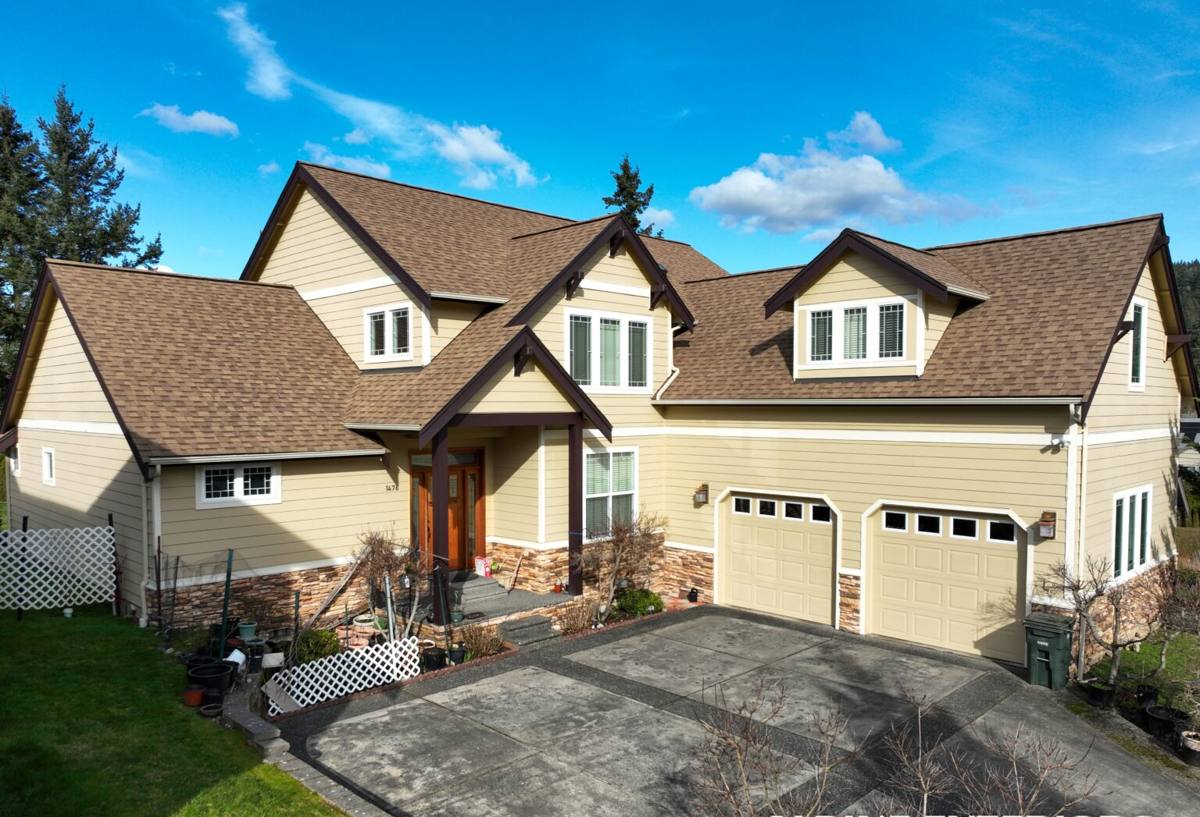
What Wooded, Rain-Heavy Lots Do to a Deck Over Time
The biggest factor isn't rainfall totals — it's how long a deck stays wet after it rains. On a shaded, tree-covered lot, morning dew and afternoon showers can linger on deck boards and in the framing cavity for hours or days longer than on a sun-exposed deck. That extended dampness is what drives most of the problems we see on older decks in this area:
- Moss and algae building up on decking, especially on the north side of the house or under overhangs
- Slick, slippery boards during fall and winter when moss gets a foothold
- Wood rot at ledger boards, joist ends, and post bases where water pools and doesn't dry out
- Rust bleeding from fasteners that weren't rated for sustained moisture exposure
- Leaf and needle debris packing into gaps between boards, holding water against the wood
None of this means a deck can't be built to last in Kendall — it means the design has to account for slower drying conditions instead of assuming a deck will dry out quickly between storms the way it might in a more open, sunnier location.
Sun Exposure Varies Lot to Lot
Because tree cover is so variable from one Kendall property to the next, we don't use a one-size-fits-all deck design. A deck on a mostly-cleared lot with good afternoon sun can get away with a simpler drainage and ventilation plan than one tucked under a stand of fir or cedar. Part of our job on the initial visit is reading how much sun and airflow your specific site actually gets, not just assuming based on the neighborhood.
Footings and Framing: Getting the Foundation Right
Everything about a deck's long-term performance starts below the decking boards, in framing most homeowners never look at closely once it's built. In Whatcom County, footings need to be set below the local frost depth and sized correctly for the loads they'll carry — ground conditions on wooded lots can also include more clay and organic soil than on cleared land, which affects how footings are dug and poured.
Where the deck attaches to the house, the ledger board connection is one of the most important — and most commonly done wrong — parts of any deck. It needs proper flashing that directs water away from the house band joist, not just caulk and a hope. A poorly flashed ledger is one of the leading causes of hidden rot damage behind decks in our climate, because water gets behind the board and stays there, out of sight, for years before it shows up as a problem.
Joist spacing, blocking, and post bracing all need to match the decking material and span you're planning — composite decking, for example, generally needs tighter joist spacing than solid wood to avoid flexing over time.
Decking Material Options for Kendall Homes
There's no single "best" decking material — the right choice depends on how much sun and shade your lot gets, how much upkeep you want to do, and your budget. Here's how the common options compare for a shaded, moss-prone property like a typical Kendall lot:
| Material | Moss/Moisture Resistance | Maintenance | Typical Lifespan |
|---|---|---|---|
| Pressure-treated lumber | Moderate — needs sealing to perform well in shade | Annual cleaning, re-seal every 1-2 years in wet, shaded spots | 15-20 years with upkeep |
| Cedar | Good natural resistance, but still needs care in constant shade | Regular cleaning and periodic oiling or sealing | 15-25 years with upkeep |
| Capped composite | Very good — non-porous cap resists moss staining and water absorption | Periodic washing, no sealing or staining | 25-30+ years |
| Uncapped composite (older style) | Fair — can absorb moisture and stain more than capped products | More frequent cleaning to prevent surface staining | 15-20 years |
For heavily shaded lots, we lean toward recommending capped composite or a well-maintained cedar, simply because both handle sustained dampness better than uncapped products or basic pressure-treated boards left unsealed. That said, plenty of homeowners are happy with pressure-treated lumber as long as they're realistic about the cleaning and sealing schedule it needs in a shaded yard — it's a legitimate, budget-friendly choice when maintained.
Fasteners and Hardware That Hold Up in This Climate
Fastener choice matters more here than people expect. Standard fasteners can corrode faster in a climate with sustained moisture and moss growth, leading to rust streaks on decking and, eventually, weakened connections. We use hot-dip galvanized or stainless steel fasteners and structural hardware rated for exterior, ground-contact, and pressure-treated lumber applications — the treatment chemicals in modern PT lumber are more corrosive to some metals than older formulations, so hardware compatibility isn't optional.
The same goes for post bases, joist hangers, and any structural connectors: they need a corrosion-resistant coating rated for the lumber and the climate, not just whatever's cheapest at the yard.
Railings, Stairs, and Code Requirements
Any deck over a certain height needs a code-compliant guardrail, and Whatcom County follows the Washington State building code for guardrail height, baluster spacing, and stair rise/run requirements. Beyond meeting code, railing design on a shaded lot benefits from the same material thinking as the decking itself — wood railings in constant shade need the same sealing attention as wood decking, while composite or metal railing systems shed moisture more easily.
Stairs deserve particular attention in a moss-prone climate. Stair treads are one of the first places moss takes hold because they're often narrower, get less airflow, and see less foot traffic than the main deck surface. We factor tread material and drainage into the design specifically to reduce that slip risk during our wetter months.
Our Deck-Building Process
Every project starts with an on-site visit, because the right design for a Kendall property depends on the specific lot — how much shade it gets, ground conditions, drainage, and how the deck will connect to the house. From there, our process generally looks like this:
- Site assessment and design conversation, including material recommendations based on sun/shade exposure
- Written estimate covering framing, decking material, railing, and hardware specifics
- Permit handling through the appropriate county process where required
- Footings, framing, and ledger flashing — the structural work that determines long-term performance
- Decking, railing, and stair installation
- Final walkthrough covering maintenance expectations specific to your site's conditions
We also talk through delivery and site access early, since rural Kendall properties can have longer driveways or tighter access than in-town lots, and planning material delivery in advance avoids delays once the crew is on site.
Why Hire a Crew That Already Works in Kendall
A deck built by a crew unfamiliar with this area's shaded, wet conditions can end up with the same design a builder would use anywhere — and that's often where the moisture and moss problems described above start showing up within a few years. Working regularly in Kendall and the surrounding Whatcom County area means we've seen how different lots dry out, where moss tends to take hold first, and which material and hardware choices actually hold up here rather than just on paper.
It also means straightforward, honest guidance: if a lower-cost material is a reasonable fit for your specific lot's sun exposure, we'll say so. If your lot's heavy shade means it's worth spending more upfront on capped composite or better hardware to avoid maintenance headaches down the road, we'll explain why rather than upselling for its own sake.
Keeping a New Deck Looking Good Year After Year
No deck material is fully maintenance-free in this climate — even composite decking benefits from periodic washing to keep organic buildup from taking hold. A simple annual routine goes a long way:
- Sweep or blow off leaves and debris regularly, especially in fall
- Wash the surface at least once a year to remove early moss and algae growth before it sets in
- Check and re-seal wood decking and railings on the schedule appropriate to that material
- Keep gutters and downspouts near the deck clear so runoff isn't draining directly onto it
- Trim back overhanging branches where practical to improve sun and airflow
We're happy to walk through a maintenance plan specific to your deck's material and sun exposure at the end of a project, so you know exactly what it needs and when.
If you're planning a new deck or replacing one that's struggling with moss and moisture in Kendall, we're glad to take a look and talk through what your specific lot needs. Reach out for a free, no-pressure estimate using the form below.