 Ferndale Siding
 Building a Deck for Lummi Nation's Coastal Conditions
Homes in and around Lummi Nation sit close to the water, which is exactly what makes the area beautiful and exactly what makes deck-building here different from a typical inland project. Salt-laden air moves off the bay and settles on every exposed surface. Driving rain comes in sideways during winter storms instead of falling straight down. And the mild, damp stretch that runs from fall through spring gives moss and algae months to take hold on anything that stays shaded and wet. A deck built without those specifics in mind will start showing problems well before it should — soft spots, corroded fasteners, slick boards, and finishes that fail years ahead of schedule.
We build decks for this stretch of Whatcom County specifically, not decks that happen to be installed here. That distinction shows up in the materials we recommend, the fasteners we use, the way we frame for drainage, and the maintenance guidance we give homeowners before we ever pick up a tool.
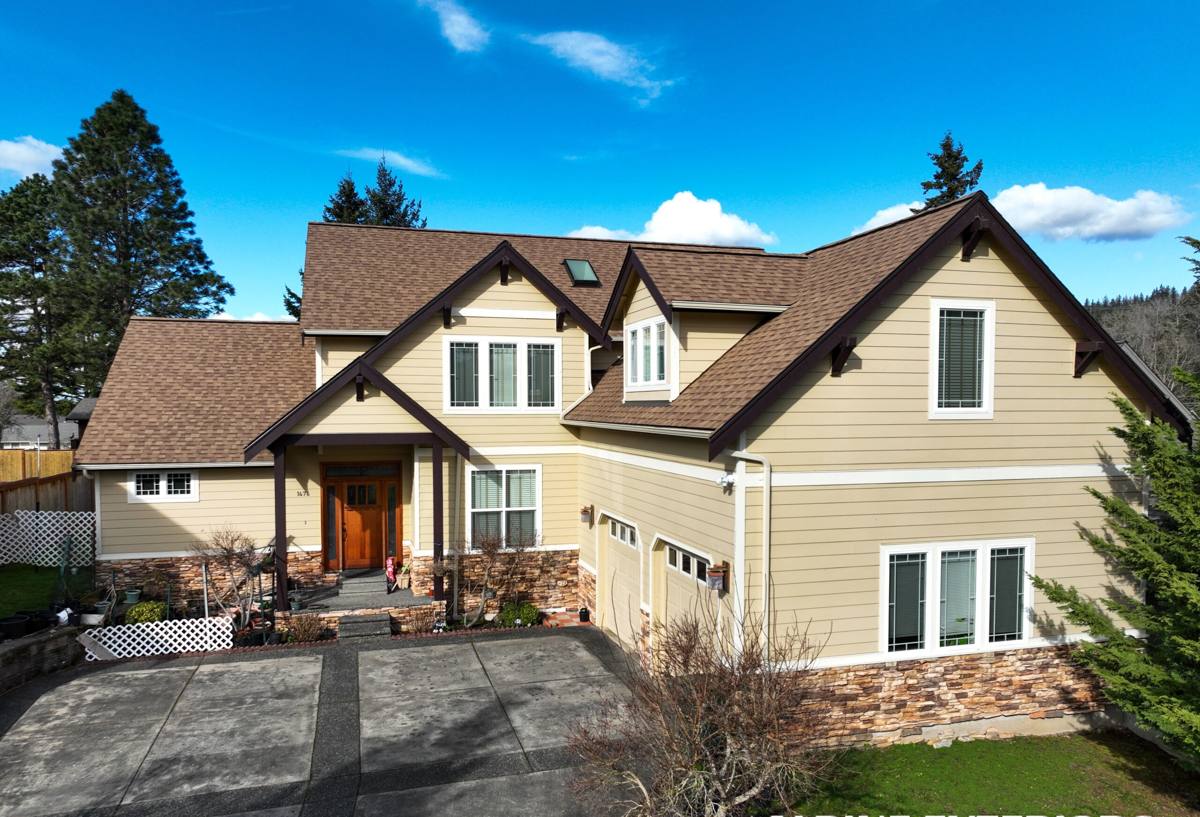
Why Coastal Exposure Changes the Build
Salt air is corrosive to untreated or under-rated metal. Over a few seasons, standard hardware can pit, rust, and weaken at the exact points holding your deck together — ledger connections, joist hangers, and structural screws. It's not a cosmetic issue; it's a structural one, and it's the single most common shortcut we see in decks that fail early in this area.
Driving rain off the water also means water gets pushed into places a calmer climate wouldn't test as hard — under railings, into end grain, behind ledger boards, and into any gap where flashing was skipped or done halfway. A deck built to a generic spec sheet, without regard for wind-driven rain, will let water in at those joints long before the boards themselves show wear.
What This Means Practically
- Fasteners and structural hardware need a corrosion rating suited to coastal, marine-influenced air — not just standard exterior-rated hardware.
- Ledger board flashing and house-side waterproofing need to be done correctly the first time, since this is the connection point most exposed to wind-driven moisture.
- Decking gaps and airflow beneath the structure need to be sized to let a wet deck actually dry out between storms, not just after the rain stops.
- Shaded, low-airflow areas of the deck need extra attention, since they're where moss and algae establish first.
Choosing Decking Materials for Salt Air and Rain
There's no single "best" decking material for every home — it depends on your budget, how much upkeep you want to do, and how exposed the site is. What we won't do is install a material in a way that ignores how it actually behaves in a wet, salt-air climate. Below is an honest comparison of the main options we install or discuss with homeowners in this area.
| Material | How It Handles Salt Air & Rain | Maintenance | Typical Lifespan Here |
|---|---|---|---|
| Pressure-treated wood | Good with proper sealing; end grain and fastener points are the weak spots | Annual cleaning, re-sealing every 1-2 years | 15-20 years with upkeep |
| Cedar | Naturally moisture-resistant but still needs finish protection in driving rain | Regular cleaning and re-staining | 15-20 years with upkeep |
| Composite decking | Very stable in wet, salty conditions; doesn't absorb moisture the way wood does | Periodic washing to keep moss and pollen film from building up | 25-30+ years |
| PVC/capped polymer decking | Excellent moisture resistance, minimal absorption at cut ends if capped correctly | Occasional washing | 25-30+ years |
Whatever material a homeowner chooses, the hardware, framing, and flashing underneath matter just as much as the decking on top. A composite deck built on corroding fasteners and a poorly flashed ledger will still fail — it just fails underneath where you can't see it until it's serious.
What a Correctly Built Deck Involves
A deck is a structure first and a surface second. Getting the visible part right means nothing if the framing underneath isn't sized, spaced, and protected correctly for this climate.
Footings and Framing
Footings need to be set below frost depth and sized for the soil conditions on your specific lot — coastal properties can have variable soil, especially closer to the water. Joists and beams need to be sized for the actual span and load, not just "what's typically done," and pressure-treated or naturally resistant framing lumber is non-negotiable given how much moisture this framing will see over its life.
Ledger Attachment and Flashing
Where the deck attaches to the house is the single highest-risk point for water intrusion. Correct flashing — installed in the right order relative to the house's siding or house wrap — keeps wind-driven rain from working its way behind the ledger and into the wall framing. This is also where corrosion-rated fasteners matter most, since this connection carries structural load.
Hardware and Fasteners
We use fasteners and structural connectors rated for the corrosive conditions salt air creates, not the minimum standard exterior-rated hardware. It costs more up front and is worth it every time given how expensive it is to repair a structural failure after the fact.
Drainage and Airflow
Deck board spacing, joist spacing, and under-deck ventilation all affect how quickly a deck dries out after rain. In a climate where it can rain for days at a stretch, a deck that can't shed and dry water efficiently stays wet longer, which accelerates rot, mildew, and moss growth.
Railings and Stairs
Railings and stair stringers see constant weather exposure and repeated hand contact, so material choice and fastening matter as much here as anywhere else on the structure. Loose or corroding railing hardware is one of the most common safety issues we find on older decks in this area.
Our Process From Estimate to Finished Deck
Every deck project follows the same basic path, though the details change based on your site, your goals, and your budget.
- On-site assessment. We look at your lot, your home's ledger connection point, sun and shade exposure, drainage, and any existing structure that needs to be removed or built around.
- Design and material discussion. We talk through material options honestly, including trade-offs in cost, maintenance, and lifespan, so you're choosing based on real information rather than a sales pitch.
- Written estimate. You get a clear scope of work and price before anything is scheduled — no surprise add-ons for work that should have been priced up front.
- Permitting. Where a permit is required, we handle the paperwork and inspections as part of the project.
- Construction. Footings, framing, flashing, decking, and railings are built in sequence, with attention to the coastal-specific details covered above at every stage.
- Final walkthrough. We go over the finished deck with you, including basic care guidance so it holds up the way it's supposed to.
Moss, Mildew, and Long-Term Maintenance
Whatcom County's long damp season means moss and mildew aren't a matter of if but when, especially on shaded decks or those tucked under tree cover near the water. The good news is that most of this is manageable with a short seasonal routine rather than major work.
- Sweep debris off the deck regularly — trapped leaves and needles hold moisture against the boards and speed up moss growth.
- Wash the deck surface once or twice a year to remove the thin film of pollen, algae, and grime that builds up in a wet climate.
- Check railings, stair connections, and any visible fasteners periodically for corrosion or looseness.
- Reseal wood decking on the manufacturer's recommended schedule — skipping this is the fastest way to shorten a wood deck's life here.
- Keep gutters and downspouts near the deck clear so roof runoff isn't dumping extra water onto or under the structure.
None of this is complicated, but it does need to actually happen. A deck that gets this basic attention will outlast one that doesn't by years, regardless of what material it's built from.
Permits and Local Considerations
Deck projects in Whatcom County typically require a permit once they reach a certain size or height, and inspections are part of that process. If your property falls within Lummi Nation trust or reservation land, there may be additional review specific to tribal land use — we'll confirm what applies to your property during the estimate rather than assuming a one-size-fits-all process. Getting this step right up front avoids delays once construction is underway.
What to Ask Before Hiring a Deck Builder
Whether you hire us or someone else, these are the questions worth asking before signing a contract:
- Do you carry current liability insurance and, if required, workers' compensation coverage?
- Will you pull the required permits, or is that left to me?
- What fastener and hardware ratings do you use, and are they rated for coastal or marine-exposure conditions?
- How is the ledger board flashed where it attaches to my house?
- What's the expected timeline, and what could realistically extend it?
- Can I see examples of decks you've built in this area, specifically ones that have been through a few winters?
- What does the written estimate include, and what would trigger an additional charge?
Why a Crew That Already Works This Area Matters
A deck built to a generic national spec sheet can still fail here — not because the crew was careless, but because that spec sheet wasn't written with wind-driven coastal rain, salt air, and a months-long moss season in mind. Building decks regularly around Ferndale and the surrounding Whatcom County waterfront means we've seen how each material, fastener grade, and framing detail actually performs after a few real winters in this specific climate, not just in a showroom or a manual.
That local track record shapes every recommendation we make, from footing depth to hardware selection to how we flash a ledger board against driving rain. It's the difference between a deck that looks right on installation day and one that's still solid a decade later.
If you're planning a new deck or need to understand what's wrong with an existing one, we're happy to take a look and give you an honest assessment. Reach out for a free, no-pressure estimate using the form below.