 Ferndale Siding
 Why Windows Near Lummi Nation Wear Out Faster
Homes on and around the Lummi Peninsula sit closer to open water than almost anywhere else in Whatcom County. That proximity to Bellingham Bay and the Strait of Georgia means windows here deal with a combination most inland Ferndale homes don't see at the same intensity: salt-laden air, wind-driven rain that hits glass and trim sideways instead of straight down, and a moss and mildew season that can run eight months or more in a typical year. None of that is exotic weather — it's just steady, and steady wear is what finds every weak point in a window's seal, frame, and flashing over time.
The result is predictable. Windows that would last 20-25 years in a drier part of the state start showing fogged glass, soft frames, or failed weatherstripping years earlier out here. Salt air is mildly corrosive to hardware and can accelerate the breakdown of lower-grade seals and finishes. Wind-driven rain finds gaps that vertical rain never would. And moss and algae hold moisture against sills and trim long after a storm has passed, which is exactly the condition that rots wood and lifts caulk lines. None of this means windows are a lost cause here — it means the product and the installation both have to be matched to the site, not picked off a shelf because it was the cheapest option at the counter.
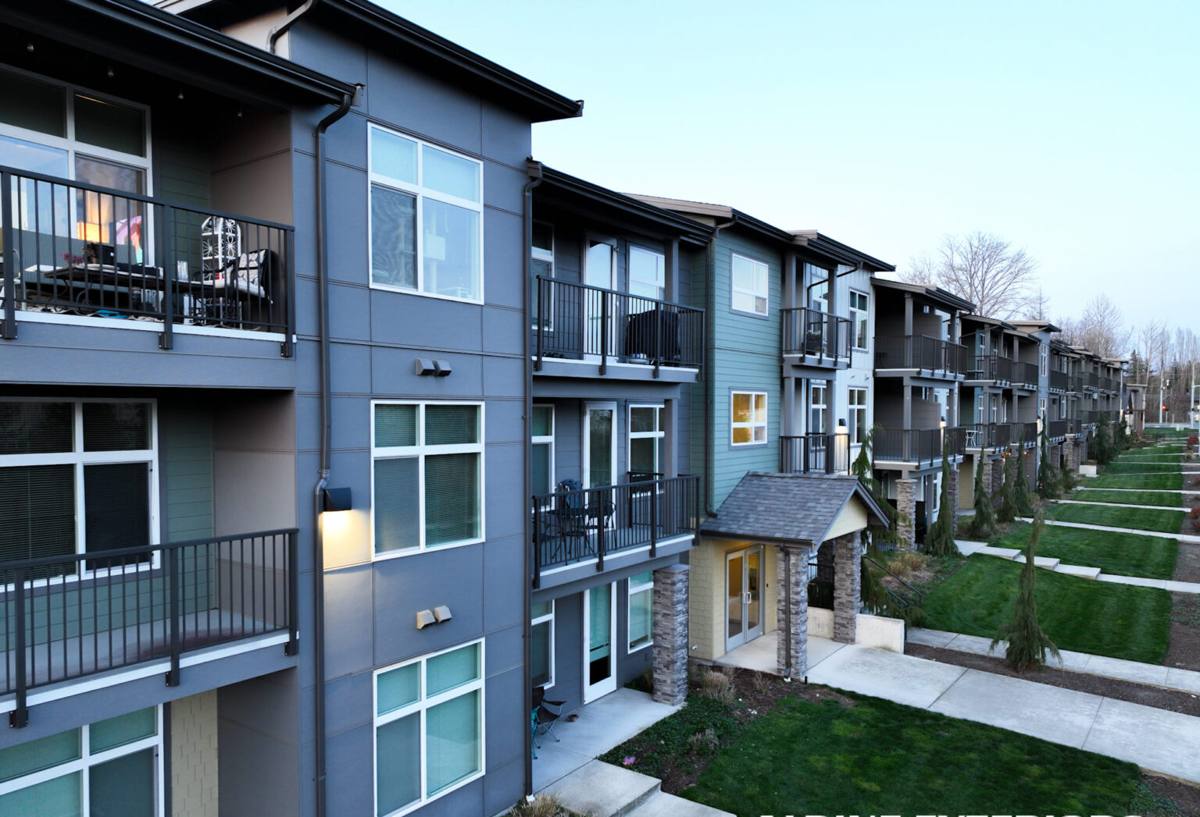
What "Energy-Efficient" Actually Means in This Climate
Energy-efficient windows are usually sold on U-factor and Solar Heat Gain Coefficient (SHGC), and those numbers matter — but for a marine climate like this one, they're not the whole story. A window that's efficient on paper but poorly sealed against wind-driven rain will still cost you money, just in rot repair and mold remediation instead of heating bills.
The ratings that matter most here
- U-factor: Measures heat loss through the window. Lower is better for our mild-but-damp winters, where the goal is retaining warmth without overheating in summer.
- SHGC (Solar Heat Gain Coefficient): Less critical here than in sunnier climates, but still worth getting right on south- and west-facing rooms that catch afternoon sun off the water.
- Air infiltration rating: This is the number that matters most for wind-driven rain and salt air — a tighter rating means less opportunity for moisture and airborne salt to work into the frame over time.
- Condensation resistance: High humidity plus temperature swings between indoor and outdoor air makes condensation a real issue on lower-grade glass packages. A window rated for condensation resistance will hold up better against the fogging and drip lines that eventually lead to sill rot.
We look at the whole package — glass, frame material, and how the unit is built to shed water — rather than chasing a single efficiency number.
Frame Material Comparison for a Salt-Air, High-Rain Climate
Every frame material has trade-offs. The right call usually comes down to your home's exposure, your maintenance appetite, and budget.
| Material | Salt Air / Corrosion Resistance | Maintenance | Notes |
|---|---|---|---|
| Vinyl | Good — won't rust or corrode | Low — occasional cleaning | Best value; quality varies a lot by manufacturer and welded corner construction |
| Fiberglass | Excellent — very stable in swings of humidity and temperature | Low | Higher upfront cost, but holds paint and seals longer under coastal exposure |
| Wood-clad | Fair — cladding protects the exterior, but any breach exposes wood to rot | Higher — cladding seams and interior wood need periodic attention | Best interior appearance; needs a flawless install to perform long-term here |
| Aluminum | Poor without thermal break — conducts cold and can pit near salt air over years | Moderate | We generally don't recommend it for residential work in this climate |
For most Lummi Nation homes we work on, vinyl or fiberglass ends up being the practical choice — vinyl for value-driven projects, fiberglass when a homeowner wants the longest service life with the least upkeep. Wood-clad can absolutely work, but we're honest with clients that it demands a tighter installation tolerance and more long-term attention in a climate this damp.
What a Correct Installation Actually Involves
Most window failures we get called out to fix aren't the window's fault — they're an installation shortcut that let water get behind the frame. In a climate with this much wind-driven rain, the flashing and water-management details matter as much as the window itself.
Steps that shouldn't be skipped
- Sill pan flashing: A sloped, sealed pan under the window opening gives any water that does get past the frame a way out instead of a place to pool.
- Proper weather-resistive barrier integration: The window's flanges need to be woven into the house wrap in the correct shingle-lap order — top last — so water is always directed outward and down, never trapped behind the siding.
- Flashing tape at jambs and head: Self-adhering flashing at all four sides, lapped correctly, is what actually stops wind-driven rain from tracking sideways into the wall cavity.
- Backer rod and quality sealant at the exterior trim line: Not just a bead of caulk over a gap — the joint needs to be sized and backed correctly so the sealant can flex with temperature and moisture cycles instead of cracking.
- Shimming and squaring: An out-of-square window stresses its own seals from day one, which shows up years later as drafts or operating problems.
Because we also do siding work, we pay close attention to how new windows tie into the surrounding wall assembly — the window flashing and the siding's own water-shedding layers need to work together, not just sit next to each other.
Signs Your Current Windows Are Losing the Fight
- Fog or moisture between panes of double- or triple-glazed glass — the seal has failed and the insulating gas is gone
- Visible gaps, drafts, or a noticeable temperature difference near the window on a windy day
- Soft, spongy, or discolored wood at the sill or exterior trim
- Sashes that are difficult to open, close, or lock
- Moss, algae, or dark staining that keeps returning at the sill even after cleaning
- Condensation on the interior glass or frame during cold snaps
- A noticeable jump in heating costs without another clear cause
Any one of these can be a minor fix. Several at once, especially on a window over 15-20 years old, usually means replacement is the more cost-effective path than continuing to patch it.
How We Approach a Window Project
We keep the process straightforward and don't push a product line before we've actually looked at the house.
- On-site assessment: We check current window condition, framing, and how exposed each elevation of the house is to wind-driven rain and salt air off the water.
- Product recommendation: Based on that exposure and your budget, we walk through frame material, glass package, and grille or trim options — no upselling to a product your home doesn't need.
- Written estimate: Clear pricing, timeline, and scope before anything is scheduled.
- Removal and disposal: Old units are removed carefully to protect interior finishes and existing siding, and hauled off.
- Installation with full flashing detail: Sill pans, house wrap integration, flashing tape, and sealant done to the standard outlined above — not shortcuts to save an hour per window.
- Final walkthrough: We check operation, seal, and finish on every window before calling the job done, and go over warranty coverage on both the product and our labor.
Cost Factors to Expect
| Factor | How It Affects Price |
|---|---|
| Frame material | Vinyl is typically the most affordable; fiberglass and wood-clad cost more upfront |
| Window size and configuration | Larger units, bays, and custom shapes cost more than standard double-hung or slider sizes |
| Glass package | Upgraded Low-E coatings and gas fills add cost but pay back in comfort and energy savings |
| Number of windows | Whole-house replacements typically run a lower per-window cost than replacing one or two at a time |
| Existing condition | Rot repair or reframing needed behind old windows adds labor beyond the window install itself |
| Exposure level | Elevations facing prevailing wind and rain may warrant a higher-spec product than sheltered sides of the house |
We give exact numbers only after seeing the house — anything else is a guess, and we'd rather not guess on something you're paying for.
Why It Matters That We Already Work This Area
A crew that only occasionally works near the water tends to spec windows the same way they would for a home twenty miles inland, and detail flashing the same way regardless of exposure. Working regularly around Ferndale and the surrounding Whatcom County coastline means we've seen which details actually hold up against this specific combination of salt air, driving rain, and a long wet season — and which ones fail first. If your property is on tribal land, there can be specific permitting or process considerations that don't apply to standard Whatcom County jobs elsewhere; we're happy to talk through what that looks like for your situation before any work is scheduled.
A Quick Checklist Before You Hire Anyone for Window Work
- Ask what flashing method they use — sill pan and house-wrap integration should be a given, not an upgrade
- Confirm the window's air infiltration and condensation resistance ratings, not just U-factor
- Ask how they handle rot or damage found once old windows are removed
- Get the warranty terms in writing — both manufacturer and installation labor
- Ask whether they coordinate window flashing with your siding's water-shedding layers, especially if any siding work is planned nearby
- Get a written estimate before any deposit changes hands
If your windows are fogging, drafting, or just starting to show their age, we're glad to take a look and give you a straightforward, no-pressure estimate. There's no cost to have us out — just an honest read on what your home actually needs.