 Ferndale Siding
 Windows Built for Lynden's Weather, Not Just the Showroom
Lynden sits inland from the coast but still feels the same weather patterns that move through the rest of Whatcom County — long stretches of driving rain, damp air off the Salish Sea, and short winter days that keep moisture sitting on and around your home for months at a time. Windows here don't just need to look good and keep the heat in. They need to shed water correctly, resist the slow creep of mold and moss around frames and sills, and hold their seals through decades of freeze-thaw cycles and wind-driven rain. A window that performs fine in a dry climate can fail quietly here — fogging between panes, soft trim, drafts that show up two winters after installation. We install windows in this area specifically with that in mind.
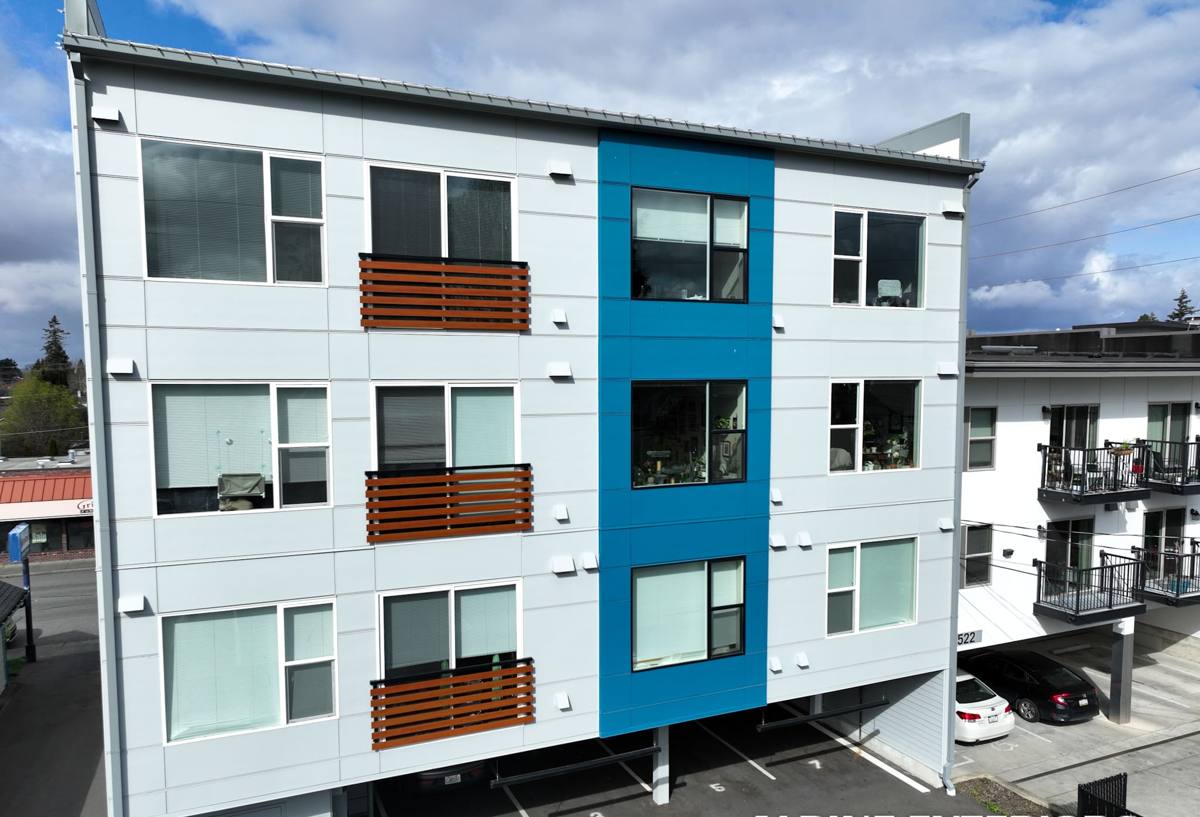
What "Energy-Efficient" Actually Means for a Northwest Window
Energy efficiency isn't a single feature — it's a combination of glass, frame, and installation quality working together. Get one piece wrong and the whole window underperforms, no matter what the sticker says.
Glass and Glazing
Most energy-efficient replacement windows now use double-pane or triple-pane glass with a low-emissivity (low-E) coating — a microscopically thin layer that reflects heat back into the room in winter and blocks solar heat gain in summer. The space between panes is typically filled with argon or krypton gas, which conducts heat far less than plain air. In a marine climate like ours, the seal holding that gas in place matters as much as the coating itself; a failed seal shows up as visible fogging or condensation trapped between the panes, and at that point the insulating value is gone even if the window still looks fine from the outside.
Frame Materials
Frame choice affects both thermal performance and how the window holds up against constant moisture exposure. Vinyl frames are the most common choice for this climate — they don't rot, don't need repainting, and their multi-chamber construction traps air for good insulation. Fiberglass frames cost more but expand and contract less with temperature swings, which keeps seals tighter over the long run. Wood-clad frames offer a traditional interior look but require more attention to detail during installation and ongoing maintenance to keep moisture from working into the wood core over time — that's a real trade-off worth discussing honestly rather than glossing over.
Weatherstripping and Air Sealing
Glass and frame get the attention, but the compression seals and weatherstripping around the sash are what stop drafts day to day. Cheap or worn weatherstripping is one of the most common reasons a "good" window still feels drafty — and it's often invisible until you actually inspect the unit.
Why Salt Air, Driving Rain, and Moss Season Change the Job
Whatcom County's climate isn't extreme, but it's persistent — and persistence is what wears windows out. A few specific factors we build our installations around:
- Salt-influenced air: Even away from the immediate coastline, salt-laden air moving inland can accelerate corrosion on hardware, hinges, and lower-quality fasteners over the years.
- Driving rain: Wind-driven rain doesn't just fall straight down — it gets pushed sideways into gaps, seams, and poorly flashed openings. This is the single biggest cause of hidden water damage around window openings in this region.
- Moss and organic growth: Long wet seasons mean moss, algae, and mildew get a foothold anywhere moisture lingers — sills, bottom tracks, and trim that isn't detailed to shed water quickly.
- Short, low-sun winters: With less direct sun to dry things out, any water that gets behind a window or trapped in a sill stays wet longer, giving rot and mold more time to establish.
None of this means windows in Lynden need to be exotic or overbuilt — it means the installation details (flashing, sealant choice, sill pitch, drainage) matter more here than they would in a drier climate, and cutting corners on those details shows up faster.
Signs a Lynden Home Needs New or Upgraded Windows
Homeowners usually notice symptoms before they think about the actual cause. Some of the most common signs we see on service calls in this area:
- Visible fogging or a milky haze between panes of glass — a sign the seal has failed and the gas fill is gone
- Cold drafts near the frame even with the window fully latched
- Soft, discolored, or spongy trim and sill wood around the window opening
- Windows that are difficult to open, close, or lock — often a sign of frame warping or settling
- Visible moss, algae, or persistent green staining on sills or lower frames
- Noticeably higher heating bills without another clear explanation
- Condensation forming on the inside of the glass regularly during cold weather
Any one of these on its own might just need a minor repair. Several together, especially on windows over 15-20 years old, usually point to full replacement being the more cost-effective long-term move.
Comparing Frame Options for This Climate
| Frame Material | Moisture Resistance | Maintenance | Typical Lifespan |
|---|---|---|---|
| Vinyl | Excellent — will not rot or corrode | Low; occasional cleaning | 20-30+ years |
| Fiberglass | Excellent; very stable in temperature swings | Low | 30-40 years |
| Aluminum | Good, but conducts cold and can condense | Low | 20-30 years |
| Wood / Wood-Clad | Fair; interior wood needs protection from moisture | Moderate to high | 15-25 years without diligent upkeep |
We generally steer homeowners in this climate toward vinyl or fiberglass for the working parts of the window — not because wood or aluminum are bad products, but because the ongoing maintenance burden and moisture sensitivity of those materials is a real, honest trade-off in a region that stays wet for so much of the year. If you love the look of wood, wood-clad options can still work — it just means budgeting for more attentive upkeep.
How We Approach a Window Replacement
1. On-Site Assessment
We start by looking at the actual condition of your existing windows and the wall assembly around them — not just the glass, but the sill, flashing, and any signs of past water intrusion. This tells us whether a straight replacement is appropriate or whether some trim and flashing repair needs to happen first.
2. Product Selection Based on Exposure
Not every window on a house faces the same conditions. A west-facing window that takes the brunt of driving rain may warrant different sealing details or a higher-performance unit than a sheltered window on the lee side of the house. We factor in orientation, not just a blanket spec for the whole house.
3. Removal and Opening Prep
Old windows come out carefully to avoid damaging surrounding siding or trim. We inspect the rough opening for hidden rot or moisture damage at this stage — this is the point where problems that have been building for years actually get found and fixed, rather than sealed back up behind a new window.
4. Flashing and Water Management
This is the step that determines whether a window lasts 20 years or leaks in five. Proper flashing directs any water that gets past the exterior seal back out and away from the wall structure, rather than letting it pool at the sill or work into the framing. Given how much driving rain this region sees, we don't treat this as optional or a place to save time.
5. Setting, Shimming, and Sealing
The window is set level and plumb, shimmed correctly so it isn't stressed out of square, then sealed with exterior-grade sealant designed to stay flexible through temperature swings rather than cracking and opening a gap after a season or two.
6. Interior and Exterior Finish
Trim is reinstalled or replaced, gaps are insulated, and the exterior finish work is matched back to the surrounding siding so the new window looks original to the house, not bolted on.
7. Final Walkthrough
We check operation, locks, and seals with you before considering the job done, and explain anything you should keep an eye on going forward.
Cost Factors Homeowners Should Actually Weigh
Window pricing varies a lot based on size, glass package, frame material, and how much of the surrounding trim or siding needs to be touched. In broad terms, a straightforward vinyl replacement window costs less than a comparable fiberglass or wood-clad unit, and pricing climbs with larger openings, upgraded glass packages (triple-pane, specialty coatings), and any additional carpentry needed to repair rot discovered during removal. Rather than quote a number that won't reflect your specific house, we walk the exterior with you and give a written estimate based on what we actually find — including flagging upfront if we expect hidden trim or sheathing repair, so there are no surprises mid-job.
A Quick Pre-Estimate Checklist
Before we come out, it helps to have answers ready for a few basic questions — it speeds up the estimate and gets you a more accurate number on the first visit:
- Roughly how old are your current windows?
- Are you noticing drafts, fogging, or condensation on specific windows, or the whole house?
- Do you want to match your existing window style and grid pattern, or are you open to changing the look?
- Have you noticed any soft trim, staining, or moss buildup around specific window openings?
- Is this part of a broader exterior project (siding, trim, painting) or a standalone window job?
Why Hire a Crew That Already Works in Lynden
Window performance in this region isn't theoretical — it's tested every winter by the same weather pattern year after year. A crew that regularly works homes throughout Whatcom County, including Lynden, has already seen which flashing details hold up, which sill designs shed water instead of collecting it, and which shortcuts show up as callbacks two or three years down the road. That local experience shows up in the small decisions — sealant selection, flashing sequencing, how trim is detailed — that a generic national install crew passing through the area won't necessarily prioritize the same way.
It also means someone is genuinely reachable afterward. If a seal needs a look or a lock needs adjustment two years after installation, you're calling a local business with a name and a truck you recognize, not a call center.
Keeping New Windows Performing Long-Term
A correctly installed energy-efficient window shouldn't need much — that's part of the point. But a little seasonal attention goes a long way in this climate:
- Clear debris and check for moss buildup on sills and tracks a couple of times a year, especially heading into and coming out of the wet season
- Wipe down and inspect weatherstripping annually; it's inexpensive to replace and one of the most common sources of drafts over time
- Keep an eye on exterior caulking and sealant lines for cracking, and have any gaps resealed before they let water behind the trim
- Make sure gutters and downspouts near windows are directing water away, not concentrating runoff against a wall or sill
If you're noticing drafts, fogged glass, or worn trim around your windows, or you're just ready to stop losing heat through single-pane or aging units, we're happy to take a look. Reach out for a free, no-pressure estimate — we'll walk the house with you, tell you honestly what we see, and give you a clear picture of your options before any work begins.