 Ferndale Siding
 Board & Batten Siding in Marietta: A Style That Has to Earn Its Keep
Board and batten has become one of the most requested siding styles in Whatcom County, and it's easy to see why. The vertical lines read as modern farmhouse on a new build and as classic Pacific Northwest on an older home, and it works on everything from a small addition to a full exterior. But in Marietta, board and batten isn't just a look — it's siding that sits close to Bellingham Bay, catches wind off the water, and spends a good chunk of the year wet. If it isn't detailed correctly, the same lines that make it attractive are the first places that show trouble.
This page is specifically about board and batten siding for homes in and around Marietta. We're not going to give you a generic rundown of the style — we're going to walk through what this particular stretch of Whatcom County does to vertical siding, what a correct installation has to account for, and how we handle it.
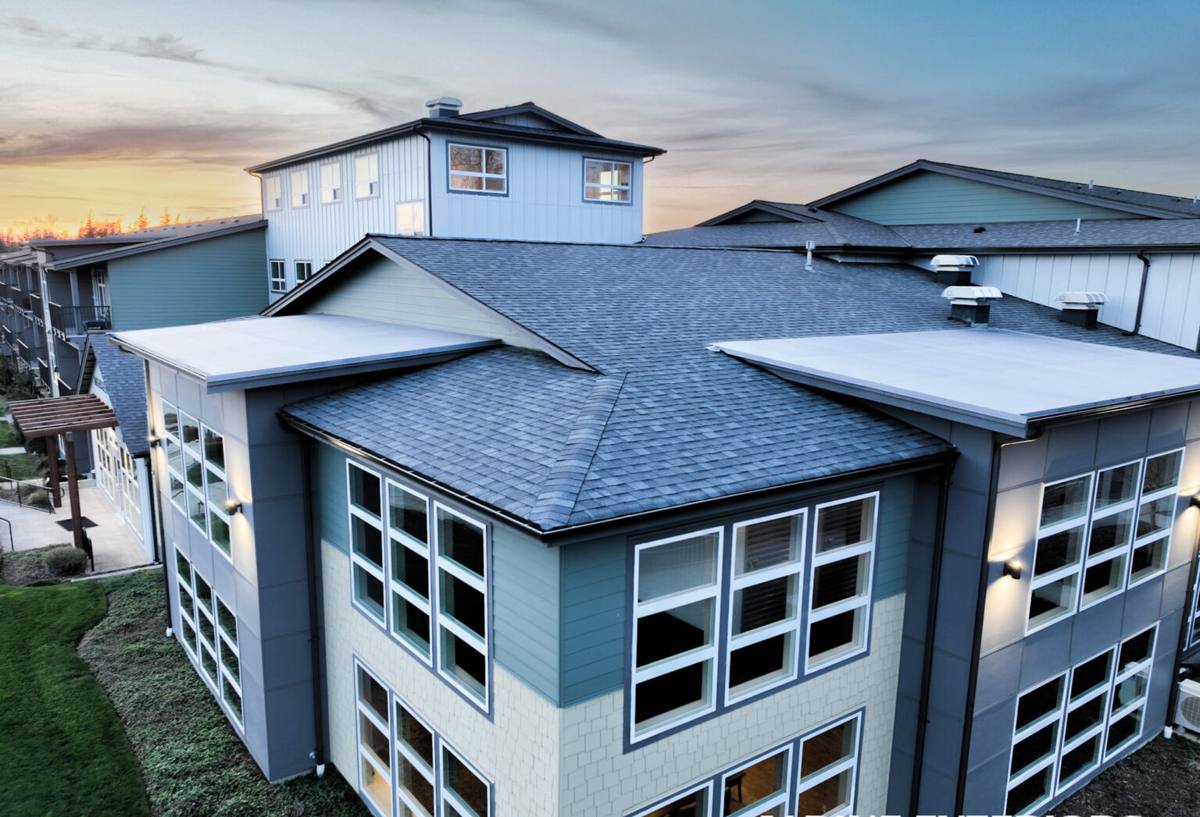
What Marietta's Climate Actually Does to Vertical Siding
Marietta sits low and close to the water, which means three things work against siding here more than they do a few miles inland: salt-laden air, driving rain that hits walls at an angle instead of falling straight down, and a moss and algae season that runs long because things simply don't dry out fast.
Salt Air and Fasteners
Homes near Bellingham Bay deal with airborne salt that accelerates corrosion on anything metal — fasteners, flashing, trim screws, even cheaper corner posts. On board and batten specifically, the battens are fastened directly through the face in most systems, so every one of those fastener heads is a potential rust spot if the wrong material is used. It's a small detail that gets skipped often, and it's one of the first things that ages a board and batten job badly.
Driving Rain and Water Management
Wind off the water pushes rain sideways into walls rather than letting it run straight down and off. Board and batten has more vertical seams per square foot than horizontal lap siding, and every seam is a place water can try to work its way behind the cladding if the gap and flashing details aren't right. This style needs a wall assembly that assumes water will reach the surface and has somewhere to go — not one that just hopes it won't.
Moss, Algae, and Shaded Walls
Whatcom County's moss season is long, and Marietta's marine air keeps humidity up even on days it isn't actively raining. North-facing walls, walls shaded by trees or neighboring structures, and any siding installed tight against the sheathing without a drainage gap will stay damp longer and grow moss and mildew faster. On a smooth, painted material this shows up as dark streaking and staining within a few seasons if it isn't planned for.
What a Correct Board & Batten Installation Actually Involves
A lot of what separates a board and batten job that looks good for twenty years from one that looks tired in five happens behind the boards, not on the surface.
A Real Rainscreen Gap
Vertical siding should be installed over a drainage gap — furring strips or a purpose-built rainscreen product — rather than nailed flat against the weather-resistive barrier. That gap lets any water that gets past the face siding drain and lets air move behind the boards so they dry out between rain events. In a climate like Marietta's, skipping this step is one of the most common reasons vertical siding fails early.
Flashing at Every Horizontal Break
Anywhere board and batten meets a window, door, deck ledger, roofline, or a horizontal joint in the boards themselves, flashing needs to be installed so water sheds outward and down, never back toward the wall. Butt joints in long runs of board and batten are a particular weak point — they need to be flashed and staggered, not just butted together and caulked.
Fastener Type and Placement
Given the salt air along the bay, fastener material matters more here than in a lot of inland neighborhoods. Hot-dip galvanized or stainless fasteners, installed at the manufacturer's specified pattern and depth, hold up. Undersized or mismatched fasteners are one of the more common shortcuts we see, and they show up as rust bleed streaking down the face of the siding within a few years.
Batten Spacing and Board Movement
Fiber cement expands and contracts slightly with temperature and moisture, and battens need to be spaced and fastened to allow for that without binding or buckling. This is a detail that's easy to get wrong with a crew that doesn't install board and batten regularly, and it's one reason we don't treat this as an afterthought add-on to a lap siding job.
Why We Only Install This in James Hardie Fiber Cement
We install board and batten exclusively in James Hardie fiber cement — not vinyl board and batten panels, not LP SmartSide, not cedar. Each of those has a real place in the market, but none of them holds up the same way against Marietta's combination of salt air, wind-driven rain, and a long wet season.
Vinyl board and batten is affordable and low-maintenance in mild climates, but it's a thinner, more flexible material that can warp in temperature swings and doesn't offer the same rigidity or paint-quality factory finish. Cedar board and batten is genuinely beautiful, and it's a traditional Pacific Northwest choice, but it requires ongoing sealing and refinishing to hold up against moisture and moss, and it's a fuel source in a wildfire-exposed structure. LP SmartSide is a wood-strand product with a resin-treated shell; it performs reasonably when detailed and maintained correctly, but any breach in that outer treatment exposes wood-based substrate to moisture in a way fiber cement doesn't have to worry about.
James Hardie's fiber cement is non-combustible, dimensionally stable, and comes with a factory-applied ColorPlus finish that's baked on rather than field-painted, which matters a lot for a color that's going to face salt air and UV year-round. Hardie also engineers specific product lines (their HZ5 line) for the wetter, harsher climate zones the Pacific Northwest falls into. That combination is why we standardized on it and stopped installing the alternatives.
Our Process for a Marietta Board & Batten Project
- Walk and assessment — we look at existing siding, sheathing condition, moisture history, and how the home is oriented relative to wind and rain exposure.
- Wall prep — repair or replace damaged sheathing, install or verify the weather-resistive barrier, and address any existing moisture issues before anything new goes on.
- Rainscreen installation — furring strips or a drainage mat set the drainage gap behind the board and batten.
- Flashing — windows, doors, penetrations, and horizontal transitions get flashed before siding goes up around them.
- Board and batten installation — Hardie panels and battens installed to manufacturer spec, with corrosion-resistant fasteners at the correct pattern.
- Trim, caulking, and final detail — corners, trim boards, and joints finished to shed water rather than trap it.
- Final walkthrough — we go over the finished work with the homeowner before calling the job done.
Board & Batten Compared to Other Siding Styles for This Climate
| Style | Look | Key Moisture Consideration in Marietta |
|---|---|---|
| Board & Batten (Hardie) | Vertical, modern farmhouse or classic PNW | Needs a rainscreen gap and flashed seams; more vertical joints to detail correctly |
| Horizontal Lap (Hardie) | Traditional, widely used | Natural water shedding by design; fewer vertical seams to manage |
| Shingle/Shake Panel (Hardie) | Textured, cottage or coastal | More surface texture holds moisture and moss longer if not detailed well |
| Mixed Board & Batten + Lap | Accent gables or dormers in board and batten, lap elsewhere | Popular for controlling both cost and moisture exposure on the most weathered walls |
None of these are wrong choices. The point of the comparison is that board and batten's vertical joint pattern needs a bit more attention to water management in a marine climate than horizontal lap does — it's not a reason to avoid it, just a reason to have it installed by a crew that plans for it.
Cost Factors for a Marietta Board & Batten Project
| Factor | Why It Affects Cost |
|---|---|
| Existing siding removal | Tear-off, disposal, and any sheathing repair found underneath add labor |
| Wall exposure | Walls facing prevailing wind and rain off the bay may need more attention to flashing and gap detailing |
| Board width and trim detail | Wider board spacing, custom trim, or mixed styles (accent gables, mixed board and batten/lap) add material and labor |
| Color | Factory ColorPlus finishes vary in price by line; custom or premium colors typically run higher than standard options |
| Home height and access | Multi-story walls or difficult access (steep grade, limited setback) increase labor time |
We don't publish a flat price per square foot because these factors genuinely move the number from one house to the next. A written estimate after an actual walk of the property is the only way to give you a number you can trust.
Maintenance Checklist for Board & Batten in a Marine Climate
- Rinse siding once or twice a year to remove salt residue, especially on walls facing open water or prevailing wind
- Check caulking at trim joints and window/door transitions annually and re-caulk where it's cracked or pulled away
- Look for streaking below fastener heads — an early sign of a corroding fastener that should be addressed before it stains further
- Keep gutters clear so runoff isn't dumping extra water onto siding below rooflines
- Trim back vegetation and tree cover on shaded walls to cut down on moss and algae growth
- Watch north-facing and shaded walls specifically — they'll show moss and mildew before sun-exposed walls do
Why Hiring a Crew That Already Works Marietta Matters
Board and batten installed to a generic spec sheet, by a crew that mostly works drier inland areas, is where a lot of the early failures we get called out to inspect started. A crew that already works this specific stretch of Whatcom County — Ferndale, Marietta, and the neighborhoods along Bellingham Bay — already knows to plan for wind-driven rain on bay-facing walls, to spec corrosion-resistant fasteners as standard rather than an upgrade, and to expect a long moss season rather than treat it as a surprise callback. That local pattern recognition is worth more than a lower bid from a crew that's guessing at Marietta's conditions for the first time.
If you're weighing board and batten for a home in Marietta, we're happy to come take a look, walk you through what your specific walls and exposure will need, and put together a straightforward, no-pressure estimate — no obligation, just an honest look at what the job actually requires.