 Ferndale Siding
 New-Construction Windows Built for the Fairhaven Waterfront Climate
Building new near Fairhaven means building next to Bellingham Bay, and that changes what a window installation needs to survive. Salt-laden air, wind-driven rain off the water, and a moss season that can stretch from fall through spring all put more stress on a window opening than a typical inland lot in Whatcom County sees. When windows go in during new construction, there's a narrow window of time — before siding, trim, and paint close everything up — to get the flashing, sealing, and frame selection right. Get it right at this stage and the windows perform for decades. Get it wrong and the problems stay hidden behind the wall until there's a stain, a soft spot, or a draft that shows up years later.
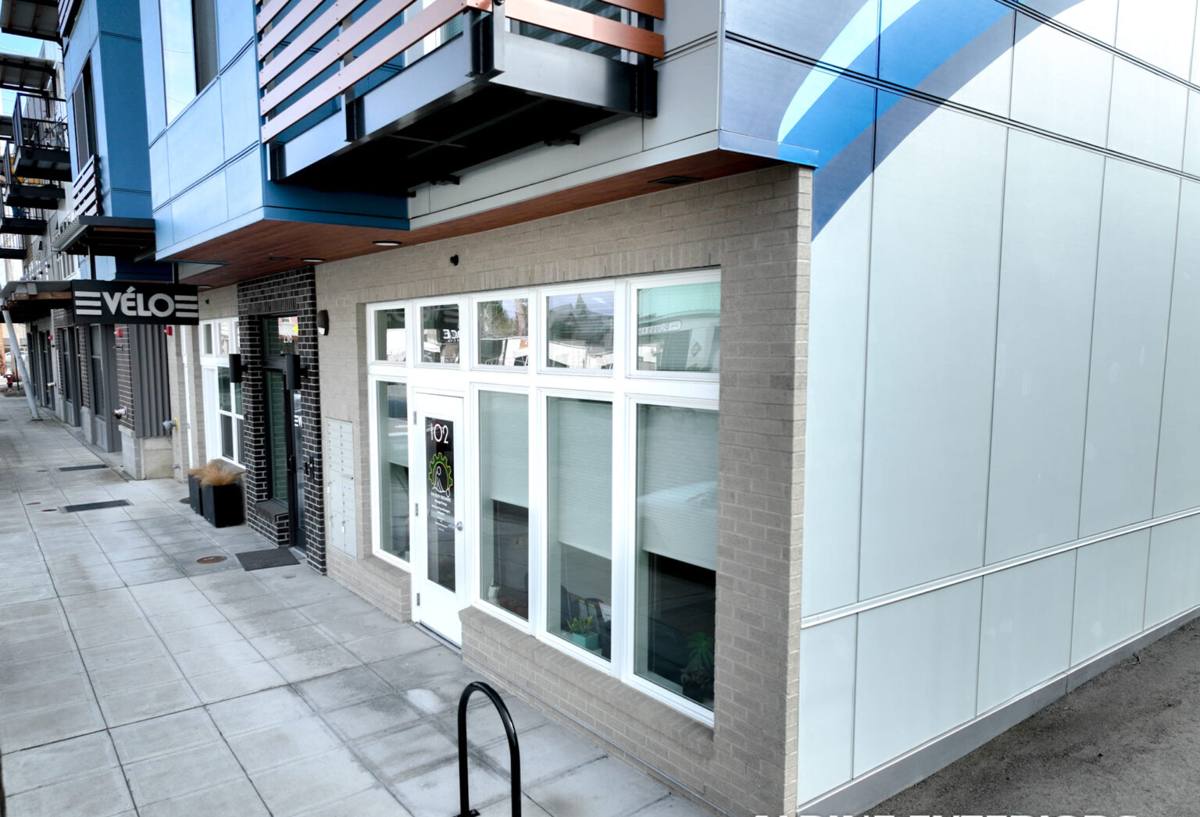
Why New-Construction Installation Is a Different Job Than Replacement
Replacement window work fits a new unit into an existing, already-weathered opening — the surrounding wall is finished, and the installer is working around what's already there. New-construction installation is the opposite: the window goes into a bare, unfinished rough opening, with house wrap, flashing tape, and often the siding itself still to come. That's an advantage, because it means the window can be integrated into the wall's water management system from scratch, rather than patched into it after the fact.
It's also less forgiving. There's no existing trim or siding to hide a mistake, and every layer — sheathing, weather-resistive barrier, flashing, window, sealant, siding — has to be sequenced correctly and lap the right direction so water sheds down and out, never in. On a job this close to the water, that sequencing matters more than it would forty miles inland.
What "Correct" Actually Means Here
A correctly installed new-construction window in a marine climate does three things at once: keeps bulk water out even during driving rain, lets any moisture that does get behind the cladding drain and dry out, and holds an air seal tight enough to keep energy bills and condensation in check. Missing any one of those isn't a minor issue near Fairhaven — it's the difference between a window that lasts the life of the house and one that causes rot inside the wall cavity within a decade.
What Salt Air, Driving Rain, and Moss Season Do to a Window Opening
Coastal air carries salt that accelerates corrosion on unprotected metal fasteners, hinges, and hardware. Driving rain off the bay pushes water sideways into gaps that would stay dry in a calmer climate, which means flashing details that are "good enough" elsewhere often aren't good enough here. And Whatcom County's long, damp moss season keeps north- and shade-facing walls wet for extended stretches, which is exactly the condition that lets any small installation flaw turn into sustained moisture intrusion rather than a quick dry-out.
- Salt exposure: favors corrosion-resistant fasteners and hardware, and frame materials that don't pit or discolor near the coast.
- Driving rain: demands a fully lapped, sloped-sill flashing assembly, not just a bead of caulk at the perimeter.
- Extended damp season: makes drainage planes and back-ventilated cladding details more important than they'd be in a drier climate.
Flashing and Water Management: Where Most Failures Actually Start
Almost every window leak we're called out to diagnose traces back to flashing, not the window unit itself. Modern windows, installed properly, are reliable products. The vulnerable point is always the transition between the window and the surrounding wall assembly.
On a new-construction job, that means building the opening in the right order: a sloped sill pan that directs any water that gets past the window back outside, jamb flashing that laps over the sill pan, and head flashing that laps over the housewrap above the window — so every layer sheds water onto the layer below it, like shingles. Sealant has a role, but it's a backup, not the primary defense. An opening that relies on caulk to do the flashing's job will eventually fail, especially with the rain loads this area sees off the bay.
Choosing a Frame Material for a Coastal, High-Moisture Site
Frame material affects how a window handles both the salt air and the moisture cycling that comes with a wet-dry seasonal swing. There's no single "best" choice for every project — it depends on budget, the home's design, and how exposed the wall is — but the trade-offs are worth understanding before you commit.
| Frame Material | Coastal / Moisture Performance | Maintenance | Notes for This Climate |
|---|---|---|---|
| Vinyl | Good — won't corrode or rot; some color/UV fading over time | Low | Cost-effective, solid standard choice for most new builds here |
| Fiberglass | Very good — dimensionally stable through wet-dry cycling | Low | Handles temperature and moisture swings with minimal expansion/contraction |
| Wood-clad (exterior clad) | Good if detailed correctly — the clad exterior protects the wood core | Moderate | Interior wood look with an exterior shell; installation quality matters more here since any breach exposes the wood core to a wet climate |
| Aluminum | Fair — durable but conducts cold and can be prone to condensation; needs corrosion-resistant coatings near salt air | Low to moderate | More common on commercial or contemporary designs than typical residential builds |
Whatever material a homeowner or builder chooses, we always confirm the hardware and fasteners specified are rated for coastal exposure. Standard interior-grade fasteners can start corroding faster than expected this close to the water.
Nail-Fin vs. Block-Frame: Matching the Install Method to the Wall
New-construction windows typically come in one of two mounting styles, and the wall assembly usually decides which one is right for the project rather than personal preference.
Nail-fin (flush-fin) windows have a flange around the perimeter that gets flashed and fastened directly to the sheathing before the weather-resistive barrier and siding go on. This is the more common approach for wood-framed residential new construction, including most homes going up in and around Fairhaven, because it integrates cleanly with standard housewrap-and-flashing-tape water management.
Block-frame windows sit inside the rough opening and are fastened through the jambs rather than an external flange. These show up more often with masonry, concrete, or certain retrofit and heavier-cladding situations. They require a different flashing strategy since there's no fin to lap the weather barrier over.
Mixing up the wrong method for the wall type — or having a crew default to whatever they're most comfortable with instead of what the assembly calls for — is a common source of long-term problems that don't show up until well after the builder has moved on to the next job.
Our New-Construction Window Process
- Rough opening check: confirm openings are square, level, and sized correctly before any window arrives on site — catching a framing error now is far cheaper than after the window's installed.
- Sill pan and flashing layout: build the sloped sill pan and plan the flashing sequence for that specific wall assembly and cladding type.
- Window set and level: set the unit plumb, level, and square, shimmed correctly so it operates smoothly for years, not just on install day.
- Fastening: fasten per the manufacturer's schedule with corrosion-resistant hardware appropriate for a coastal site.
- Flashing integration: lap jamb and head flashing over the housewrap in the correct shingle-style order, sealing only where sealant belongs — not as a substitute for flashing.
- Insulation and air-sealing: fill the gap between frame and rough opening with a material that stays flexible and doesn't compress the frame, then air-seal the interior side.
- Final inspection: operate every unit, check the reveal and seal, and confirm the assembly is ready for siding and trim to close in over it.
Timing: Coordinating With Framing, Siding, and Trim Crews
New-construction windows sit in the middle of the build schedule, between framing/sheathing and siding/trim, and that timing matters. Install too early, before the weather-resistive barrier is properly lapped and taped, and the window loses its water-management integration. Install too late, and the opening sits exposed to Whatcom County weather longer than it should — including the driving rain this area gets off the water — increasing the odds that water finds its way into unprotected sheathing or framing.
Working the same builds and sequencing repeatedly in this area means we know how to slot into a framing-to-siding schedule without becoming the bottleneck, and we flag sequencing issues (like housewrap installed the wrong direction, or flashing tape applied before the sill pan) before they get buried behind siding.
New-Construction Window Checklist
Whether you're a builder, a homeowner working with a builder, or owner-building, these are the items worth confirming before windows get closed in behind siding:
- Rough openings are square, level, and correctly sized before windows arrive
- Sill pan flashing is sloped to drain outward, not flat or reverse-sloped
- Flashing laps in shingle fashion — head over jambs, jambs over sill pan
- Fasteners and hardware are rated for coastal/salt-air exposure
- Frame material matches the home's exposure and maintenance expectations
- Weather-resistive barrier is continuous and properly taped at all penetrations
- Every window operates smoothly and seals evenly before siding closes it in
- Interior air-sealing is complete, not just exterior weatherproofing
Why a Fairhaven-Experienced Crew Matters
Window installation details that work fine in a dry, inland climate can fall short here. A crew that regularly works the Fairhaven area and greater Ferndale knows which details to hold to a higher standard — sill pan slope, flashing lap direction, fastener corrosion resistance — because they've seen what happens when those details get shortcut on a site exposed to salt air and driving rain. That's not a substitute for good materials or a sound design, but it's the difference between an install that's technically to code and one that's actually built for where it sits.
If you're planning new construction or an addition in the Fairhaven area and want windows installed right the first time, we're happy to walk the plans or the site with you. Reach out for a free, no-pressure estimate — the form below gets you started.