 Ferndale Siding
 Why Sandy Point Decks Wear Out Faster Than Most
Sandy Point sits right up against the water, and that location is exactly why decks here don't age the way they do a few miles inland in Ferndale. A deck built with the same materials and the same fastener schedule as one in a sheltered neighborhood can show corrosion, cupping, and soft framing years ahead of schedule once it's exposed to constant salt-laden air and wind-driven rain off the water. We've replaced enough decks in this stretch of Whatcom County to know the failure patterns are predictable — and preventable, if the original build accounted for the environment in the first place.
This page is about one job: replacing a tired, aging, or failing deck for a Sandy Point home, done in a way that actually holds up to the conditions specific to this stretch of coastline.
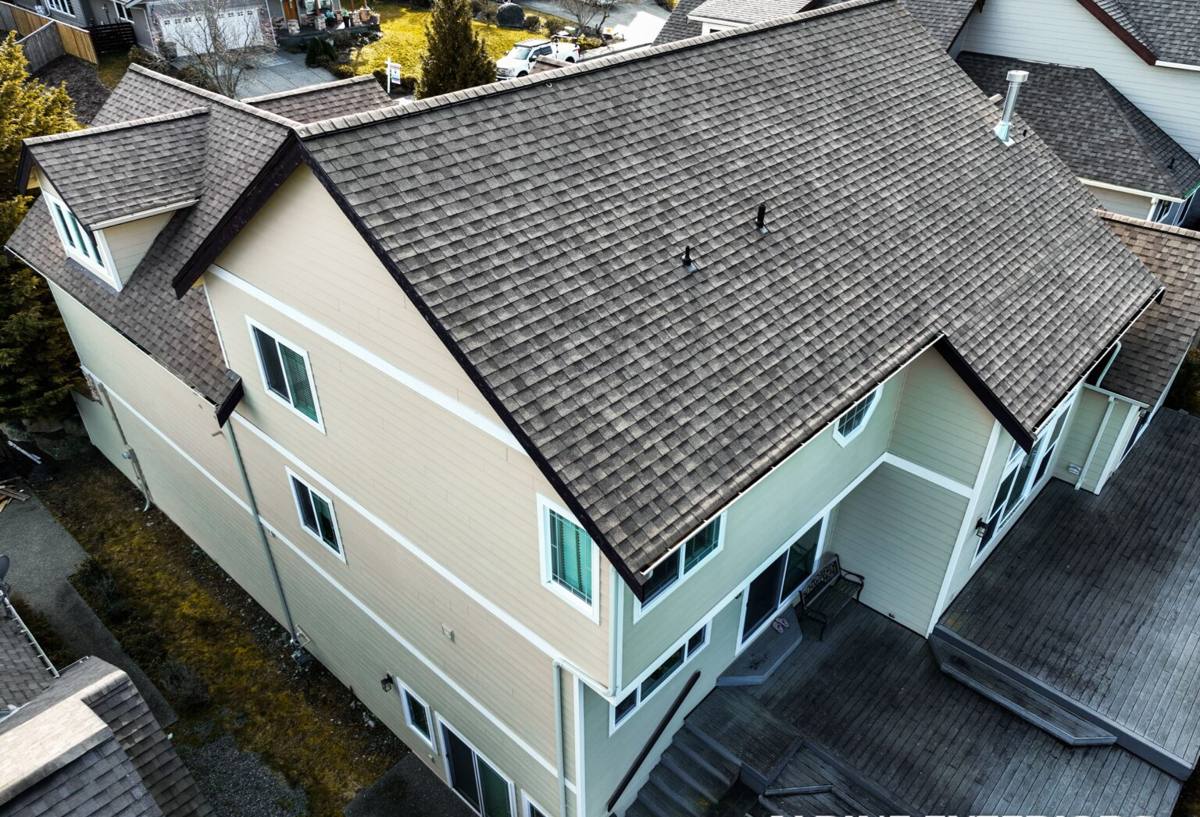
What Salt Air, Driving Rain, and Moss Actually Do to a Deck
Salt-laden air and corrosion
Airborne salt doesn't just affect boats and railings — it settles into every exposed fastener, hinge, and metal connector on a deck. Standard coated screws and nails that would last decades inland can start rusting within a few seasons this close to the water. Once a fastener corrodes, it loses holding strength long before it looks obviously bad, which is part of why decks near the water sometimes feel "loose" before anything looks visibly broken.
Wind-driven rain and end-grain saturation
Rain that comes in sideways off the water finds every gap a calmer climate would never expose — end grain at board cuts, the underside of rail posts, the top of ledger boards where they meet the house. Wood (and even some composites) absorb water fastest through end grain, so a deck built without end caps, proper flashing, or adequate drainage slope will trap moisture in exactly the spots most likely to rot first.
Moss, algae, and the shaded, damp microclimate
Add a long moss season to the mix and you get a surface that stays damp for extended stretches, especially on the north side of the house or under overhangs. Moss and algae aren't just cosmetic — a slick, moisture-holding layer on deck boards accelerates decay underneath it and turns stairs and walking surfaces genuinely slippery. Decking with poor drainage gaps or tight board spacing traps this moisture instead of shedding it.
Signs Your Deck Needs Replacement, Not Just Repair
Not every tired-looking deck needs a full tear-off. But there's a point where patching individual boards is throwing money at a structure that's already compromised underneath. Look for:
- Soft, spongy spots when you walk across the deck, especially near the house or stair landings
- Rust staining bleeding out from screw heads or connector hardware
- Ledger board separating slightly from the house, or visible gaps behind flashing
- Posts or joists that feel loose when you push on the railing
- Persistent moss or dark staining that comes back within weeks of cleaning
- Cracked or split boards concentrated in one area (often a sign of a drainage or flashing problem, not just old age)
- A deck that's more than 15-20 years old and was never rebuilt to current code for railings and guard spacing
If you're seeing two or more of these at once, it's usually a sign the framing itself — not just the surface boards — has been compromised by sustained moisture exposure.
Choosing Decking Material for a Coastal, Salt-Air Environment
There's no single "best" decking material for every budget, but some perform noticeably better than others this close to the water. Here's how the common options stack up specifically for a Sandy Point exposure:
| Material | Salt air / moisture behavior | Maintenance | Typical lifespan here |
|---|---|---|---|
| Pressure-treated wood | Absorbs moisture readily; needs sealing to resist salt intrusion | Annual cleaning and re-staining/sealing | 10-15 years with upkeep |
| Cedar | Naturally rot-resistant but still needs finish maintenance near salt air | Regular oiling/sealing, moss cleaning | 12-18 years with upkeep |
| Composite decking | Doesn't absorb moisture the way wood does; some early composites had moss/mildew issues on surface | Occasional washing, no staining/sealing | 20-25+ years, varies by product line |
| PVC/vinyl decking | Fully moisture-impervious; best resistance to salt and standing water | Occasional washing | 25-30+ years |
We install pressure-treated and cedar decks when that's the look and budget a homeowner wants, but we treat every fastener, cut edge, and connection point as if it's going to see salt air and standing moisture — because it will. For composite and PVC installs, our standard is to still detail the framing and flashing to shed water fast, since the substructure underneath a "low-maintenance" deck surface is still wood and still vulnerable.
Framing, Fasteners, and Flashing — The Parts You Don't See
The decking boards get all the attention, but a deck's actual lifespan near the water is decided by what's underneath and holding it together.
Fastener selection
In a marine-influenced environment, we spec stainless steel or heavy-duty hot-dip galvanized fasteners and structural connectors rather than standard coated hardware. It costs more upfront, but it's the difference between a deck that stays structurally sound for decades and one that develops loose, corroding connections within a handful of years.
Ledger flashing and house connection
The ledger board — where the deck attaches to the house — is the single most common point of hidden water damage on any deck, and driving rain off the water makes it worse. Proper step flashing and a drainage gap between the ledger and the house siding keep water from tracking behind the wall assembly.
Joist protection
We use joist tape or an equivalent moisture barrier on the tops of joists and beams so fastener penetrations aren't sitting in a wicking point for trapped water — a detail that matters more here than in a drier inland location.
Footings in sandy, coastal soil
Soil composition near the water can behave differently than typical Whatcom County clay-loam soils. We size and set footings based on what we actually find when we dig, not a generic assumption, since sandy or loose soil needs different depth and bearing considerations to keep posts from shifting over time.
Our Deck Replacement Process
- On-site assessment — we inspect the existing deck, framing, ledger connection, and footings to confirm what's actually failing versus what's cosmetic.
- Design and material selection — we walk through decking, railing, and fastener options suited to your home's exposure and your maintenance preferences.
- Permitting — we handle the permit application through the appropriate local jurisdiction before any demolition begins.
- Demolition and disposal — full removal of the old deck, including any compromised framing, ledger, or footings.
- Framing and structural work — new or reinforced framing, ledger flashing, joist protection, and footings appropriate to the site.
- Decking, railing, and stairs — installed to current code for guard height and baluster spacing, with corrosion-resistant fasteners throughout.
- Final walkthrough and inspection — we review the finished deck with you and coordinate any required final inspection.
- Site cleanup — full removal of debris and old materials before we consider the job done.
Permits and Working Near the Shoreline
Deck replacement projects generally require a permit, and homes near the water can carry additional considerations around setbacks or shoreline-related review depending on the specific property and its distance from the water. We don't guess on this — we confirm requirements with the relevant local jurisdiction as part of the project so there are no surprises mid-build or during final inspection.
What to Ask Before Hiring a Deck Contractor in Sandy Point
- Do you carry current WA state contractor licensing and liability insurance?
- Will you pull the required permit, or is that left to me?
- What fastener and hardware grade do you use, and why?
- How do you handle ledger flashing and the connection to my house?
- Have you worked on homes in this specific area before, and do you understand the salt air and moisture conditions here?
- What does your warranty cover — labor, materials, or both?
- Can you walk me through how the new railing will meet current code requirements?
Why Local Experience in Sandy Point Actually Matters
A deck built to a generic spec sheet can look fine on install day and still fail early once it meets sustained salt air, driving rain, and a long moss season. Crews who already work this stretch of Whatcom County know which fastener grades hold up, how to detail flashing for wind-driven rain, and what the soil and exposure demand at the footing level — because they've seen what happens when those details get skipped. That experience shows up years later, not on install day, which is exactly when it matters most.
If your deck is showing rust streaks, soft spots, or persistent moss that keeps coming back, we're happy to take a look and give you an honest read on whether it needs replacement or just targeted repair. Reach out for a free, no-pressure estimate using the form below.