 Ferndale Siding
 Windows Built for Sandy Point's Weather, Not Just Any Weather
Sandy Point sits close enough to the water that its homes take a different kind of beating than houses a few miles inland in Ferndale. Salt-laden air, wind-driven rain off the water, and a long stretch of gray, damp months every year all work on window frames, seals, and hardware in ways that inland installers don't always plan for. A window that performs fine in a dry, sheltered lot can fail early in a spot like this if it wasn't installed with the local conditions in mind.
This page is about one job, done right, in one area: window installation for homes in and around Sandy Point. Not a general overview of window types, not a sales pitch — just what actually matters here, what a correct installation looks like, and what to expect if you're getting windows replaced or added to a home in this part of Whatcom County.
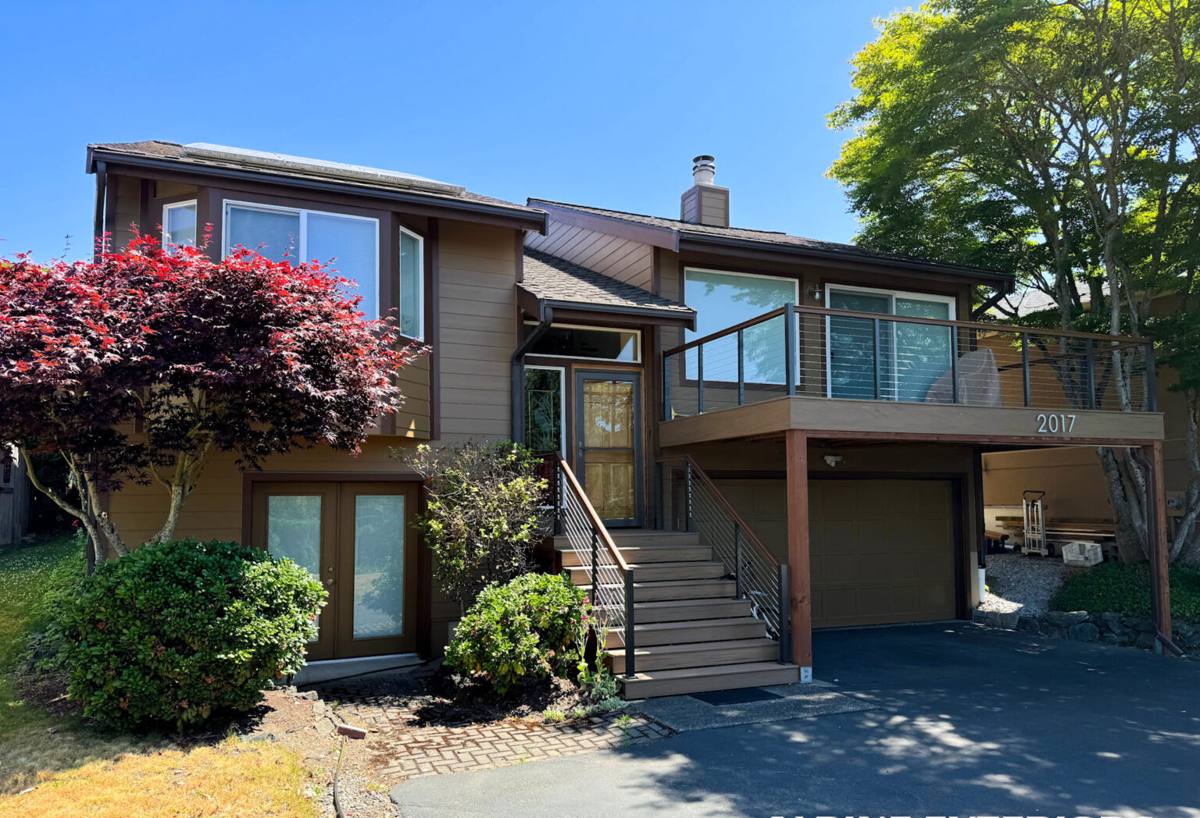
What the Coastal Environment Actually Does to Windows
Salt Air and Hardware Corrosion
Airborne salt doesn't just affect homes right on the water — it travels on the wind and settles on anything exposed, including window frames, screens, and especially metal hardware like hinges, locks, and cranks. Over years, that salt exposure accelerates corrosion on lower-grade fasteners and hardware, which is why hardware quality and finish matter more here than they would on a similar home twenty miles inland.
Wind-Driven Rain and Water Intrusion
Rain that falls straight down is easy to shed. Rain that's pushed sideways by wind off the water is a different problem — it gets pushed up under trim, into gaps around the frame, and behind flashing that wasn't lapped correctly. Most window leaks people deal with years after an installation aren't glass failures; they're flashing and sealant details that weren't built for sideways rain in the first place.
Moss, Mildew, and Shaded Exposures
Whatcom County's long wet season keeps moisture sitting on north-facing and shaded surfaces for months at a stretch, and window sills, tracks, and lower frame edges are no exception. On wooded or partly shaded lots, which are common around Sandy Point, moss and mildew can build up in sill tracks and weep holes, holding moisture against the frame and, over time, contributing to wood rot at the sub-sill even on otherwise well-built windows.
What a Correct Window Installation Involves Here
A window installation is only as good as the details nobody sees once the trim goes back on. In a coastal, high-rain environment, a few of those details matter more than usual.
Flashing and Drainage
Proper installation means flashing tape and pan flashing installed in the correct shingle-lap order — each layer overlapping the one below it so water is always directed outward and down, never trapped behind the wall assembly. Weep holes have to stay clear so any water that does get behind the window can drain back out.
Sealants That Move With the Building
Wood-frame houses expand and contract with temperature and moisture changes, and a rigid or cheap sealant will crack at those movement points within a few seasons. A flexible, exterior-grade sealant rated for the joint width and movement it will actually see holds up far longer, especially on south- and west-facing walls that see the most temperature swing.
Fastening and Shimming
Windows need to be shimmed square and plumb, then fastened per the manufacturer's schedule — not just a few screws wherever convenient. An out-of-square window puts uneven stress on the seals and the operating hardware, which shows up later as a window that's hard to open or that leaks air around one corner.
Choosing Window Materials for a Salt-Air, High-Rain Climate
There's no single "best" window brand for this area — what matters is choosing materials and hardware rated for coastal exposure and making sure the installation backs that up. Here's how the common frame options generally hold up in these conditions:
| Frame Material | Coastal Durability | Maintenance | Typical Trade-Off |
|---|---|---|---|
| Vinyl | Good — won't corrode or rot, handles salt air well | Low | Limited color/finish options; can flex on very large sizes |
| Fiberglass | Very good — dimensionally stable, resists moisture and salt | Low | Higher upfront cost than vinyl |
| Aluminum-Clad Wood | Good exterior protection, but interior wood needs upkeep if seals fail | Moderate | Attractive interior wood look; relies on the seal staying intact |
| Bare Wood | Poor without diligent upkeep in this climate | High | Classic look, but salt air and moss-season moisture accelerate rot |
Hardware finish matters as much as frame material. Look for corrosion-resistant coatings on hinges, cranks, and locks — this is a small line item that makes a real difference in how smoothly a window still operates ten years in.
Glass and Efficiency
Whatcom County's climate is mild but persistently damp, which puts more emphasis on managing condensation and drafts than on extreme heat or cold. A quality low-E coated, double-pane unit is usually sufficient for most Sandy Point homes; triple-pane adds cost and weight and is worth considering mainly for homes with more direct wind exposure or for owners prioritizing sound reduction from wind and weather.
Signs Your Windows Need Attention
Coastal wear doesn't always show up as an obvious leak. Watch for these signs, especially on windows facing the water or in shaded areas of the lot:
- Fogging or moisture between the panes (a sign the seal has failed)
- Hardware that's stiff, corroded, or won't lock cleanly anymore
- Soft or discolored wood trim around the frame
- Visible moss or persistent green staining in the sill track
- Drafts you can feel around the frame edge on a windy day
- Paint or finish that's peeling or bubbling near the sill
- Difficulty opening or closing a window that used to move freely
Our Process for a Sandy Point Installation
- On-site assessment. We look at existing window condition, framing, siding type, and exposure — a shaded, tree-lined lot gets a different plan than an open, wind-exposed one.
- Product selection. We walk through frame material, glass package, and hardware options based on that specific home's exposure and your budget, not a one-size-fits-all recommendation.
- Prep and removal. Old units are removed carefully, and we inspect the framing and sub-sill underneath for any hidden moisture damage before anything new goes in.
- Installation. Flashing, shimming, fastening, and sealing are done to the standard described above — the parts that determine whether this holds up through the next twenty wet seasons.
- Final check and cleanup. Every window is tested for smooth operation and a tight seal, and the work area is cleaned up before we leave.
Why a Ferndale-Based Crew Matters
Anyone can install a window on a calm, dry day. The difference shows up in whether the flashing and sealant details were built for driving rain and salt air, or just for a standard inland install. A crew that regularly works homes around Ferndale and Sandy Point already knows which details to prioritize here, how the local building department handles permitting for window replacements, and how to schedule around this area's weather rather than getting caught mid-install by a wind-driven storm off the water.
There's also a practical side to being local: faster response if a question comes up after the job, and a crew that isn't driving in from out of the area for a warranty check.
What Affects the Cost of a Window Installation Here
Every home is different, but a few factors consistently move the price on jobs in this area more than they would on a typical inland install:
| Factor | Why It Matters Here |
|---|---|
| Frame material | Fiberglass and quality vinyl cost more than bare wood upfront but need far less upkeep in salt air |
| Number and size of windows | Larger openings need more structural support and take longer to flash correctly |
| Hidden moisture damage | Rot found at the sub-sill or framing during removal adds repair work before the new window can go in |
| Exposure level | Wind- and rain-exposed elevations warrant upgraded flashing details and sealants over sheltered walls |
| Custom sizing | Non-standard openings require custom-order units, which affects both cost and lead time |
Broadly, straightforward vinyl replacements in a standard opening tend to run toward the lower end of the market range per window, while larger custom units, fiberglass upgrades, or jobs with framing repair discovered along the way push toward the higher end. We'll always give you the real number for your specific windows before any work starts, not a rough guess.
Get a Free, No-Pressure Estimate
If you're dealing with drafty, foggy, or hard-to-operate windows on a Sandy Point home, or just planning ahead before the next wet season sets in, we're glad to take a look. The estimate is free, there's no pressure to book anything on the spot, and you'll get a straight answer about what your windows actually need. Use the form below to get started.