 Ferndale Siding
 Deck Replacement Built for Semiahmoo's Marine Climate
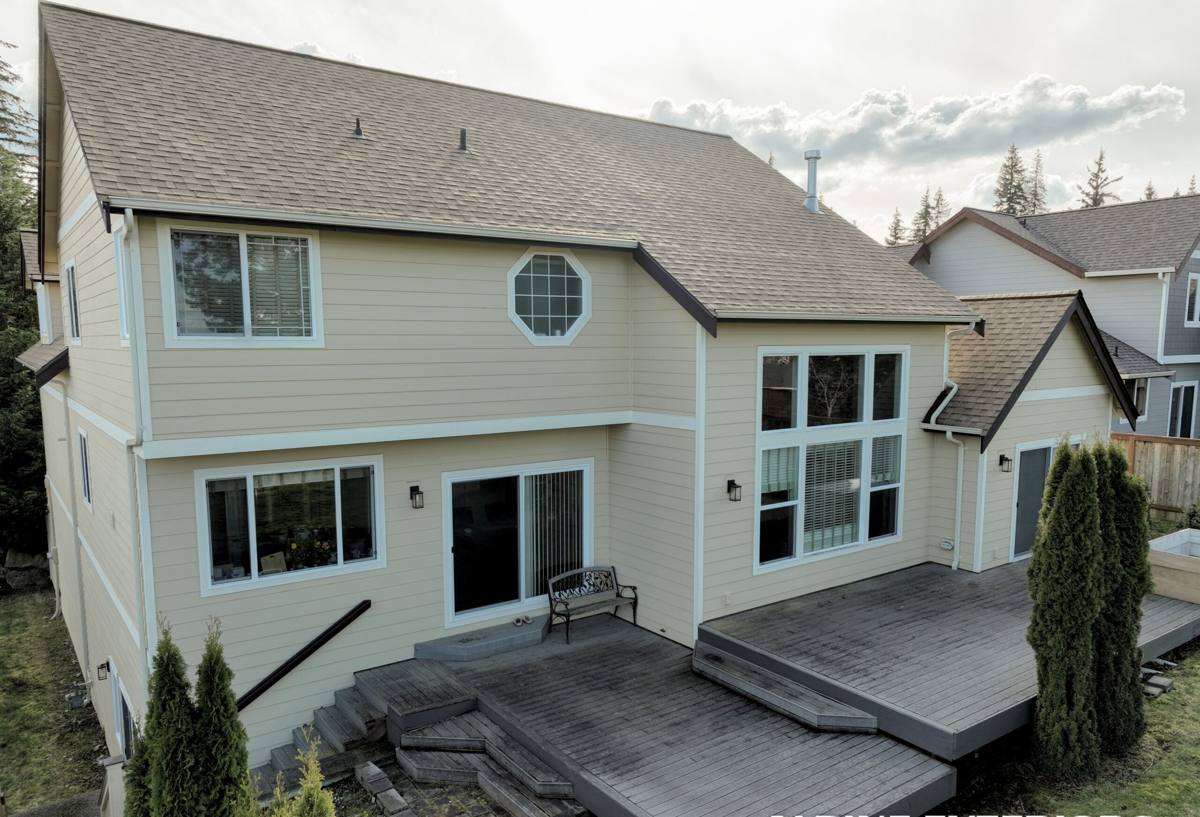
Semiahmoo sits close enough to the water that homes here take a different kind of weathering than decks a few miles inland. Salt-laden air off the bay, near-constant winter moisture, and long stretches of low sun that never quite dry out shaded framing all add up. A deck that would last fifteen or twenty years in a drier, sunnier climate can start failing structurally in half that time out here if it wasn't built or maintained with this environment in mind. Deck replacement in this part of Whatcom County isn't just a cosmetic upgrade — it's about matching the materials and construction details to conditions that are genuinely harder on wood, fasteners, and connectors than most of the country ever sees.
This page covers what's specific to replacing a deck in Semiahmoo: what the climate actually does to decking systems, how to tell when repair stops making sense, what materials hold up best, and what a correctly built replacement involves from the ground up.
What Salt Air, Driving Rain, and Moss Actually Do to a Deck
It helps to understand the specific failure patterns before talking about fixes, because the visible damage on top of a deck is rarely the whole story underneath.
Salt Air and Metal Fasteners
Airborne salt accelerates corrosion on nails, screws, joist hangers, and post bases — even galvanized hardware can start rusting years earlier near open water than it would inland. Once fasteners weaken, the connections holding the deck to the house and the frame together lose strength long before the boards on top look bad. This is one of the main reasons a deck can look fine from a distance but fail an actual structural inspection.
Driving Rain and Water Intrusion
Wind-driven rain off the bay doesn't just fall straight down — it gets pushed sideways under railings, into ledger board connections, and behind poorly flashed trim. Water that gets trapped rather than shed causes rot from the inside out, which is often worse than surface weathering because it's hidden until a board or post is already compromised.
Moss, Algae, and a Long Wet Season
Whatcom County's wet season runs long, and shaded or north-facing decks in Semiahmoo can stay damp for weeks at a stretch. That moisture supports moss and algae growth, which holds even more water against the wood and turns deck surfaces slick and slippery — a real safety issue on stairs and ramps, not just an appearance problem.
Repair or Replace? Reading the Warning Signs
Not every aging deck needs full replacement, but in a coastal climate the line between "repairable" and "start over" gets crossed faster than homeowners expect. Some signs point clearly toward replacement rather than patching:
- Soft, spongy, or spring-loaded decking boards, especially near the house or in shaded corners
- Visible rust streaking from fasteners or hardware, or hardware that's crumbling rather than just discolored
- A ledger board connection that shows gaps, staining, or movement where the deck meets the house
- Posts or support beams with soft wood you can probe with a screwdriver
- Persistent moss or algae that returns within weeks of cleaning, especially on the same boards each time
- A deck that predates current code requirements for ledger attachment and railing height
If the damage is limited to a handful of boards and the frame underneath tests solid, repair can be the honest answer. If the framing, ledger connection, or support posts are compromised, patching the surface just buys a little time before the same problems resurface — often at a worse point.
Choosing Decking Materials for This Environment
Material choice matters more here than in a lot of climates, because salt exposure and constant dampness punish some products faster than others. There's no single "best" material for every budget and taste, but the trade-offs are worth understanding before deciding.
| Material | Performance in Salt Air & Wet Climate | Maintenance | Typical Lifespan |
|---|---|---|---|
| Pressure-treated wood | Good if properly sealed and maintained; fasteners are the weak point | Annual cleaning and periodic re-sealing | 10–15 years |
| Cedar | Naturally rot-resistant but softer and needs regular finish upkeep near salt air | Refinishing every 1–3 years | 15–20 years |
| Composite decking | Handles moisture and salt exposure well; won't rot or splinter | Occasional washing, no sealing | 25–30 years |
| PVC/cellular decking | Fully moisture-resistant, best choice for shaded or water-facing decks | Low — periodic washing | 25–30+ years |
We typically steer Semiahmoo homeowners toward composite or PVC decking on decks that face open water or stay shaded through winter, simply because those boards don't absorb moisture the way wood does, so there's nothing for algae to root into and nothing for salt to break down at a fiber level. That said, plenty of homeowners still want the look and feel of real wood, and a well-built cedar or treated deck with the right fasteners and finish schedule can perform well too — it just asks for more upkeep. We'll walk through the honest trade-offs for your specific site rather than push one product line.
What a Correct Deck Replacement Actually Involves
A deck replacement is more than pulling up old boards and screwing down new ones. In a coastal climate especially, the parts you don't see matter as much as the surface.
Ledger Board and Flashing
The ledger board — where the deck attaches to the house — is the single most common point of failure on older decks, and it's also the hardest place for wind-driven rain to be kept out of if it's flashed incorrectly. A correct replacement uses proper ledger flashing that sheds water away from the house framing, not just caulk over the top.
Fasteners and Hardware
Given the salt exposure common around Semiahmoo, we use corrosion-resistant fasteners and connectors rated for the actual environment, not just standard galvanized hardware. This costs a little more up front and saves years of hidden corrosion later.
Framing and Structural Support
Posts, beams, and joists get sized and spaced to current code, with post bases set to keep wood off standing water and framing ventilated so damp air can actually dry out between rain events rather than staying trapped underneath the deck.
Permits and Code
Deck replacements involving structural changes typically require a permit through the local jurisdiction. We handle that process as part of the job so railing height, guard spacing, and structural connections meet current requirements — important both for safety and for resale down the road.
Our Deck Replacement Process
We keep the process straightforward and communicate clearly at each stage, since a deck replacement affects how you use your outdoor space for a few weeks.
- On-site assessment of the existing deck, including probing the ledger connection, posts, and framing for hidden damage
- Honest recommendation on repair versus full replacement, with reasoning you can verify yourself
- Material selection walkthrough based on your budget, sun/shade exposure, and how close the deck sits to open water
- Permit handling where required
- Demolition and disposal of the old structure
- New framing with corrosion-resistant hardware and correctly flashed ledger connection
- Decking, railing, and stair installation to current code
- Final walkthrough so you know what maintenance schedule fits your new deck and this climate
What Affects the Cost of a Deck Replacement
Every deck is different, so we won't quote a number without seeing the site, but these are the factors that move a project up or down in price:
| Factor | Why It Matters |
|---|---|
| Deck size and shape | More square footage and complex angles mean more material and labor |
| Decking material chosen | Composite and PVC cost more upfront than wood but less over the deck's life |
| Height and structure | Elevated decks and those requiring engineered support cost more than ground-level builds |
| Railing and stair complexity | Custom railings, multiple stair sets, or grade changes add labor |
| Extent of hidden damage | Rot found in ledger connections or framing during demo can add scope |
| Permit requirements | Structural changes and rebuilds typically require permitting time and fees |
Keeping a New Deck Healthy in Semiahmoo's Climate
Whatever material you choose, a little seasonal attention goes a long way here. Clear leaves and debris out of gaps between boards so water and moss don't sit against the wood or composite surface. Rinse off salt residue and organic buildup a couple times a year, especially on shaded or water-facing sections. If you go with wood decking, keep to a sealing schedule rather than waiting until it visibly needs it — by the time cedar or treated lumber looks dry and gray, moisture protection has usually already broken down underneath. Composite and PVC owners still benefit from an occasional wash, even though they don't need sealing.
Why a Crew That Already Works in Semiahmoo Matters
Deck construction that works fine in a dry inland climate can underperform badly on a coastal site, and a crew unfamiliar with what salt air and driving rain do to fasteners and framing may not know to spec differently. We work throughout Ferndale and the surrounding Whatcom County coastline, including Semiahmoo, and we build to the conditions actually present at each site rather than a generic spec. That means matching hardware, flashing details, and material choices to how exposed a given deck is — a covered deck tucked against the house doesn't need the same approach as an open deck facing the water.
If you're weighing repair versus replacement, or just want an honest read on how much life is left in your current deck, we're happy to take a look. Reach out for a free, no-pressure estimate using the form below.