 Ferndale Siding
 Siding Repair Built Around Lynden's Weather, Not a Generic Checklist
Lynden sits far enough inland from the coast that people sometimes assume the salt air and marine moisture that hammer waterfront homes don't reach them. They do — just on a slower timeline. Whatcom County's weather doesn't spare the Lynden area: driving rain off the Nooksack valley, long stretches of damp shade under mature trees, and a moss season that can run eight months or more all put steady pressure on exterior siding. The difference between a repair that lasts and one that fails again in two winters usually comes down to whether the crew doing the work actually understands what's happening behind the siding, not just what's visible on the surface.
We're a Ferndale-based crew that works this stretch of Whatcom County regularly, and Lynden repair calls are a normal part of our week — not a special trip. That matters more than homeowners often expect, and we'll explain why below.
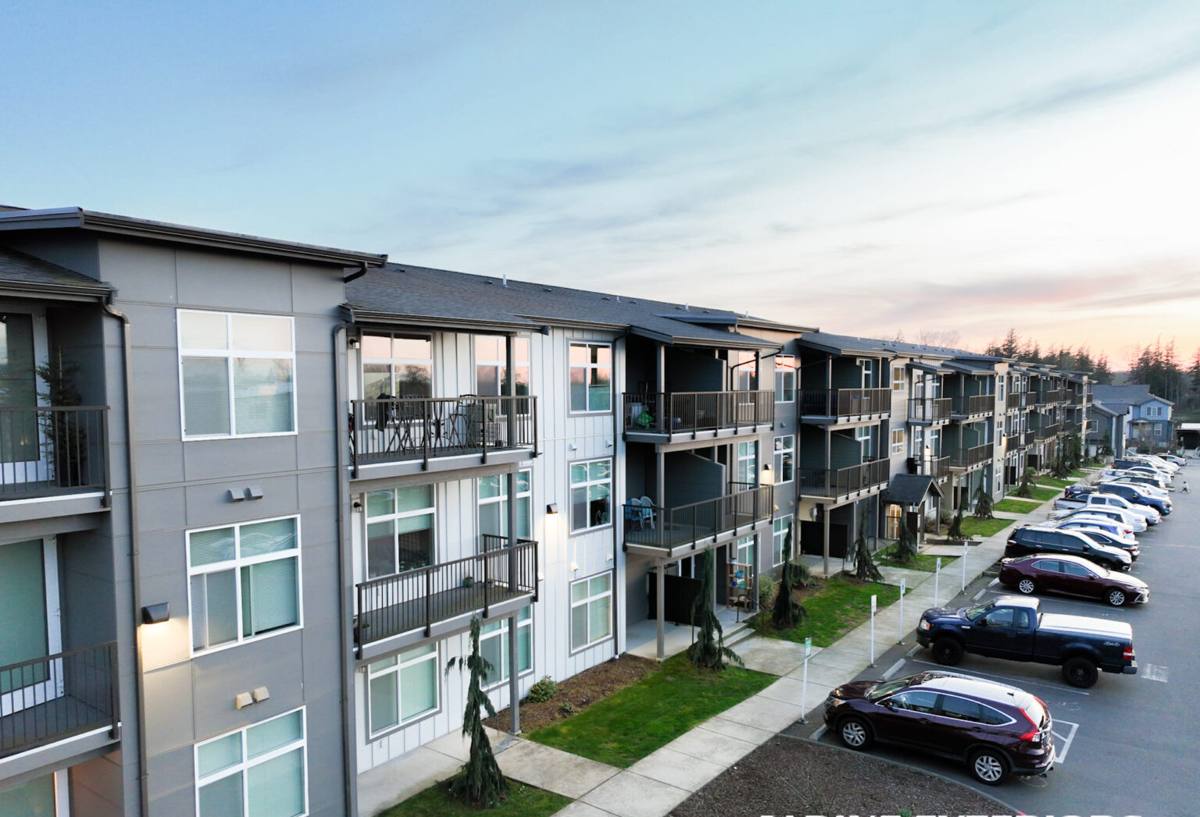
What Lynden's Climate Actually Does to Siding
Driving Rain and Wind-Driven Moisture
Lynden gets weather systems that push rain sideways, not just down. That matters because siding is designed primarily to shed water that falls on it vertically — wind-driven rain forces water up under laps, around trim, and into any gap where the water-resistive barrier or flashing details weren't done correctly. Over years, this is how small installation shortcuts turn into rot, even on siding that looks fine from the street.
Long Moss and Algae Season
Whatcom County's damp, mild winters and shoulder seasons give moss and algae a long runway to establish themselves — especially on north-facing walls, under eaves, and anywhere tree cover keeps a wall shaded and slow to dry. Moss holds moisture directly against the siding surface for weeks at a time. On products that aren't dimensionally stable or that absorb water readily, that constant damp contact accelerates swelling, delamination, and paint failure.
Freeze-Thaw Cycling
Lynden doesn't get brutal winters, but it gets enough freeze-thaw swings each year that any water already trapped in siding, trim, or sheathing gets a chance to expand and contract repeatedly. This is often what turns a small hidden moisture problem into a visibly cracked or buckled section of wall.
How to Tell If Lynden Siding Needs Repair — or Something More
Homeowners often call about one visible symptom, but a proper inspection looks at the whole wall system. Common signs we check for on Lynden service calls:
- Soft or spongy spots when pressed, especially near the bottom courses and around window and door trim
- Visible cupping, buckling, or separation at panel seams
- Persistent moss or algae staining that keeps returning after cleaning
- Peeling or bubbling paint, particularly on shaded or north-facing walls
- Dark staining or streaking below butt joints and nail heads
- Gaps or cracks that have opened up around caulked joints and trim
- Visible daylight or drafts at penetrations like hose bibs, vents, or electrical fixtures
Any one of these can be a simple, contained repair. Several together — especially soft spots plus staining — usually mean moisture has been getting behind the siding for a while, and the repair needs to start with removing enough material to see what's actually happening underneath before patching anything back.
What a Correct Repair Actually Involves
A repair that just covers the visible damage without addressing the cause is a repair you'll be paying for again. Our process on Lynden homes generally follows the same sequence:
- Inspect beyond the symptom. We pull back or remove the affected siding and check the water-resistive barrier, flashing, and sheathing underneath — not just the piece that looks bad.
- Identify the entry point. Damage rarely originates where it shows up. A stain three feet away from a leak is common; we trace the path, not just the stain.
- Replace compromised material. Rotted sheathing, failed barrier, or damaged framing gets replaced — patching siding over a soft substrate doesn't fix anything.
- Correct the flashing and water management. Most repeat failures trace back to flashing that was missing, reversed, or improperly lapped. We fix the detail, not just the symptom.
- Match and install the replacement siding. Panels, joints, and fasteners are installed to the manufacturer's specification, with attention to gaps, caulk joints, and paint or finish matching so the repair blends in rather than standing out.
- Final check for moisture paths. Before we consider the job done, we re-check the surrounding area for any other early-stage issues nearby, since problems in one section often start showing up in adjacent areas too.
Why the Siding Material Affects How the Repair Holds Up
What the repair is made of matters as much as how it's installed, especially in a climate like Lynden's. This is also where our company's standard comes in directly: we only install James Hardie fiber cement siding, and we don't install vinyl, LP SmartSide, Cemplank, Allura, primed spruce, or cedar. That's not a marketing position — it's a practical one, shaped by what we see on repair calls across Whatcom County.
How Common Materials Hold Up to Moss-Season Moisture
| Material | Behavior in prolonged damp/moss conditions | Repair implications |
|---|---|---|
| Vinyl siding | Doesn't rot, but expands/contracts with temperature and can warp or crack; doesn't stop moisture reaching the barrier behind it | Panels are easy to swap, but underlying moisture damage is often missed since vinyl hides it well |
| Wood-based composite (LP SmartSide, similar) | Engineered wood strand product; edges and cut ends are vulnerable if not sealed and maintained | Swelling at joints and fastener points is a common repeat-repair pattern in wet climates |
| Primed spruce / cedar | Natural wood; absorbs moisture readily, especially under moss and shade; needs consistent repainting to stay protected | Rot risk is higher without diligent maintenance; repairs often reveal wider decay than expected |
| James Hardie fiber cement | Non-combustible, dimensionally stable, doesn't absorb and swell the way wood-based products do | When damage does occur, it's typically from a flashing or installation issue, not the material itself failing |
To be fair to these other products: vinyl is inexpensive and low-maintenance in a lot of respects, engineered wood composites have improved a great deal, and cedar has real aesthetic appeal that some homeowners specifically want. Our decision to install only James Hardie isn't a claim that everything else is inferior in every way — it's that, weighed against Whatcom County's moisture and moss exposure, Hardie's stability and factory-applied ColorPlus finish give us the most confidence in a repair holding for the long term, without repeat callbacks.
Repair vs. Replacement — What Actually Decides It
Not every Lynden siding problem needs full replacement, and we won't push a bigger job than the house needs. The decision usually comes down to a few factors:
| Factor | Favors repair | Favors broader replacement |
|---|---|---|
| Extent of damage | Isolated to one or two areas | Recurring across multiple walls or elevations |
| Underlying sheathing condition | Sound once affected siding is removed | Soft, delaminated, or rotted over a wide area |
| Age and condition of remaining siding | Rest of the siding is in good shape and material is still available to match | Remaining siding is near end of life or original material is discontinued |
| Root cause | A contained, fixable flashing or trim issue | Systemic water management problems across the whole envelope |
Why a Ferndale Crew That Already Works Lynden Is Worth Choosing
Whatcom County's western half — Ferndale, Lynden, and the smaller communities between them — shares the same coastal-influenced weather pattern, but every neighborhood has its own quirks: tree cover, wind exposure, elevation, how close a given street is to the Nooksack floodplain. A crew that works this area routinely builds a working knowledge of those patterns that a company driving in from outside the county simply doesn't have yet. That shows up in small but real ways: knowing which wall orientations tend to hold moss longest, recognizing flashing shortcuts common in certain building eras, and being able to source matching materials quickly because we already know local suppliers.
It also means accountability. If a repair doesn't hold up, we're not a company you have to track down two counties away — we're already working in Lynden and Ferndale on a regular basis.
What to Expect When You Call Us
- A straightforward phone conversation about what you're seeing and where
- An on-site inspection where we look at the affected area and check for related issues nearby
- A clear explanation of what we find, including whether it's a contained repair or something bigger
- A written estimate before any work starts — no pressure, no upsell script
- Repair work done to manufacturer specification, with attention to the flashing and water management details that determine whether it lasts
Maintenance That Extends the Life of a Lynden Repair
Once a repair is done right, a little seasonal attention keeps it that way. We recommend homeowners in this area:
- Rinse moss and algae off shaded or north-facing walls before it builds up thick enough to hold constant moisture
- Keep gutters clear so overflow isn't running down wall sections during heavy rain
- Trim back vegetation and tree limbs that keep siding shaded and slow to dry
- Re-caulk trim joints if they show early cracking, before water gets a path behind the siding
- Have any new staining or soft spots checked promptly rather than waiting for the next symptom to show up elsewhere
If you're seeing early signs of trouble on a Lynden-area home — or you already know you have a problem and just want it fixed right the first time — we're happy to come take a look. Reach out for a free, no-pressure estimate using the form below.