 Ferndale Siding
 Siding Installation in Sudden Valley: What This Ferndale Neighborhood Actually Needs
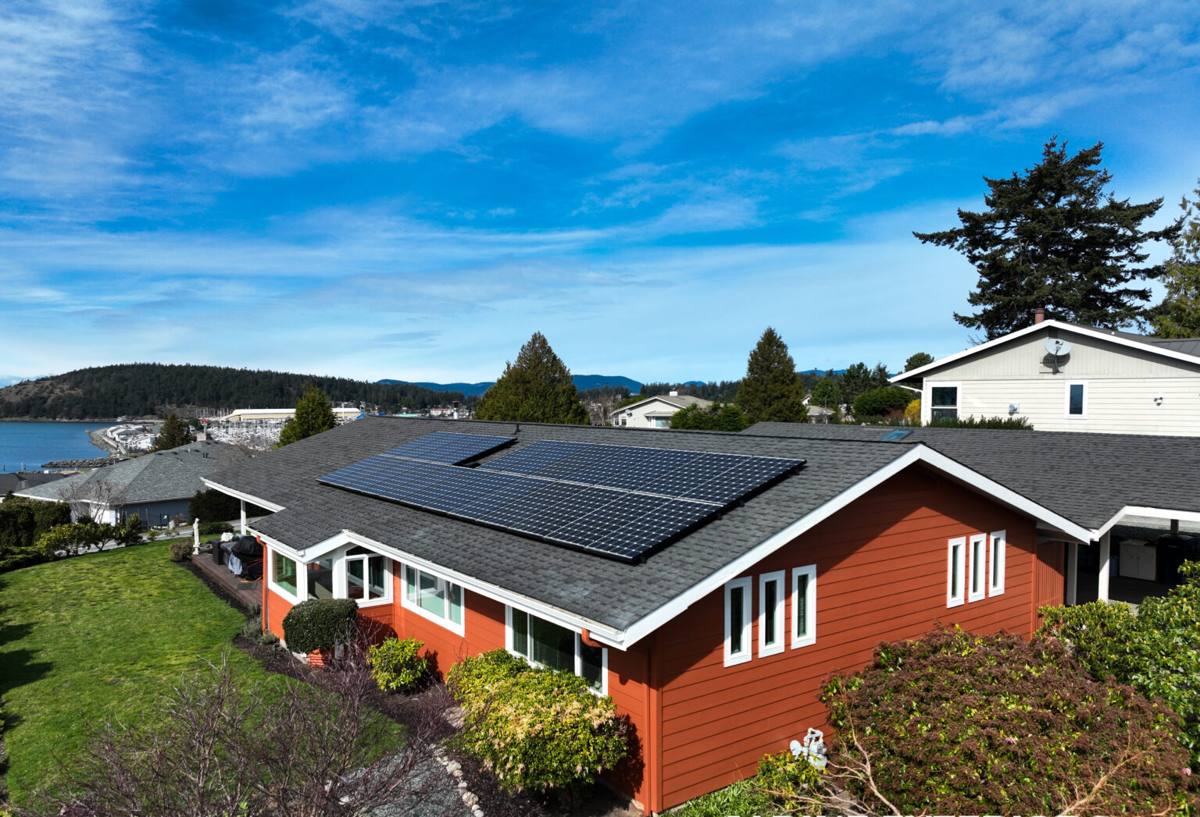
Sudden Valley is a residential pocket of the greater Ferndale, Washington area, and like most of Whatcom County's lowland neighborhoods, it sits close enough to the water that salt-tinged marine air is a constant, not an occasional visitor. Add in driving rain off the Strait of Georgia weather pattern and a long, gray moss season that stretches from fall through spring, and you've got a climate that is genuinely harder on exterior siding than a lot of homeowners assume when they're comparing quotes. We install siding throughout this part of Ferndale, and the approach we take here is built around what this specific stretch of Whatcom County does to a wall system over ten, twenty, and thirty years — not a generic install that happens to look fine on installation day.
On siding, we install one product: James Hardie fiber cement. That's not a marketing angle. It's the material we've settled on after years of tear-offs and service calls on homes in exactly this kind of coastal, moss-prone environment, watching which materials actually hold up and which ones quietly start failing behind a still-decent-looking surface.
Salt Air and Coastal Moisture
Airborne salt doesn't just corrode metal — it also accelerates the breakdown of paint films, caulking, and any siding material that depends on a surface coating to stay watertight. Homes in Sudden Valley that sit exposed to prevailing marine wind tend to show finish wear on their south- and west-facing walls years before the same product would fail on a more sheltered, inland property. That's a real factor in material selection, not a cosmetic detail.
Driving Rain and Wind-Driven Exposure
Rain in this part of Whatcom County rarely falls straight down. Wind off the water pushes it sideways into wall assemblies, which means water management details — flashing, weather-resistive barriers, lap orientation, joint sealing — carry more of the performance burden here than they would in a calmer inland climate. A siding system that's only mediocre at shedding wind-driven rain will eventually let moisture behind the cladding, and once that happens the problem is inside the wall, not on the surface where it's easy to see.
A Long Moss Season
Cool temperatures, persistent damp, and shade from mature trees found throughout Sudden Valley combine into a moss and mildew season that runs most of the year. Roofs usually show it first, but porous or moisture-retentive siding materials pick up the same growth, especially on north-facing walls that never get a full day of direct sun to dry out. Siding that holds moisture at the surface gives moss and mildew exactly the foothold they need.
Why We Only Install James Hardie Fiber Cement Siding
We used to offer a broader lineup of siding products. We narrowed it to one after seeing, repeatedly, which materials held up to salt air, wind-driven rain, and a long wet season — and which ones didn't, regardless of how they were marketed.
- Non-combustible core: Fiber cement won't feed a fire the way wood-based siding can, which matters for both safety and, in many cases, insurance underwriting.
- Factory-applied ColorPlus finish: The color is baked on under controlled factory conditions rather than field-applied, so it resists the fading, chalking, and moisture intrusion that salt air and prolonged dampness accelerate in site-painted finishes.
- Climate-engineered HZ product lines: Hardie's HZ5 formulation is built for regions with heavy moisture exposure and freeze-thaw cycling, which describes Whatcom County's coastal-influenced climate well.
- Dimensional stability: Fiber cement doesn't swell, cup, or warp the way engineered wood products can after repeated wetting cycles that never fully resolve in a damp, shaded climate.
- Strong transferable warranty: Hardie backs its products with a substantial warranty, provided the installation follows their published specifications.
We don't install LP SmartSide, vinyl siding, Cemplank, Allura, primed spruce, or cedar. Each of those has a legitimate place in the market, and plenty of homeowners elsewhere are satisfied with them. But on a coastal, moss-prone property like a typical Sudden Valley home, we've made a professional call that we'd rather stand fully behind one system than offer a cheaper option that quietly shifts long-term maintenance risk back onto the homeowner.
What a Correct Siding Installation Actually Involves
Fiber cement only performs the way it's engineered to when the installation follows Hardie's published specifications to the letter. In a climate like this one, cutting corners on any of the following is exactly what turns a thirty-year product into a fifteen-year problem.
- Full tear-off and inspection of the existing wall sheathing for rot, soft spots, or prior water damage before anything new goes up
- Repair or replacement of any damaged sheathing rather than covering it over
- A continuous, properly lapped weather-resistive barrier behind the siding, not just a patchwork of leftover material
- Correct flashing at every window, door, roofline, and wall penetration, lapped to shed water downward and outward
- Drainage or rain-screen detailing where the wall assembly calls for it, so any moisture that does get behind the cladding can actually drain and dry
- Hardie's specified fastener type, spacing, and penetration depth — not whatever fits the crew's nail gun that day
- Proper clearance from grade, roofline, and other transitions, per manufacturer minimums
- Correctly sealed joints and trim, using products rated for the exposure they'll face
None of this is optional trim work. On a home exposed to wind-driven rain and salt air, a loosely installed product will develop moisture problems regardless of how good the siding material itself is. The installation is what determines whether the material's engineering actually shows up in the wall's real-world performance.
Our Installation Process for Sudden Valley Homes
We start with an on-site assessment of the existing exterior, paying particular attention to which walls take the most direct wind and rain exposure and which ones sit in persistent shade where moss and mildew tend to establish first. That assessment shapes the drainage and flashing detailing we plan for each elevation, since exposure can vary noticeably from one side of a house to the other even on a single lot.
From there, we put together a clear written scope covering material, color, trim details, and timeline before any work begins — no verbal estimates that turn into surprises once the tear-off starts. Once the existing siding comes off, we inspect the sheathing underneath and address anything we find before a single new panel goes up; covering existing damage is never part of how we work.
Installation follows in sequence: weather-resistive barrier, flashing at every penetration, then the Hardie siding itself installed to manufacturer fastening and clearance specifications, with trim and joint sealing done last. We do a final walkthrough with the homeowner before calling the job complete, and we clean up the site thoroughly — old siding, packaging, and job debris don't get left for the homeowner to deal with.
Comparing Siding Materials in a Coastal, Moss-Prone Climate
| Material | Behavior in Salt Air & Wind-Driven Rain | Moss & Mildew Resistance | Typical Longevity Here |
|---|---|---|---|
| James Hardie fiber cement | Dimensionally stable; factory finish resists salt-accelerated fading and moisture intrusion | Non-porous surface sheds moisture rather than holding it | 30+ years with correct installation |
| Vinyl siding | Can flex, warp, or crack under sustained wind exposure; seams can trap moisture | Moderate; grime and moss can build in panel seams | Variable; shorter on exposed, wind-facing elevations |
| LP SmartSide / engineered wood | Wood-based core is moisture-sensitive at cut edges and joints exposed to wind-driven rain | Moderate to poor without diligent edge sealing and upkeep | Depends heavily on installation quality and maintenance |
| Cedar / primed wood | Absorbs and releases moisture readily; salt air accelerates finish breakdown | Poor without frequent refinishing | Shorter without consistent, ongoing maintenance |
What Siding Installation Costs Depend On
Every Sudden Valley home is a little different, and an honest estimate reflects that rather than quoting a flat per-square-foot number over the phone. The factors below are the ones that actually move a quote up or down.
| Cost Factor | Why It Matters |
|---|---|
| Condition of existing sheathing | Rot or water damage found during tear-off requires repair before new siding goes up |
| Home size and wall complexity | More corners, dormers, and trim transitions mean more labor and material detailing |
| Siding profile and color | Lap width, panel style, and ColorPlus color selection affect material cost |
| Wind and rain exposure by elevation | More exposed walls may need additional flashing or drainage detailing |
| Access and site conditions | Tree cover, slope, and lot layout affect staging, scaffolding, and cleanup time |
| Trim and accessory work | Fascia, soffit, and window trim replacement alongside siding adds scope |
We walk every property in person before putting a number to it, because a quote built on an actual look at the sheathing, the exposure, and the trim condition is the only kind that holds up once the job starts.
Signs Your Current Siding May Need Replacing
Homeowners in Sudden Valley often live with early warning signs longer than they should, mostly because siding problems tend to hide behind an exterior that still looks reasonably presentable from the curb. Worth checking for:
- Soft or spongy spots when you press on the siding, especially near the bottom courses or below windows
- Persistent moss, algae, or mildew staining that returns shortly after cleaning
- Visible cupping, warping, or separation at seams and joints
- Paint or finish that's chalking, peeling, or fading unevenly, particularly on wind- and salt-exposed walls
- Interior wall or ceiling staining near exterior walls after a heavy or extended rain
- Gaps or deteriorating caulk around windows, doors, and trim transitions
Any one of these on its own might be minor. Several together, especially on a wall that takes direct wind and rain, usually means moisture has already found its way behind the siding — worth a real inspection rather than a guess.
Why a Crew That Already Works in Sudden Valley Matters
General siding experience doesn't automatically translate into experience with this specific combination of salt air, wind-driven rain, and a moss season that barely lets up. A crew that already works this neighborhood knows which elevations typically need extra drainage detailing, how far up a wall salt exposure tends to reach, and which fastener and flashing choices actually hold up through a full Whatcom County winter rather than just through the first year. That familiarity shows up in the details that are easy to skip and expensive to fix later.
A Simple Checklist Before Hiring for Siding Installation
- Ask what siding material they install and why, and whether they'll put a written warranty behind it
- Confirm current Washington contractor licensing and active liability insurance
- Ask how they handle wind- and rain-exposed walls specifically, not just siding installation in general
- Request a clear, written scope of work — material, color, trim, and timeline — before signing anything
- Ask whether they inspect and repair sheathing as standard practice, not as an added-cost surprise mid-project
Warranty and Long-Term Performance
James Hardie's warranty coverage is only as good as the installation behind it — the manufacturer's warranty terms assume the product was installed to their published specifications, which is exactly why correct fastening, flashing, and clearance detailing matter as much as the material choice itself. We install to those specifications as standard practice, not as an upcharge, because a warranty that doesn't hold up under an actual claim isn't worth much to a homeowner who's counting on it fifteen years down the road.
If you're weighing options for new siding or a full replacement in Sudden Valley, we're glad to walk the exterior with you and give an honest read on what your home actually needs. Reach out below for a free, no-pressure estimate.