 Ferndale Siding
 Window Installation in Sumas: What Local Homes Are Up Against
Sumas sits in a stretch of Whatcom County that takes a real beating from the weather. Homes here deal with driving rain that comes in sideways during winter storms, salt-tinged marine air that drifts in off the Sound, and a moss season that seems to stretch longer every year. Windows are one of the first parts of a house to show the wear from all of that. A window that was installed correctly can handle decades of this climate without issue. One that was installed with shortcuts — bad flashing, gaps in the sealant, wrong fasteners — will start leaking, fogging, or rotting out the surrounding trim within a few years, sometimes sooner.
This page is about window installation specifically for homes in and around Sumas, done by a crew that already works this part of Whatcom County. It's not a generic overview of window replacement — it's what actually matters for a house sitting in this climate, and what a correct installation looks like from start to finish.
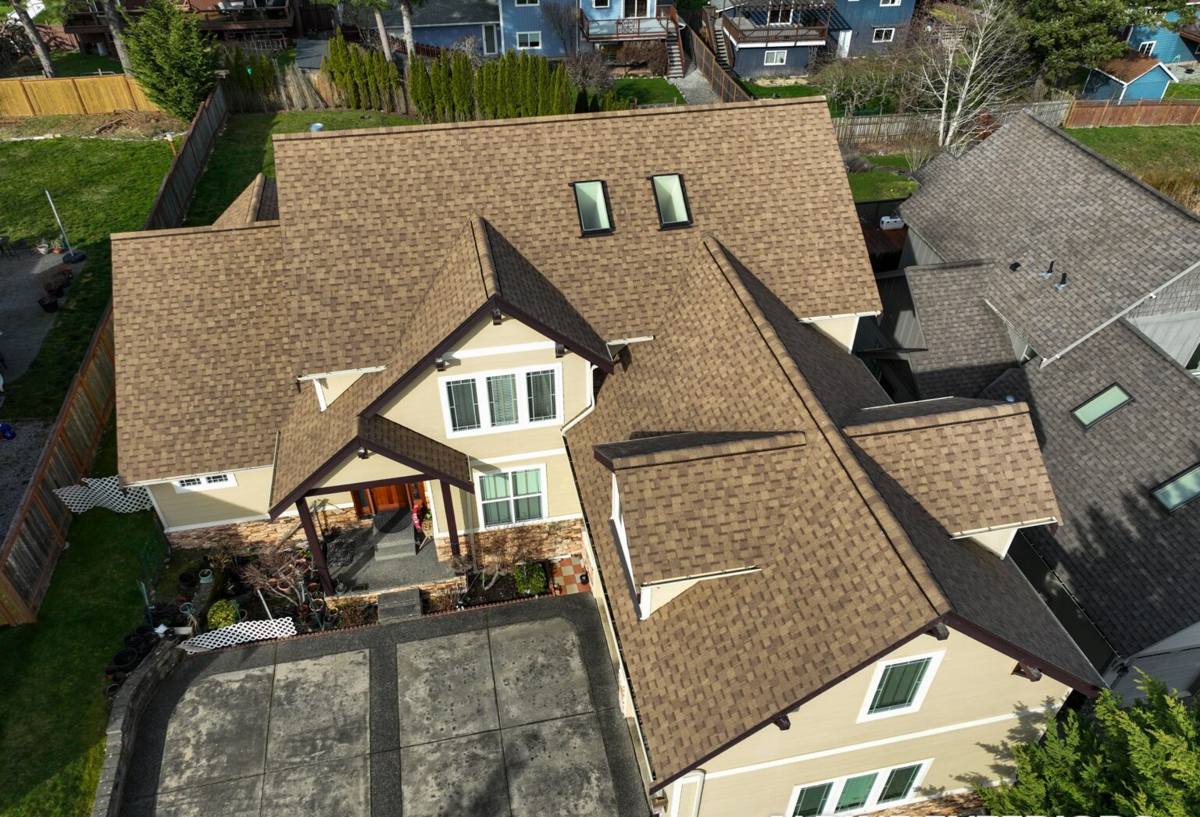
How Whatcom County Weather Wears Down Windows
Driving Rain and Wind-Driven Moisture
Rain that falls straight down is easy to shed. Rain that gets pushed sideways by wind is a different problem — it finds every gap, seam, and weak point in a window opening and pushes water behind the trim instead of past it. Over a normal Whatcom County winter, a window gets tested by this kind of weather dozens of times. If the flashing and sealing weren't done right at install, that water eventually works its way into the wall framing, and by the time it shows up as a stain or soft spot on the interior, the damage has usually been happening for a while.
Salt Air and Metal Fatigue
Homes closer to the water deal with salt-laden air that accelerates corrosion on window hardware — hinges, locks, and metal fasteners in particular. Salt air doesn't ruin a window overnight, but it shortens the working life of anything metal that isn't rated for coastal exposure, and it can pit or discolor aluminum components faster than homeowners expect.
The Long Moss and Damp Season
Whatcom County's damp season runs long, and moss doesn't just grow on roofs — it takes hold in window sills, tracks, and any spot where wood stays wet without drying out. Constant dampness around a window opening is what causes rot in the surrounding framing and trim, and it's often the real reason a window starts sticking, letting in drafts, or looking discolored well before the glass or sash itself has failed.
What a Correct Window Installation Actually Involves
Window installation looks simple from the outside — pull the old one, set the new one, caulk around the edges. Done that way, it will fail. A correct installation is really about managing water, not just fitting a window into a hole.
Removing the Old Unit Without Damaging the Opening
The old window and its trim come out carefully so we can see the actual condition of the framing underneath. This is often the first time in years anyone has had eyes on that wood, and it's where hidden rot or old water damage gets found and dealt with before a new window ever goes in. Installing a new window over a rotten or wet opening just hides the problem for a while.
Flashing and Water Management
Flashing is the layer that directs any water that gets past the window itself back out instead of into the wall. It goes in a specific order — sill pan first, then side flashing, then the header — so water always drains down and out, never backward into the framing. This is the step that gets skipped or rushed on a bad installation, and it's the one that matters most in a climate with this much wind-driven rain.
Insulation and Air Sealing
The gap between the window frame and the rough opening needs to be sealed and insulated correctly — not stuffed full of fiberglass insulation, which doesn't seal against air movement, and not left with gaps that let drafts and moisture through. A proper low-expansion foam or backer rod and sealant approach keeps the opening both airtight and able to handle minor movement without cracking.
Setting and Fastening the New Window
The window has to be level, plumb, and square before it's fastened — even a small amount of racking will cause a window to bind, leak, or fail its seals early. Fasteners go where the manufacturer specifies, not wherever is convenient, because that affects both the structural hold and the warranty.
Choosing the Right Window for a Sumas Home
There isn't one "best" window material for every house — it depends on the home's style, budget, and how much upkeep the owner wants to take on. Here's how the common options compare for a home dealing with this region's climate:
| Material | How It Handles This Climate | Maintenance | General Cost Position |
|---|---|---|---|
| Vinyl | Won't rot or corrode; performs well against moisture and salt air | Low — occasional cleaning | Most affordable |
| Fiberglass | Very stable in temperature and moisture swings; strong long-term performance | Low | Mid to higher |
| Wood-Clad | Good insulating value but the wood core is vulnerable if the cladding or seals ever fail | Higher — needs attention if any moisture gets behind the cladding | Higher |
| Aluminum | Durable but conducts cold and is more prone to corrosion in salt-air exposure over time | Moderate | Mid |
For most Sumas homes, we lean toward vinyl or fiberglass because they hold up against moisture and salt air with the least ongoing maintenance. Wood-clad windows can look great and perform well too, but we're honest with homeowners that they carry more risk if the cladding or seals are ever compromised — that's a maintenance trade-off worth understanding up front, not a reason to avoid them outright if the look matters to you.
Our Process From Estimate to Final Walkthrough
- On-site assessment: We look at the existing windows, the condition of the framing where visible, and talk through what you actually need — full replacement, a few problem windows, or a whole-house upgrade.
- Straightforward estimate: You get a clear, written estimate with no pressure to decide on the spot.
- Material selection: We help you weigh options based on your home, budget, and how much upkeep you want going forward.
- Careful removal: Old units come out cleanly, and we check the opening for any hidden rot or damage before moving forward.
- Correct flashing and sealing: Every opening gets proper flashing, sealing, and insulation — this is the step that determines whether the window lasts.
- Setting and finishing: Windows are set level and square, fastened per manufacturer spec, and trimmed out to match your home.
- Final walkthrough: We check operation, seals, and finish work with you before calling the job done.
Signs It's Time to Replace Rather Than Repair
Not every window issue means full replacement, but these are the signs worth taking seriously:
- Soft or discolored wood on the sill, jamb, or surrounding trim
- Windows that stick, won't stay open, or are hard to lock
- Visible fog or moisture between panes of a double-pane window
- Drafts you can feel near the frame even when the window is closed
- Peeling paint or bubbling finish concentrated around the window opening
- Noticeable increase in heating costs with no other explanation
- Condensation forming on the interior frame during cold, damp stretches
Why Hiring a Crew That Already Works Sumas Matters
A window installer who works this specific area day in and day out knows how local homes are built, what kind of moisture and wind exposure they typically deal with, and what tends to go wrong when it's done poorly. That's not something you can fully substitute with a general contractor who occasionally does window work or a crew driving in from somewhere with a completely different climate. We're not guessing at how Whatcom County weather behaves — we see the results of both good and bad window installations around this area regularly, and we build every job to hold up against exactly that.
There's also a practical side: a local crew can respond faster if something needs a follow-up look, understands local permitting expectations, and isn't adding a long drive's worth of overhead into your estimate.
What Affects the Cost of Window Installation
| Factor | Why It Matters |
|---|---|
| Number of windows | More units means more labor and material, though per-window cost often drops slightly on larger jobs |
| Window material and size | Vinyl is generally the most affordable; larger or custom-shaped windows cost more |
| Condition of the existing opening | Hidden rot or framing damage found during removal adds repair work before the new window can go in |
| Access and story height | Second-story or hard-to-reach windows take more time and equipment |
| Trim and finish work | Matching existing interior or exterior trim adds labor beyond the window unit itself |
We don't quote a flat per-window price without seeing the actual openings, because the condition of what's underneath the old window is the biggest variable in almost every job.
If you're weighing window replacement for a Sumas home, we're happy to come take a look and give you a straightforward, no-pressure estimate — just fill out the form below.