 Ferndale Siding
 Windows Near Fairhaven Take a Different Kind of Beating
Homes near Fairhaven sit close enough to the water that the air itself works against your windows every day. Salt-laden moisture settles into aluminum tracks and steel hardware, driving rain off the Strait finds every gap in old flashing, and the long stretch of gray, damp months each year gives moss and mildew plenty of time to take hold on sills and frames. This isn't a coastal-city talking point — it's the actual weather pattern that Ferndale and the rest of Whatcom County deal with from October through May, and it's why a window that performs fine in a drier inland climate can fail early here.
Window replacement in this area isn't just about upgrading looks or shaving a few dollars off a heating bill, though both of those matter. It's about closing the specific pathways that salt air, wind-driven rain, and constant moisture use to get into your walls. A window replaced without that context in mind — wrong material, wrong flashing detail, wrong sealant — can look great for a year or two and then start failing from the inside out.
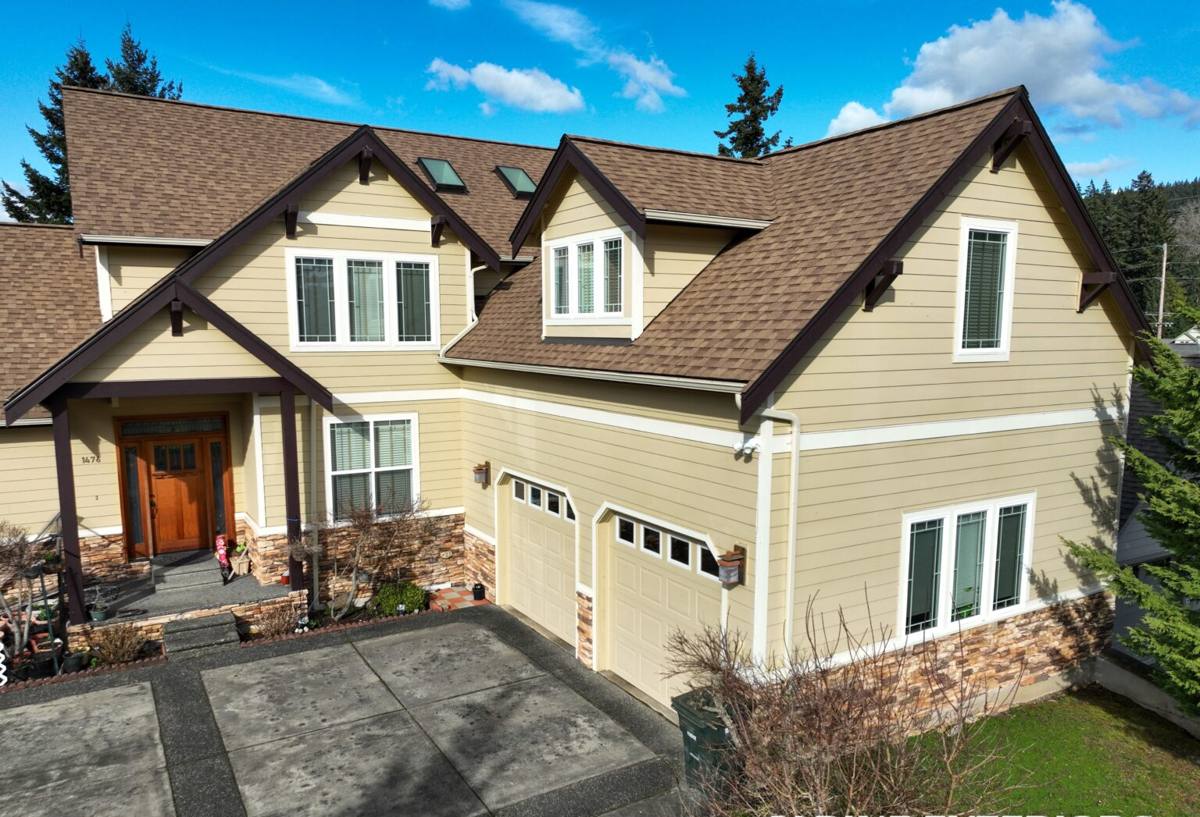
Signs Your Current Windows Are Losing the Battle
Because the damage often starts inside the wall cavity before it shows up on the surface, it helps to know what to watch for. Homeowners near Fairhaven should check for these signs at least once a year, ideally before the fall rains set in:
- Fogging or a hazy film between panes of double-pane glass — the seal has failed and moisture is getting into the gas space
- Corrosion, pitting, or a chalky white residue on aluminum frames or hardware, a classic sign of salt-air exposure
- Soft or discolored wood at the sill or lower corners, especially on walls facing prevailing weather
- Green or black growth on the frame or trim that keeps returning no matter how often it's cleaned
- Windows that stick, won't latch fully, or have visibly warped in their opening
- A draft you can feel at the frame edge even when the window is latched shut
- Rising energy bills with no other explanation, particularly during the windiest months
Any one of these on its own might just mean a repair. Two or three together, especially on a window that's original to the house or older than 15-20 years, usually means replacement is the more honest recommendation than another patch job.
What a Correct Window Replacement Actually Involves
Window replacement done right is mostly about what happens before and after the new unit goes in, not the unit itself. Anyone can set a window in an opening. The work that actually keeps water out for the next few decades happens in the details.
Removal and Opening Inspection
Once the old window is out, the opening gets inspected before anything new goes in. This is the point where hidden rot, soft framing, or old failed flashing shows up — and it's far cheaper to deal with here than to discover it years later as a wall repair. Skipping this step to save time is one of the most common shortcuts we see from past work in this area, and it's usually the reason a "new" window starts leaking within a few seasons.
Flashing and Moisture Management
This is the step that matters most in a climate like ours. Proper flashing directs any water that gets past the window itself back out and away from the framing, rather than letting it pool at the sill or track down into the wall cavity. Given how much driving rain this area sees, a window installed without correct flashing integration into the existing weather-resistive barrier is a slow leak waiting to happen, even if the window itself is a good one.
Air Sealing and Insulation
The gap between the new window frame and the rough opening needs to be sealed and insulated correctly — not stuffed with excess spray foam, which can bow the frame and cause operational problems, and not left with gaps that let air and moisture track through. This is a balance that comes from experience, not a product label.
Final Sealant and Trim
Exterior sealant is the first line of defense against wind-driven rain, and it's also the first thing that fails if it's applied over dirty, wet, or incompatible surfaces. We use sealants rated for the temperature and moisture swings typical of a Pacific Northwest coastal fall and winter, and we trim the exterior in a way that sheds water rather than collecting it.
Choosing the Right Window Material for This Climate
There's no single "best" window material for every home, but there are real trade-offs worth understanding before you decide, especially with salt air and constant moisture in the equation.
| Material | How It Handles Salt Air & Moisture | Maintenance | Typical Lifespan |
|---|---|---|---|
| Vinyl | Doesn't corrode; handles moisture well | Low — occasional cleaning | 20-30 years |
| Fiberglass | Very stable in temperature and moisture swings, holds paint well | Low to moderate | 30-40 years |
| Wood (clad exterior) | Good if the cladding is intact; bare wood struggles with constant damp | Higher — finish upkeep matters | 20-30 years with upkeep |
| Bare aluminum | Prone to pitting and corrosion in salt air over time | Moderate to high | Varies widely; often shorter here |
We're upfront with clients that bare aluminum, while durable in many climates, tends to show its age faster this close to the water — it's a maintenance and longevity trade-off, not a defect in the product itself. For most Fairhaven-area homes, vinyl or fiberglass frames end up being the lower-hassle choice specifically because they don't corrode and don't need refinishing to keep moisture out.
Glass Packages Worth Considering
Beyond frame material, the glass package matters for both comfort and durability:
- Double-pane with argon fill — a solid baseline for energy performance in our climate
- Low-E coatings — help manage heat loss during our cold, wet winters and reduce fading from summer sun
- Laminated or impact-resistant glass — worth discussing for exposed elevations that take the brunt of coastal wind
Cost Factors for Fairhaven-Area Window Replacement
Every home is different, and we don't quote sight-unseen, but the main variables that move the price up or down are consistent:
| Factor | Why It Affects Cost |
|---|---|
| Frame material | Vinyl generally costs less upfront than fiberglass or clad wood |
| Extent of hidden damage | Rotted framing or old flashing failures found during removal add repair time |
| Window size and configuration | Larger units, custom shapes, or multi-pane configurations cost more than standard sizes |
| Number of windows | Doing a full-house replacement at once is usually more cost-efficient per window than one at a time |
| Access and elevation | Second-story or hard-to-reach windows take more labor time |
Broadly, homeowners in this area should expect standard vinyl replacement windows to run in the low-to-mid hundreds per window installed, with fiberglass, larger units, or units requiring structural repair running higher. We'll always give you the specific number for your home in writing before any work starts — there's no reason to guess when we can measure and inspect first.
How Our Process Works
- Free on-site estimate — we walk the exterior and interior of each window, check for existing damage, and talk through material options based on that window's exposure to wind and rain.
- Written proposal — a clear breakdown of materials, scope, and price, with no vague allowances.
- Scheduling around the weather — we plan installation days with an eye on the forecast, since an open wall cavity and driving rain don't mix.
- Removal and inspection — old windows come out, framing gets checked, and any surprises are discussed with you before we proceed.
- Installation, flashing, and sealing — done to the standard described above, not the fastest standard.
- Walkthrough and cleanup — we test operation on every window and clean up the site before we call the job done.
Why a Crew That Already Works This Area Matters
Window replacement isn't a one-size-fits-all trade. A contractor who mostly works drier, inland areas may not think twice about flashing details or frame material choices that matter enormously a few miles from the water. Working regularly around Ferndale and the surrounding Whatcom County coastline means we've seen firsthand which details actually hold up against salt air and driving rain over years, not just through one dry summer install.
That local familiarity also means fewer surprises during the estimate. We know what moss and moisture damage tends to look like on homes with this kind of coastal exposure, and we know which flashing and sealing approaches actually stand up to a real Whatcom County winter rather than just a mild one.
Keeping New Windows Performing for the Long Run
A correct installation does most of the work, but a little homeowner maintenance extends the life of any window in this climate:
- Rinse frames and tracks periodically to clear salt residue before it accumulates
- Clear moss and debris from sills and nearby gutters so water has somewhere to go
- Check exterior sealant lines yearly for cracking or separation, especially after a hard winter
- Operate each window a few times a season so tracks and hardware don't seize up
- Address any new drafts or sticking promptly rather than waiting for the next problem to pile on
None of this replaces a correct install, but it does protect the investment once the work is done.
If your windows near Fairhaven are showing their age — or you just want an honest read on whether repair or replacement makes more sense for your home — we're happy to take a look. Use the form below to request a free, no-pressure estimate, and we'll walk the windows with you and lay out real options and real numbers.