 Ferndale Siding
 Roofing in Custer Isn't the Same Job as Roofing Inland
Custer sits close to the water, out past Ferndale toward Birch Bay and the Strait of Georgia, and that location shapes what a roof has to put up with here. Homes in this part of Whatcom County deal with a combination most inland roofers rarely see day to day: salt-laden air moving in off the water, long stretches of driving rain pushed by coastal wind, and shaded, moisture-heavy conditions that keep moss and algae growing for most of the year. None of these things alone would be unusual. Together, over years, they wear down roofing materials and fasteners faster than a spec sheet written for a dry climate would suggest.
A roof replacement in Custer needs to be planned around that reality, not just installed to code and left alone. That means paying attention to fastener corrosion resistance, flashing details at every penetration, ventilation that actually clears moisture instead of trapping it, and a material choice that's honest about how it will age in salt air and shade. This page walks through what that looks like in practice.
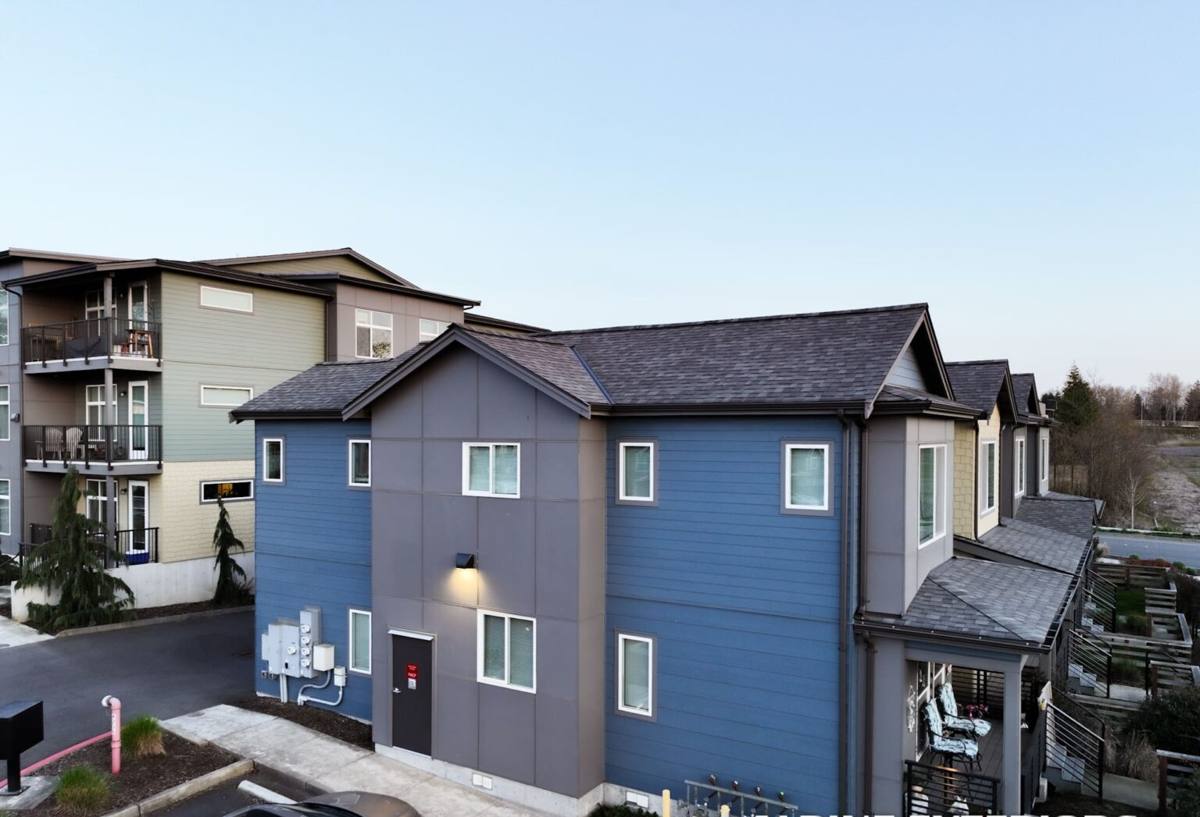
What Salt Air, Rain, and Moss Actually Do to a Roof
Salt Air and Metal Fatigue
Airborne salt accelerates corrosion on any exposed metal - nail heads, flashing seams, drip edge, gutter fasteners, even the coating on some metal roofing panels if it wasn't rated for a marine-influenced environment. On a roof close to the water, corrosion usually shows up first at flashing joints and exposed fastener heads, well before the shingles themselves look worn out. A roof built for an inland subdivision and simply installed in Custer without adjustment can develop these problems years ahead of schedule.
Driving Rain and Wind-Driven Water
Rain that comes in sideways off the water doesn't behave like rain falling straight down. It gets pushed up under shingle tabs, into valleys, and around flashing that would be perfectly adequate in a calmer wind pattern. Underlayment quality and lap direction, valley design, and flashing overlap all matter more here than they would on a sheltered inland roof.
A Long Moss Season
Shade, humidity, and mild temperatures give moss and algae a long growing window on Whatcom County roofs, and Custer's tree cover and coastal moisture only extend it. Moss doesn't just look bad - it holds water against the roofing surface, works its way under shingle edges, and lifts tabs enough for wind-driven rain to get underneath. A roof replacement is the right time to address the conditions that let moss take hold in the first place, not just to install new shingles on top of the same problem.
Signs a Custer Home Needs Replacement, Not Another Repair
Not every roofing problem calls for a full tear-off. But there's a point where patching stops making financial sense and starts masking a bigger issue underneath. Some signs worth taking seriously:
- Granule loss heavy enough that you're finding shingle grit in the gutters regularly
- Shingles that are curling, cupping, or losing their seal at the tabs
- Moss or algae that keeps coming back within a season or two of cleaning
- Soft spots in the decking, or staining on interior ceilings near exterior walls
- Flashing that's visibly corroded or pulling away at chimneys, vents, or valleys
- A roof past 20-25 years old for asphalt, even if it "looks fine" from the ground
If a roof is showing two or three of these at once, a repair is often just delaying a decision the roof deck itself has already made. Once decking has taken on moisture from repeated small leaks, replacement is the only way to know what's actually happening underneath the shingles.
What a Correct Roof Replacement Actually Involves
A roof replacement is more than swapping old shingles for new ones. Done right, especially in a coastal-influenced climate like Custer's, it includes:
Full Tear-Off and Deck Inspection
Old roofing comes off completely so the decking can be checked for soft spots, rot, or delamination. Any damaged sheathing gets replaced before anything new goes down - covering a compromised deck with new shingles just hides the problem for a few more years.
Underlayment Built for Wind-Driven Rain
Synthetic underlayment with proper lap and fastening patterns holds up better against the kind of driving rain Custer gets than older felt products, and it resists the freeze-thaw and moisture cycling that felt tends to degrade under.
Ice-and-Water Protection at Vulnerable Points
Valleys, eaves, and roof-to-wall transitions get self-adhering waterproof membrane, not just underlayment, because these are the spots where wind-driven rain finds its way in first.
Flashing That's Actually Replaced, Not Reused
Flashing around chimneys, vents, skylights, and sidewalls should be replaced during a full re-roof, not caulked and reinstalled. In a salt-air environment, old flashing is often more corroded than it looks, and it's the single most common source of leaks on an otherwise sound roof.
Ventilation That Matches the Home
Balanced intake and exhaust ventilation keeps moisture from building up in the attic, which matters as much for controlling condensation and mold as it does for shingle life. A roof can be installed perfectly and still fail early if the attic underneath it can't breathe.
Choosing a Roofing Material for Custer's Conditions
There's no single "best" roofing material for every home - it depends on budget, roof pitch, home style, and how much long-term maintenance an owner wants to take on. Here's how the common options actually compare for a coastal Whatcom County property:
| Material | Salt Air / Corrosion | Moss Resistance | Typical Lifespan Here | Maintenance |
|---|---|---|---|---|
| Architectural asphalt shingles | Good with corrosion-resistant fasteners | Moderate - benefits from algae-resistant granules | 20-30 years | Periodic moss/debris removal |
| Standing seam metal | Excellent with marine-grade coatings and fasteners | Very good - sheds moisture quickly | 40-50+ years | Low, but coating/fastener spec matters |
| Cedar shake | Fair - hardware needs to be corrosion-resistant | Poor without diligent upkeep | 20-25 years with upkeep | High - regular treatment and cleaning |
| Composite/synthetic shake | Good | Good | 30-50 years | Low to moderate |
We install a range of these depending on the home and budget, but we're upfront when a material choice will create more upkeep than a homeowner is expecting. Cedar shake, for example, looks great and has a real place in this region's building style, but it needs consistent maintenance to hold up against the moss and moisture Custer sees - that's a maintenance conversation we have honestly, not a sales pitch either direction.
Our Roof Replacement Process
- On-site assessment - we look at the existing roof, decking condition where accessible, attic ventilation, and any problem areas you've noticed from inside the house.
- Written estimate - covering material options, scope of work, and a clear cost breakdown, so there's no ambiguity about what's included.
- Scheduling around weather - we plan tear-off in windows that minimize the number of days your home is exposed, which matters more here than in drier climates.
- Tear-off and deck repair - full removal of old roofing, with any damaged sheathing replaced and documented before we move forward.
- Underlayment, flashing, and material installation - installed to manufacturer spec, with extra attention to valleys, penetrations, and wall transitions.
- Final walkthrough - we go over the finished roof with you, including gutters, ventilation, and any cleanup, before calling the job done.
Ventilation and Moisture Control Matter as Much as the Shingles
It's easy to focus entirely on the roofing material during a replacement and overlook what's happening underneath it. In a climate with this much ambient moisture, attic ventilation is doing real work - pulling humid air out before it condenses on the underside of the decking, and keeping temperatures more even so ice and snow (when it does happen) don't create dam conditions at the eaves. We check existing ventilation as part of every replacement estimate and will flag it if intake or exhaust venting is undersized or blocked, because installing new shingles over a poorly ventilated attic just moves the moisture problem, it doesn't solve it.
What Roof Replacement Costs Depend On
We won't quote a number without seeing the roof, but the main variables that move the price are consistent from job to job:
| Factor | Why It Matters |
|---|---|
| Roof size and pitch | Steeper, larger roofs take more material, labor, and safety setup |
| Number of layers to remove | Tear-off cost rises with each existing layer of roofing |
| Decking condition | Rotted or soft sheathing needs replacement before new roofing goes down |
| Material choice | Asphalt, metal, and cedar carry very different material and labor costs |
| Roof complexity | Valleys, dormers, skylights, and multiple penetrations add flashing labor |
| Access and site conditions | Tree cover, steep lots, and limited staging space affect crew time |
Broadly, a straightforward asphalt shingle replacement on an average Custer-area home runs in the range most Whatcom County homeowners expect for quality architectural shingles, with metal roofing landing meaningfully higher up front in exchange for a much longer service life. We'll break down exactly where your estimate's cost is coming from, not just hand you a total.
Why It Matters That We Already Work in Custer
A crew that regularly works this stretch of Whatcom County already knows which flashing details fail first in salt air, which roof lines in this area tend to collect standing moss, and how to schedule tear-off around the rain patterns that come off the water. That's not something you can fully substitute with general roofing experience from a drier or more inland market. It also means we're a known, reachable local business if a question comes up after the job is done - not a crew that drove in from out of the area for one project.
Before You Hire, It's Worth Checking
- Current WA state contractor license and liability/workers' comp coverage
- A written estimate that breaks down materials, labor, and scope - not just a lump sum
- Manufacturer certification for the specific shingle or metal system being installed
- A clear plan for tear-off timing and weather contingencies
- Straight answers about ventilation, flashing, and decking - not just shingle brand talk
If your roof is showing its age or you're just trying to plan ahead before the next wet season sets in, we're happy to come take a look. A free, no-pressure estimate is the easiest way to find out what shape your roof is really in and what a correct replacement would involve for your home - use the form below to get started.