 Ferndale Siding
 Building Decks That Hold Up in Fairhaven
Fairhaven sits close enough to Bellingham Bay that its weather behaves differently than decks built a few miles inland in Ferndale or elsewhere in Whatcom County. Salt-laden air off the water, long stretches of driving rain, and a moss season that can run from fall through spring all put extra stress on outdoor structures. A deck built with the same materials and details you'd use in a drier inland climate will show its age faster here — soft spots, corroded fasteners, slick moss growth, and finishes that fail years ahead of schedule. Building correctly for this specific environment isn't an upgrade, it's the baseline.
This page covers what a Fairhaven deck actually needs to hold up, what a correct build involves from the framing out, and how our process is built around the realities of this exact location rather than a generic checklist.
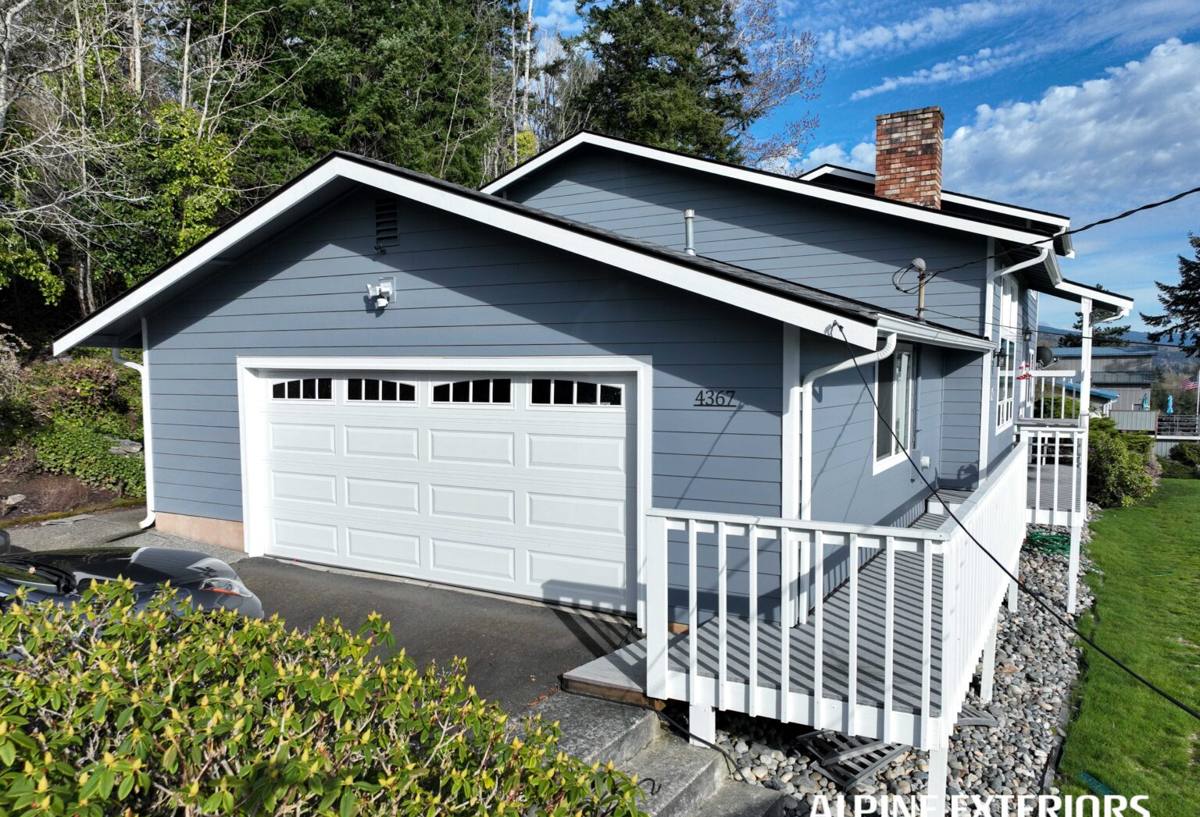
What the Marine Climate Actually Does to a Deck
Salt Air and Corrosion
Proximity to Bellingham Bay means airborne salt settles on exposed metal — fasteners, joist hangers, railing brackets, and any hardware left uncovered. Standard construction-grade screws and connectors that would last decades in a dry inland yard can start pitting and staining within a few seasons this close to the water. Once a fastener corrodes, it loses holding strength long before it looks obviously bad, which is part of why deck hardware failures often catch homeowners by surprise.
Driving Rain and Trapped Moisture
Whatcom County rain doesn't always fall straight down. Wind off the water pushes it sideways into ledger boards, under railing caps, and into any gap where end grain is exposed. Wood decking and framing don't rot because they get wet — they rot because they stay wet. A deck with poor drainage, tight board spacing, or a ledger attached without proper flashing will trap water against the house or against the framing, and that's where structural problems start.
Moss, Algae, and Slip Risk
The long moss season here isn't just cosmetic. Moss and algae hold moisture against the decking surface, accelerate wood breakdown underneath, and turn stair treads and walking surfaces genuinely slippery — a real safety issue on a deck with any elevation change. Shaded decks under trees or on the north side of a house are especially prone to it, and the wrong board profile or spacing can make it worse.
Choosing the Right Decking Material
There's no single "best" decking material — the right choice depends on how much maintenance a homeowner wants to do, budget, and how exposed the deck is to shade, rain, and salt air. Here's an honest comparison of the main options we work with for this area:
| Material | Moisture & Moss Resistance | Maintenance | Typical Lifespan |
|---|---|---|---|
| Pressure-treated pine/fir | Good if sealed regularly; end grain and cut edges need extra attention | Annual cleaning and re-sealing recommended | 15–20 years with upkeep |
| Cedar | Naturally rot- and insect-resistant, but surface still needs cleaning to prevent moss | Periodic cleaning and oiling to maintain color and protection | 15–25 years with upkeep |
| Composite decking | Very good — doesn't absorb water or rot, though surface algae can still grow if not cleaned | Low — occasional washing, no sealing or staining | 25–30+ years |
| PVC/capped polymer decking | Excellent — fully moisture-sealed surface | Lowest — soap and water cleaning only | 25–30+ years |
We won't push composite or PVC on every homeowner — some people want the look and feel of real wood and are willing to keep up with it. What we won't do is install a wood species or grade that isn't suited to this level of moisture exposure just to save money up front, because the maintenance burden and shortened lifespan end up costing more later.
Framing, Fasteners, and the Parts Nobody Sees
The structural framing underneath a deck matters more than the decking boards on top, and it's the part most likely to be shortcut on a lower-quality build. For this climate, that means:
- Stainless steel or heavy hot-dip galvanized fasteners and joist hangers — not standard zinc-coated hardware, which corrodes noticeably faster in salt-influenced air
- Joist tape or a moisture barrier on top of framing lumber to keep water from sitting in the screw holes and seams where deck boards attach
- Proper joist spacing and blocking sized to the decking material chosen, since composite and PVC boards often have different span requirements than solid wood
- Ventilation underneath the deck so air can move and framing can dry out between rain events instead of staying damp
None of this is visible once the deck is finished, which is exactly why it's worth asking a contractor about before work starts rather than after problems show up.
Ledger Attachment and Keeping Water Out of the House
Where a deck attaches to the house is the single most common source of long-term water damage, and it's a detail that's easy to get wrong. A correct ledger attachment includes proper flashing that directs water away from the house wall rather than behind it, along with a small gap or flashing detail that keeps the ledger board itself from sitting flush against damp siding. Given how much driving rain this area sees, we treat the ledger connection as one of the most important parts of the entire build — not just a structural attachment point, but the place most likely to cause hidden rot in the wall framing if it's done wrong.
Railings, Stairs, and Finish Details
Railings and stair components take some of the worst weather exposure on a deck because they're vertical, fully exposed, and handled directly. For this environment we pay particular attention to:
Railing Hardware
Post connections and baluster fasteners see the same salt-air corrosion risk as framing hardware, so the same standard applies — corrosion-resistant hardware throughout, not just on the parts that are easiest to reach.
Stair Tread Surfaces
Because moss and algae make painted or smooth surfaces slick, stair treads benefit from decking profiles with better grip texture, and in some cases anti-slip strips on the nosing, especially on stairs that sit in shade for part of the day.
Fascia and Skirting
Fascia boards and skirting close off the underside of the deck but also trap moisture if they're installed without any airflow. We detail these so the deck looks finished without sealing in the damp conditions that speed up rot.
Our Deck Building Process
Every deck project we take on in the Fairhaven area follows the same basic sequence, adjusted for the specific site:
- On-site assessment — we look at sun/shade exposure, drainage slope, proximity to trees, and the existing structure the deck will attach to
- Material and layout discussion — an honest conversation about wood versus composite/PVC, budget, and maintenance expectations, with no pressure toward the more expensive option
- Permitting — most deck projects attached to a house, or above a certain height, require a permit through the local building department; we handle that paperwork rather than leaving it to the homeowner
- Framing — ledger flashing, joist layout, hardware, and moisture barriers installed to the standard described above
- Decking, railing, and stair installation — including fastener spacing appropriate to the material, which affects both appearance and long-term drainage between boards
- Final walkthrough — we go over basic care and what to watch for in the first year, particularly around moss season
Keeping a Fairhaven Deck in Good Shape
A well-built deck in this climate still needs some seasonal attention. This isn't a maintenance contract pitch — it's a realistic checklist of what actually keeps a deck sound here:
- Sweep debris and standing leaves off the deck surface regularly, especially in fall, since trapped organic matter holds moisture and feeds moss growth
- Clean the deck surface at least once a year (more often in shaded areas) to remove moss and algae before it gets a foothold
- Check railing posts and stair connections annually for any looseness, which can signal early hardware corrosion
- Keep gutters and downspouts near the deck clear so roof runoff isn't dumping extra water onto or under the structure
- Re-seal or re-stain wood decking on the schedule appropriate to the product — don't wait until it visibly needs it, since damage starts before it's visible
- Confirm underdeck ventilation isn't blocked by stored items, landscaping, or added skirting
Why Local Experience Matters for This Job
A deck built to a generic national spec sheet isn't necessarily built for Fairhaven. Crews who haven't worked this specific stretch of Whatcom County waterfront often underestimate how much the salt air and rain exposure change hardware and drainage decisions, and that shows up in problems five or ten years down the road rather than on day one. Working regularly in this area means we've seen which details actually matter here versus which ones are optional inland, and we build to the level this climate requires as a matter of standard practice, not as an upsell.
If you're planning a new deck or replacing one that's showing its age, we're happy to take a look and talk through honest options for your specific site — no pressure, no inflated claims, just a straightforward assessment. Request a free estimate using the form below and we'll go from there.