 Ferndale Siding
 Building New in Marietta: Windows Deserve the Same Attention as the Foundation
Marietta sits low and close to the water on the edge of Ferndale, and that location shapes everything about how a new home should be built here. Homes going up in this part of Whatcom County face salt-laden air off the bay, long stretches of driving rain through fall and winter, and a moss season that can run most of the year on shaded roof and wall surfaces. New-construction window installation is one of the few places in a build where the mistakes are invisible for years and then show up all at once as rot, leaks, or failed seals. Getting it right the first time matters more here than in drier inland areas.
When we install windows on new builds in Marietta, we're not just setting units into rough openings and caulking the edges. We're building a water-management system into the wall assembly that has to perform for decades against a coastal climate that doesn't give a house much of a break.
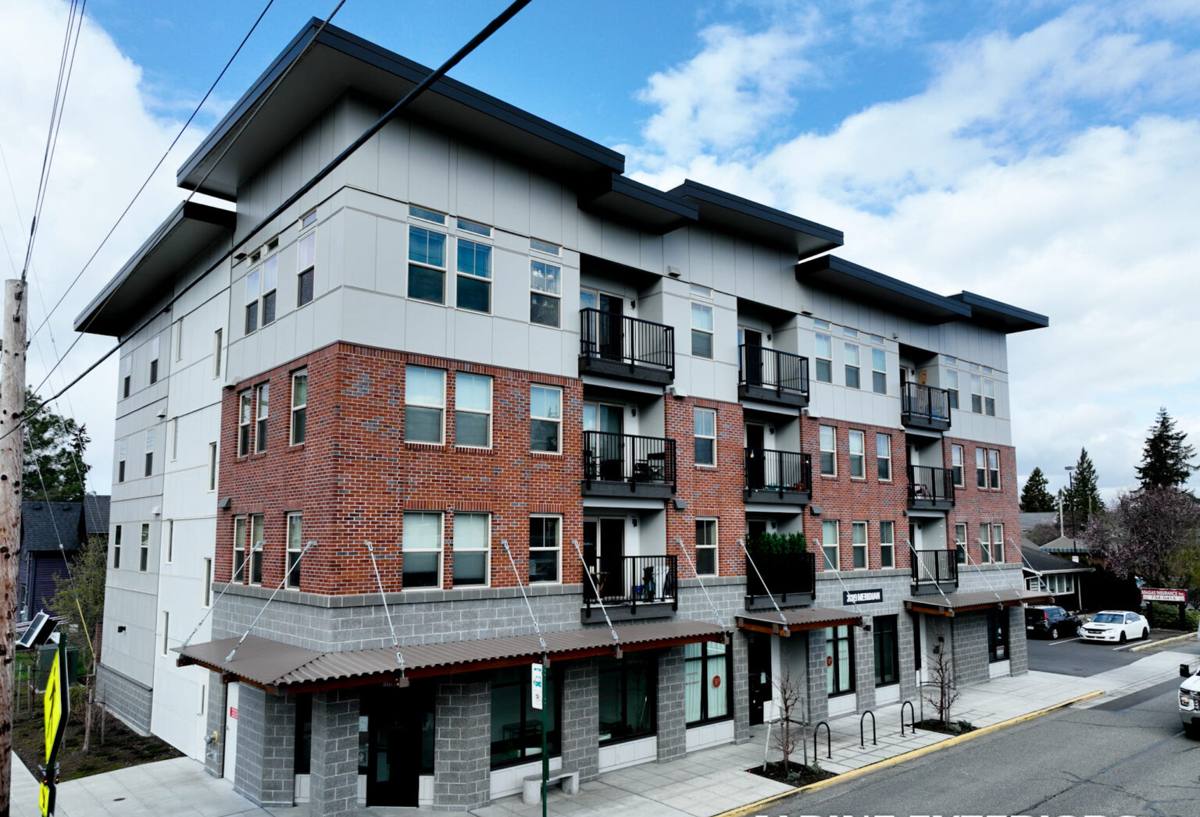
What the Local Climate Actually Does to New Windows
Salt Air and Metal Components
Proximity to Bellingham Bay means airborne salt is a real factor for anything metal on the exterior of a house — window flashing, fasteners, screen frames, and hardware. Lower-grade fasteners and flashing metals corrode faster in this environment, and once corrosion starts around a window opening, it compromises the water seal long before it's visible from inside. We spec corrosion-resistant flashing and fastener materials specifically because of where Marietta sits, not as a generic upsell.
Driving Rain and Wind-Driven Wetting
Rain in this area doesn't just fall straight down — wind off the water pushes it sideways into wall assemblies, which puts real pressure on window sills and the top of the opening where water wants to collect. A window that's watertight in a still, dry climate can still leak here if the sill pan, flashing laps, and sealant details aren't done in the correct order and direction. Sequence matters as much as materials.
Moss, Shade, and Slow-Drying Wood
Many lots in and around Marietta have mature tree cover or sit close enough to the water that surfaces stay damp longer between storms. Moss doesn't just grow on roofs — it takes hold on north-facing trim and siding around windows that don't get enough sun or airflow to dry out. Wood trim and sills in these shaded, damp conditions need either a durable low-maintenance material or a finish and detailing approach that sheds water fast and doesn't trap moisture against the window frame.
What Correct New-Construction Window Installation Involves
On a new build, the window installer is working with an open, unfinished wall — which is an advantage, because it means every layer can be built in the right order instead of retrofitted around existing siding. A correct installation includes:
- A sloped sill pan at every rough opening so any water that gets past the window drains back out, not into the wall
- Weather-resistant barrier (house wrap) integrated with the window flanges using proper shingle-lap sequencing — top over sides, sides over sill
- Corrosion-resistant flashing tape and metal head flashing sized for the wall assembly, not just whatever ships in a generic kit
- Correct fastener type and spacing per the window manufacturer's installation instructions — this affects both structural performance and warranty validity
- Shimming that keeps the window frame square and unstressed, since a racked frame binds hardware and can crack seals over time
- Interior and exterior sealant at the correct joints only — sealing every gap is actually wrong, because windows need a way to drain and pressure-equalize
Skipping or reordering any of these steps is how "new" windows end up with rot or leaks inside five to ten years — well before the glass or hardware would normally show wear.
Nail-Fin vs. Block-Frame Windows
Most new construction in this area uses nail-fin (flange) windows, which attach directly to the framing and get integrated with the WRB and flashing before siding goes on. Some builds, especially those with masonry or specific architectural details, use block-frame windows that sit differently in the rough opening and need a different flashing approach. We confirm which type is specified early in the build so the rough openings, WRB sequencing, and flashing details are planned correctly rather than adjusted on the fly.
Choosing Window Materials and Glazing for This Climate
| Factor | What to Look For in Marietta/Ferndale | Why It Matters Here |
|---|---|---|
| Frame material | Vinyl, fiberglass, or clad-wood with corrosion-resistant hardware | Resists salt air exposure without frequent refinishing |
| Glazing | Dual-pane, low-E coating, argon fill | Manages heat loss and condensation in a cool, damp climate |
| Sill design | Sloped sill with integral drainage path | Sheds wind-driven rain before it can pool |
| Trim/casing | Composite or properly back-primed wood with drip cap detailing | Slower to hold moisture in shaded, moss-prone areas |
| Screens and hardware | Stainless or coated fasteners and frames | Prevents premature corrosion from salt air |
None of these are exotic upgrades — they're standard-grade choices that happen to matter more in a coastal Whatcom County build than they would fifty miles inland. We'll walk through the actual product options and price differences for your specific build during the estimate rather than push a one-size-fits-all package.
How Our Process Works on a New Build
We work with builders, GCs, and owner-builders throughout Ferndale and the surrounding area, and our process is built around fitting into a construction schedule without becoming the bottleneck:
- Plan review and takeoff — we review window schedules and rough opening sizes before framing is final, so any conflicts get caught early.
- Rough opening verification — we check openings for square, level, and correct size before install day, since framing tolerances vary crew to crew.
- Sill pan and flashing installation — done in the correct sequence with the WRB, before windows go in, not patched around them afterward.
- Window setting and fastening — shimmed, squared, and fastened per manufacturer specs to keep the warranty intact.
- Exterior integration — flashing tied into house wrap and ready for siding trades to lap over correctly.
- Final inspection — every opening checked for operation, seal, and drainage before we sign off.
Because we're doing new-construction work, not retrofit, there's no old caulk or rotted trim to work around — but that also means there's no room for shortcuts, since every layer we install becomes the foundation for the siding, trim, and paint work that follows.
Why a Crew That Already Works Marietta Makes a Difference
A lot of window problems on new builds in this area don't come from bad windows — they come from installation details that work fine in a drier, calmer climate but fail against sideways rain and salt air. A crew that hasn't worked coastal Whatcom County jobs may not default to a sloped sill pan, may under-spec the flashing metal, or may not think about airflow around trim in a shaded, moss-prone yard. We've built our sequencing and material choices around what actually happens to a house in this specific environment, not a generic national standard.
We also know how new-construction schedules run in this area — coordinating with framers, siding crews, and painters so windows go in at the right point and don't hold up the rest of the build. That local coordination is worth as much as the installation technique itself.
Common Questions Builders and Owners Ask Us
Do new-construction windows need extra protection in Marietta specifically?
Not extra as in add-ons — but the standard details (sloped sills, corrosion-resistant hardware, correct flashing laps) need to be treated as non-negotiable rather than optional upgrades, because this location doesn't forgive shortcuts the way a more sheltered inland lot might.
Can window installation happen in the rain?
We can work through light, intermittent weather with proper opening protection, but we won't install windows during sustained heavy rain or wind, since it compromises the flashing and sealant work at exactly the point where it needs to be done right. We coordinate around weather windows as part of scheduling.
What to Ask Before Hiring Anyone for This Work
If you're a builder or homeowner vetting a contractor for new-construction window installation in this area, a few questions separate a careful crew from a fast one:
- Do you install a sloped sill pan on every opening, or only when specified?
- What flashing tape and metal do you use, and is it rated for coastal/salt-air exposure?
- Will you follow the window manufacturer's fastening and sealing instructions exactly, to keep the warranty valid?
- How do you sequence flashing with the house wrap and siding trades?
- Can you provide a written scope so it's clear what's included in the install versus what's left to other trades?
A contractor who answers these clearly and specifically — without vague reassurances — is one who's actually thought through what this climate does to a building.
If you're planning new construction in Marietta or elsewhere around Ferndale, we're happy to walk the plans, talk through window options, and give you a straightforward, no-pressure estimate for the window package on your build. Use the form below to get started.