 Ferndale Siding
 Roof Replacement for a Neighborhood That Sits Close to the Water
Fairhaven's location near Bellingham Bay puts real demands on a roof that a lot of manufacturer specs and generic installation guides don't account for. Salt-tinged marine air, rain that arrives sideways more often than straight down, and a moss season that can run most of the year on shaded, tree-covered lots all work on a roof continuously, not just during the occasional big storm. We work throughout Whatcom County, and Fairhaven is one of the areas where we see that climate stress show up earliest, especially on roofs that were installed with standard underlayment, minimal ventilation detailing, or flashing that was adequate for a drier region but not for this one.
A roof replacement here isn't just a matter of stripping old shingles and laying new ones. It's a chance to correct the ventilation, flashing, and moisture-management details that determine whether the new roof actually lasts its rated lifespan in this specific climate, or starts showing problems five or ten years ahead of schedule.
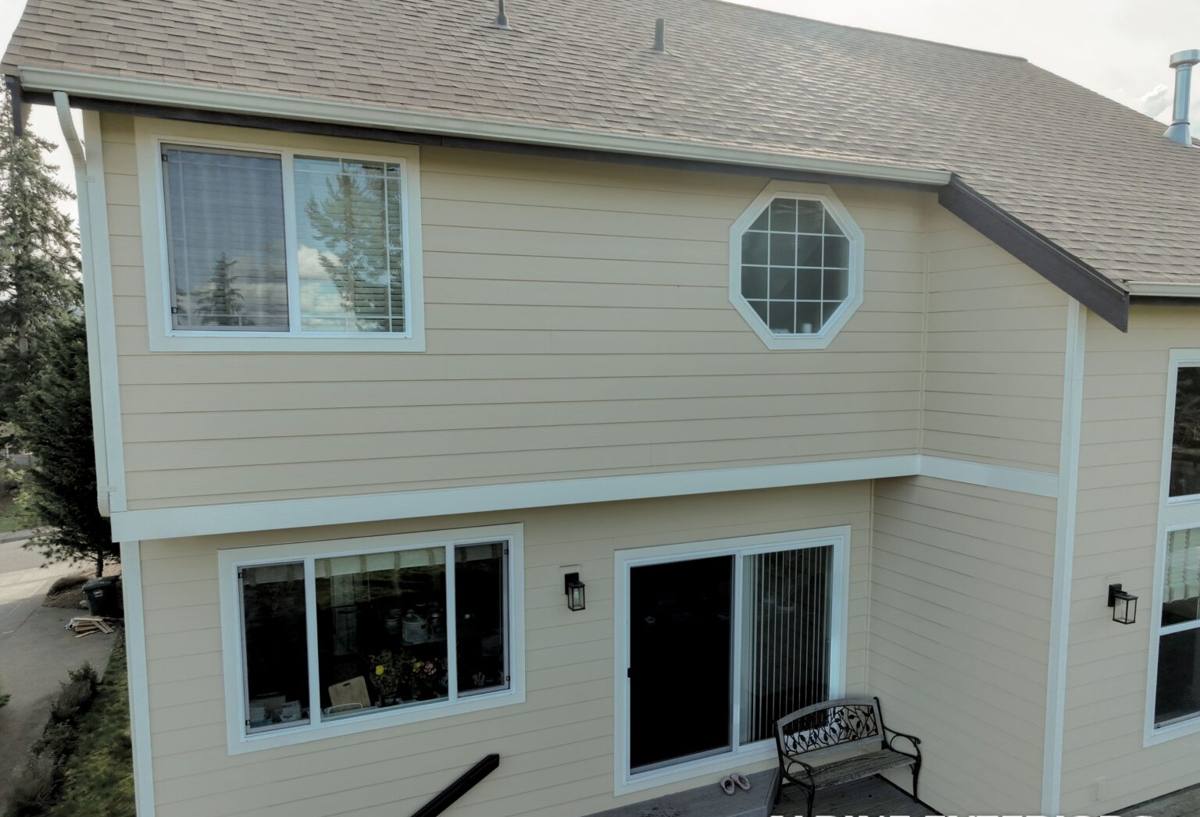
What Fairhaven's Climate Actually Does to a Roof
Wind-Driven Rain at Valleys, Flashing, and Penetrations
Open water nearby means wind pushes rain into places a calmer climate's roofing details were never really tested against. Valleys, chimney flashing, pipe boots, and skylight curbs are the spots that take the brunt of it. A roof that would hold up fine forty miles inland can still leak here specifically because wind-driven rain finds its way under a flashing lap or around a penetration that a straight-down rain would never reach.
A Long Moss and Mildew Season
Mild temperatures, sustained dampness, and Fairhaven's mature tree canopy add up to extended moss growth, particularly on north-facing roof slopes and anywhere shade keeps shingles from drying out between rain events. Moss doesn't just look bad. It lifts shingle edges as it grows, holds moisture directly against the roofing material, and accelerates granule loss on asphalt shingles well ahead of their expected service life.
Salt Air and Fastener Corrosion
Homes closer to the bay deal with a steady drift of mildly corrosive, moisture-laden air. Over years, that works on exposed fasteners, flashing metal, and lower-grade hardware. It's a slow process that's rarely visible from the ground, and it usually shows up first as rust streaking below a flashing joint or a fastener that's backed out and let water in.
Ventilation Demands in a Consistently Damp Climate
Attic ventilation matters everywhere, but it matters more in a climate that stays damp this much of the year. Poor intake or exhaust ventilation traps moisture in the attic space, which can condense on the underside of the roof deck and cause rot, mold, and premature failure of the decking itself, independent of how good the shingles on top are.
Hillside Drainage
A fair amount of Fairhaven sits on sloped terrain rising from the waterfront. That affects how water sheets off a roof and where it discharges at the eaves, which in turn affects gutter sizing, downspout placement, and how much splashback and standing water a foundation or crawlspace deals with during heavy rain. Roof replacement is a natural point to correct drainage issues that have been quietly contributing to bigger problems elsewhere on the house.
What a Correct Roof Replacement Involves Here
Materials matter, but installation detail is what actually determines whether a new roof performs in this climate. A correct replacement in Fairhaven typically includes:
- Full tear-off, not an overlay: Roofing over an existing layer traps whatever moisture damage is already in the deck and voids most manufacturer warranties. A full tear-off lets us actually see the decking and catch rot before it's covered over again.
- Deck inspection and repair: Any soft, delaminated, or water-damaged sheathing gets replaced before new underlayment goes down. Skipping this step is one of the most common reasons a new roof fails early.
- Ice-and-water shield at vulnerable zones: Valleys, eaves, and penetrations get self-adhered waterproof membrane, not just standard felt or synthetic underlayment, because those are the spots wind-driven rain actually finds a way in.
- Balanced intake and exhaust ventilation: Ridge venting paired with adequate soffit intake keeps the attic dry and reduces the freeze-thaw and moisture-cycling stress on the deck from underneath.
- Corrosion-resistant flashing and fasteners: Given the salt air, we spec metal and fasteners rated for coastal exposure rather than standard-grade hardware that's fine inland but marginal here.
- Proper valley and step flashing integration: These get woven and sealed as one continuous water-management system, not treated as an afterthought once the field shingles are down.
Roofing Material Options for a Marine Climate
There isn't one correct roofing material for every Fairhaven home. The right choice depends on the roof's pitch, the home's style, budget, and how much long-term maintenance a homeowner wants to take on. Here's how the common options actually compare in this specific climate:
| Material | Typical Lifespan Here | Moss/Moisture Behavior | Maintenance Burden |
|---|---|---|---|
| Architectural asphalt shingle | 20-30 years | Prone to moss on shaded, damp slopes without periodic cleaning | Moderate — benefits from occasional moss treatment |
| Standing seam metal | 40-60+ years | Sheds moisture fast, very moss-resistant on most slopes | Low |
| Cedar shake | 20-30 years with upkeep | Attractive but moisture-retentive; needs regular treatment in this climate | High |
| Synthetic/composite shingle | 30-50 years | Generally moss-resistant, consistent performance | Low to moderate |
Asphalt shingle remains the most common choice because of its cost and the range of style and color options, and it performs well here when the underlying details are done correctly. Metal roofing carries a higher upfront cost but sheds moss and moisture better than almost anything else, which is worth discussing for homes with heavy tree cover or north-facing slopes that stay damp longest. We'll walk through the honest trade-offs for your specific roof rather than steering you toward whatever's easiest to install.
Repair, Partial Replacement, or Full Tear-Off?
Not every roof issue on a Fairhaven home means a full replacement. Isolated storm damage, a single failed flashing detail, or a section of missing shingles can often be repaired without redoing the whole roof. But a roof approaching the end of its material lifespan, with widespread granule loss, multiple past repairs, or moisture tracking into the attic in more than one spot, is usually past the point where another patch makes sense. We'll give you a straight assessment of which situation you're actually in, including what happens if you wait another season or two.
How Our Process Works
- On-site inspection: We walk the roof, check the attic for existing moisture or ventilation problems, and look at flashing, valleys, and penetrations up close rather than estimating from the ground.
- Written scope and estimate: You get a clear breakdown of materials, tear-off scope, deck repair allowances, and flashing and ventilation details, not just a single number for "new roof."
- Scheduling around weather: Roofing in a climate this wet means timing matters. We plan around forecasted dry windows and won't leave a roof exposed longer than necessary.
- Tear-off and deck assessment: Old roofing comes off, the deck gets inspected in daylight, and any damaged sheathing is flagged and repaired before anything new goes down.
- Installation: Underlayment, ice-and-water membrane, flashing, and roofing material go on as one integrated system, with attention to the details that matter most in a marine climate.
- Final walkthrough: We go over the finished roof, ventilation, and gutter tie-ins with you before calling the job done.
What to Check Before Hiring a Roofing Contractor
- Confirm an active Washington state contractor license and current insurance
- Ask whether they do full tear-offs or will overlay an existing roof
- Ask specifically how they handle valleys, flashing, and ventilation, not just which shingle brand they carry
- Ask how deck repair is priced if rot or damage is found once tear-off starts
- Get a written scope that names underlayment type, flashing material, and ventilation approach
Why a Local Whatcom County Crew Matters for This Job
A crew that works Fairhaven and the surrounding Whatcom County waterfront regularly sees how salt air, wind-driven rain, and moss actually behave on real roofs over a full year, not just how a shingle performs on a spec sheet. That translates into practical decisions on install day: which valleys get extra membrane, which slopes need better ventilation, and which flashing details are worth the extra time so you're not dealing with a leak two winters later. Fairhaven's hillside terrain and closeness to the bay aren't identical to conditions elsewhere in the county, and a crew with real local experience accounts for that instead of applying a one-size-fits-all install.
If your Fairhaven roof is aging, showing moss, or you just want an honest opinion on whether repair or replacement makes more sense, we're glad to take a look. Reach out using the form below to schedule a free, no-pressure estimate.